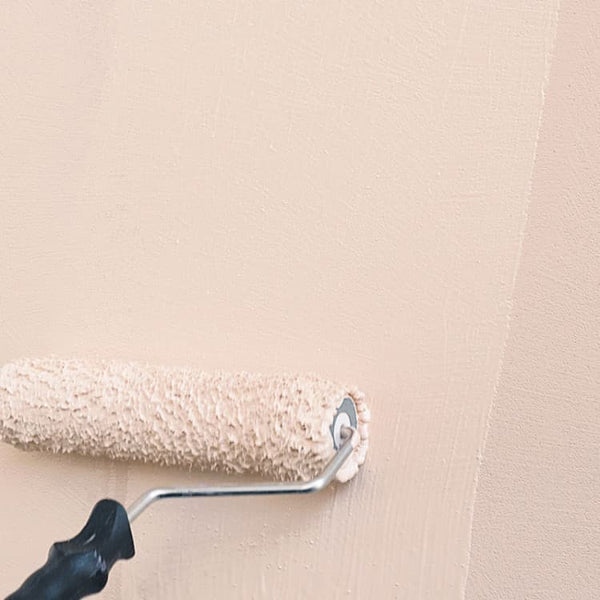
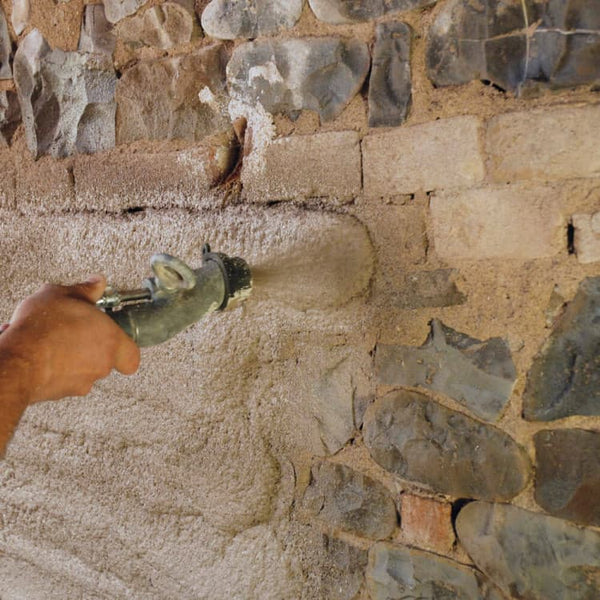
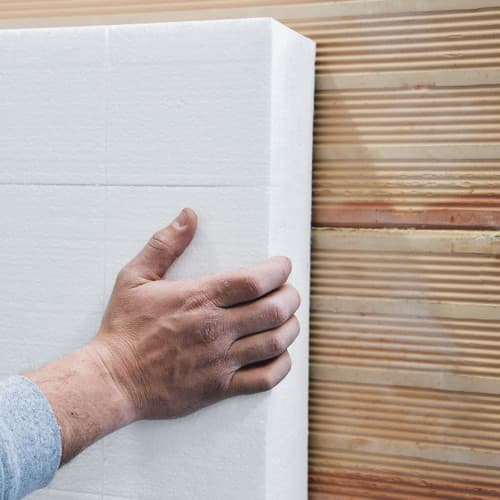
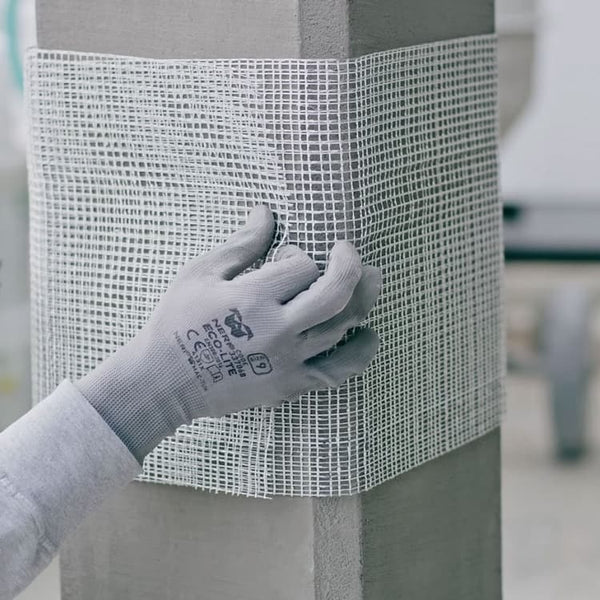
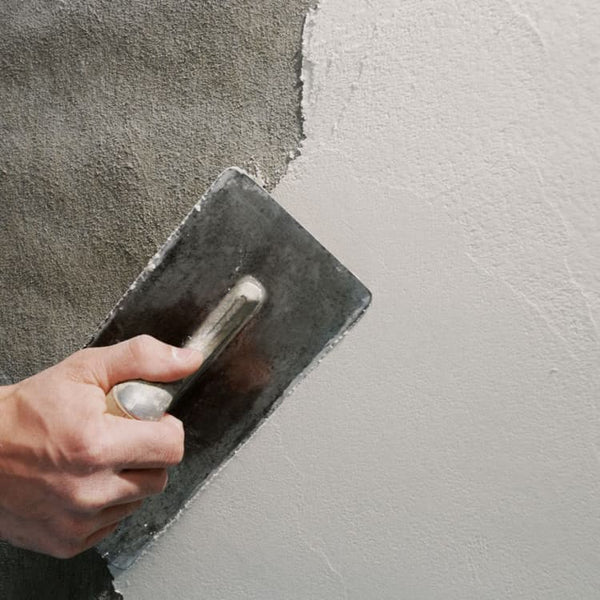
Cement plaster on old stone walls? Cement traps moisture — the wall remains damp, plaster bulges and detaches. Geocalce Intonaco is pure NHL lime — it releases moisture. Material suitable for old masonry. μ ≤ 15, ≥ 40% porosity — the wall breathes freely. This is Kerakoll Geocalce Intonaco.
-
Economical, breathable lime plaster: the most affordable NHL lime plaster in the Geocalce plaster family — for large-scale restoration, cement-free, compatible with original materials
-
Cement traps moisture in old walls: no cement here — μ ≤ 15 vapor diffusion and ≥ 40% porosity release moisture, allowing the wall to dry
-
Application of structural reinforcement systems: thick, breathable smoothing plaster for Kerakoll certified systems — load-bearing provided by Geocalce F/G and the meshes, Intonaco is the breathable top layer
-
Crack-prone, moving masonry: low modulus of elasticity — moves together with the old wall, does not crack
-
Closed living spaces, poor indoor air quality: IAQ Active technology — actively dilutes indoor pollutants, EC1 plus low emissions
-
Manual and machine application: can be applied with a plastering machine — fast on large surfaces, with the best natural lime plasticity
-
Part of the system: the Geocalce breathable base plaster — finished with fine plaster and breathable paint or decorative plaster
-
Non-combustible: A1 fire resistance class — natural mineral composition
| Type |
Breathable NHL lime plaster (for exterior and interior) |
| Binder |
NHL 3.5 pure natural hydraulic lime (EN 459-1) |
| Performance |
GP / CS II / W0 (EN 998-1)
μ ≤ 15
≥ 40% porosity
A1 fire resistance |
| Layer thickness |
max. 15 mm / layer (typically 10–15 mm) |
| Material requirement |
≈ 13 kg/m²/cm
25 kg ≈ 1.3–1.9 m² (10–15 mm layer) |
| Packaging |
Bag 25 kg |
| Storage |
≈ 12 months |
What is it suitable for?
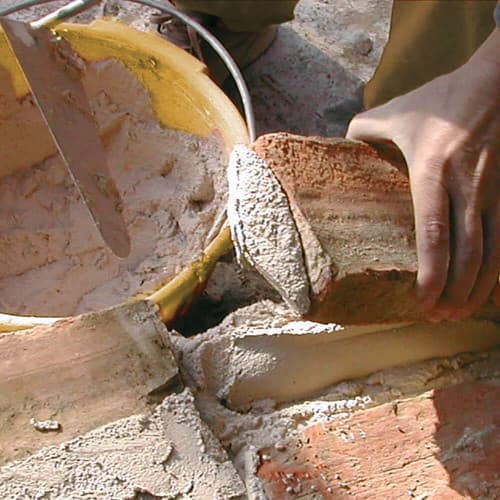
Masonry: Brick, stone, tuff, adobe, and mixed load-bearing and infill masonry — for exterior and interior use. Old, breathable lime plasters. Cellular concrete panel Biocalce Fondo after absorption-unifying priming.
Usage: Breathable body and base plastering for monument and old building restoration. Thick, breathable smoothing plaster (topcoat) on Kerakoll structural reinforcement systems — load-bearing capacity is provided by Geocalce F/G and the meshes.
Not suitable for:
- On contaminated, loose, dusty substrates
- On old paint, plaster, or smoothing layers
- On surfaces covered with salt deposits
- On gypsum-based substrates without proper preparation
- On surfaces below +5 °C, above +35 °C, or frozen; in rain or strong sun
The Geocalce breathable plaster system
Geocalce Intonaco is the system’s base and body plaster. The complete breathable build-up:
| Layer |
Product |
Role |
| 1. Body/base plaster |
Geocalce Intonaco — this product |
breathable plaster layer, 10–15 mm/layer |
| 2. Fine plaster |
Intonachino Fino / Granello / Tipo “00"
|
smooth, paintable surface |
| 3. Surface |
breathable paint or fine plaster
|
final, breathable surface |
Which Geocalce plaster do you need?
- Traditional, economical breathable plaster (10–15 mm) for stone/brick monument walls: Geocalce Intonaco — this product, CS II, μ ≤ 15
- Crack-free, earthquake-resistant technical plaster in one layer up to 30 mm: Geocalce Tenace — TPI 3D, CS III + M5
- White, multipurpose plaster-smoothing compound for any substrate (3–30 mm), also for repairs: Geocalce Multiuso — CS IV, R1
Frequently asked questions
Why shouldn’t cement plaster be applied to old stone or brick walls?
Because cement traps moisture, leaving the old wall damp. Rising damp and salts accumulate behind the plaster — causing it to bulge and detach. Breathable NHL lime plaster (e.g., Kerakoll Geocalce Intonaco) releases moisture: μ ≤ 15, ≥ 40% porosity.
Which plaster is needed for restoring a monument or old stone wall?
Breathable plaster made from pure NHL lime. Geocalce Intonaco is the material that matches the original masonry — cement-free, highly porous, following the restoration guidelines of the Italian Monuments Authority.
Biocalce Intonaco or Geocalce Intonaco — which one do you need?
Both are breathable NHL lime plasters for old walls. Geocalce Intonaco is the more economical choice for large-scale restoration (CS II, μ ≤ 15). Biocalce Intonaco is pure lime + natural pozzolan, even more breathable (μ ≤ 6) — where maximum vapor permeability and the highest heritage quality are the goal.
What does NHL lime mean?
NHL is Natural Hydraulic Lime. It hardens with water but remains breathable and flexible — suitable for old masonry, ideal for restoration. Geocalce Intonaco uses NHL 3.5 binder.
What does the CS II class mean?
CS II is the compressive strength class of EN 998-1 plaster mortar — a medium-strength plaster suitable for old, weaker masonry. It’s not the strongest, but matches the wall: its low modulus of elasticity moves with the wall.
How thick should it be applied?
Maximum 15 mm per layer. Build thicker plaster in multiple layers, always wait for the lower layer to dry. On uneven substrates, first apply a leveling base coat and embed plaster reinforcement mesh to prevent cracking.
How many m² does a 25 kg bag cover?
Material requirement ≈ 13 kg/m² per centimeter. For a 10 mm layer, a 25 kg bag covers ≈ 1.9 m²; for 15 mm, ≈ 1.3 m².
Geocalce Intonaco, Tenace, or Multiuso — which one do I need?
Intonaco is the economical plaster for large stone and brick walls (10–15 mm/layer). Geocalce Tenace is the crack-free technical plaster, up to 30 mm in one layer, for earthquake-resistant systems. Geocalce Multiuso is ideal for small areas: you can plaster and smooth from the same bag — no need to buy separate base and finishing plasters.
When should I NOT use it?
Do not apply directly on dirty, dusty, loose substrates, old paint or plaster, or salt deposits. Only apply on gypsum substrates after proper preparation. Do not work with it below +5 °C, above +35 °C, on frozen surfaces, in rain, or in strong sunlight.
Can I apply it myself?
Can be applied by hand or machine, like traditional plaster. However, the complete restoration of damp, salty, or historic walls requires expertise — including the removal of old plaster, replacement of masonry, and building the entire system. We also undertake the full execution.