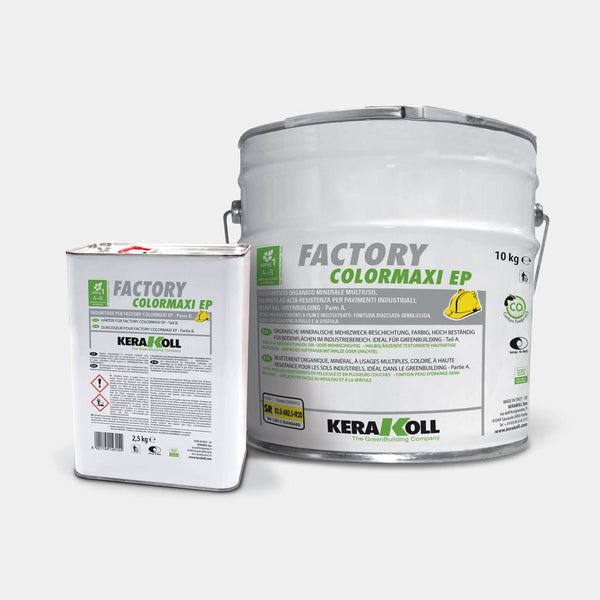
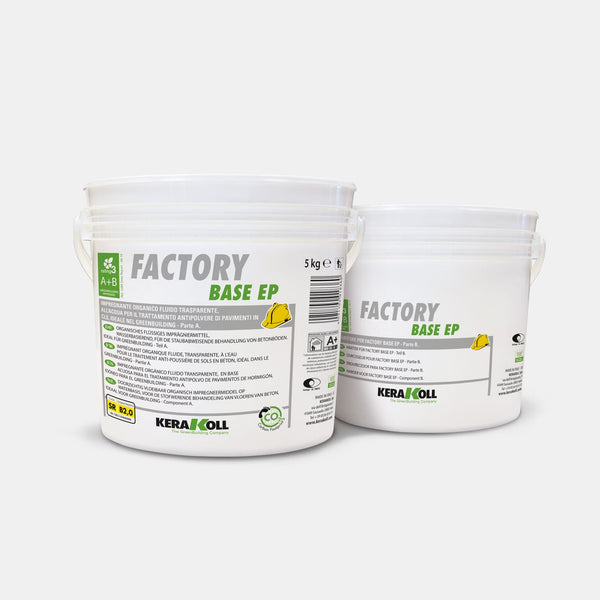
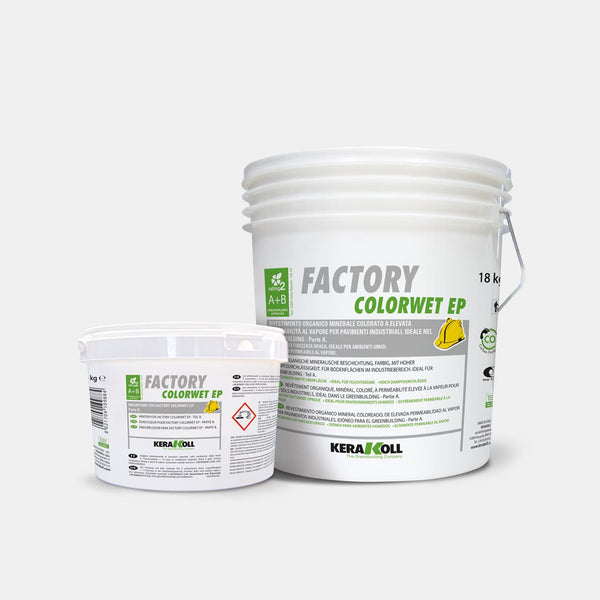
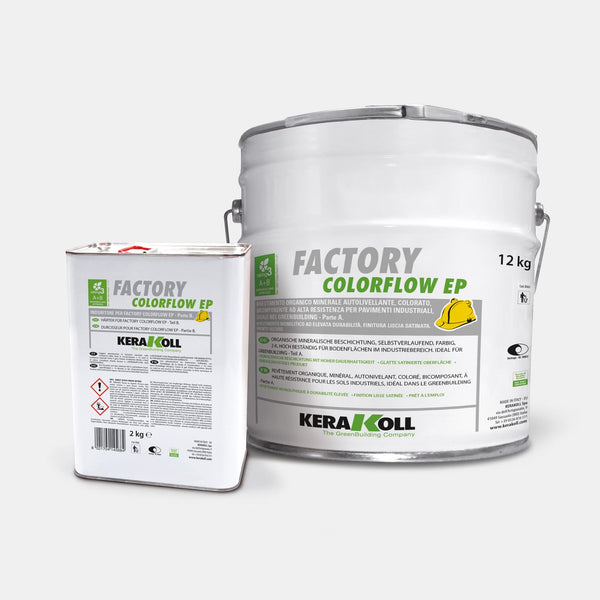
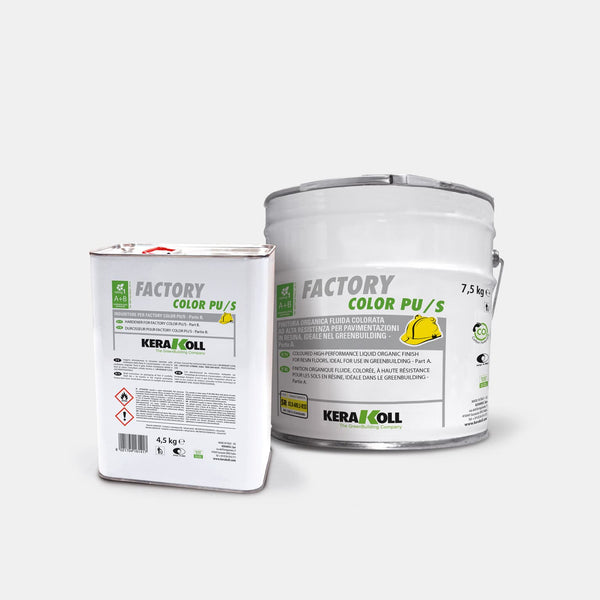
Industrial flooring is not a matter of aesthetics — it’s a matter of performance. Forklifts pass over it seven days a week, production spills chemicals on it, and the floor structure bears the full weight of the load every single shift. Ordinary floor paint is not enough for this: forklifts cut into it, it peels off under chemical exposure, and after the first major delivery round, it shows damage.
Industrial floor coating is a two-component epoxy or polyurethane-based system that cures through reactive chemical bonding, designed for mechanical and chemical stress. It cannot be compared to traditional floor paint: their chemical structure, load resistance, and application methods are completely different.
Epoxy coating: outstanding mechanical abrasion resistance, chemical resistance, and high compressive load tolerance. It is the most common solution in warehouses, factories, car showrooms, and commercial spaces. Its drawback: it slightly yellows under UV exposure, so it is complemented with a polyurethane topcoat for outdoor use.
Polyurethane coating: more flexible, better tolerates temperature fluctuations and UV radiation. In parking garages, outdoor terraces, industrial cold rooms, and production areas — where temperature differences are significant — a polyurethane or PU–epoxy combined system should be used.
Antistatic coating: in electronics industrial areas where electrostatic discharge can damage components or pose an explosion hazard, the antistatic coating forms a continuous electrically conductive layer.
Antibacterial coating: in food industry plants, laboratories, and healthcare areas, surface hygiene performance is also required. These require a special antibacterial, joint-free, and chemical-cleaning-resistant system.
Anti-slip coating: on wet, oily, or greasy industrial surfaces, anti-slip surface treatment is a workplace safety requirement. By adding aggregate (corundum grains), the epoxy coating can be built up to R9–R13 slip resistance classes.
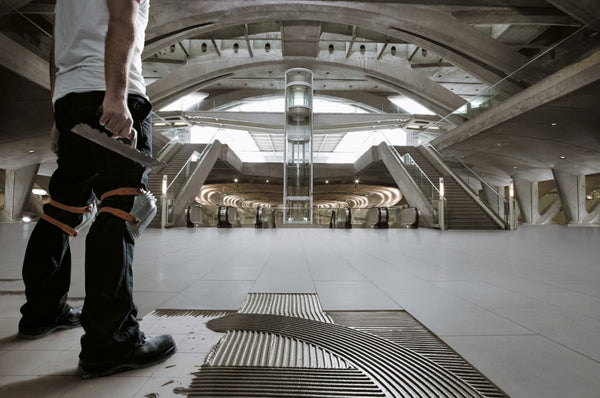
The coating is only as strong as the substrate preparation. A coating applied over oily, loose, cracked, or wet concrete will not hold — not even the highest quality system. Preparation steps include diamond grinding or shot blasting to open the substrate, degreasing, moisture content measurement, and applying a reactive epoxy primer. Survey and preparation recommendations are part of the consultation.
Browse our industrial floor coatings or request advice for a system tailored to your load and substrate.

The Kerakoll Color Collection is an integrated project that includes innovative materials - resin, cement, handcrafted wood, microcoatings, paints, and glazes - coordinated on a single color palette.