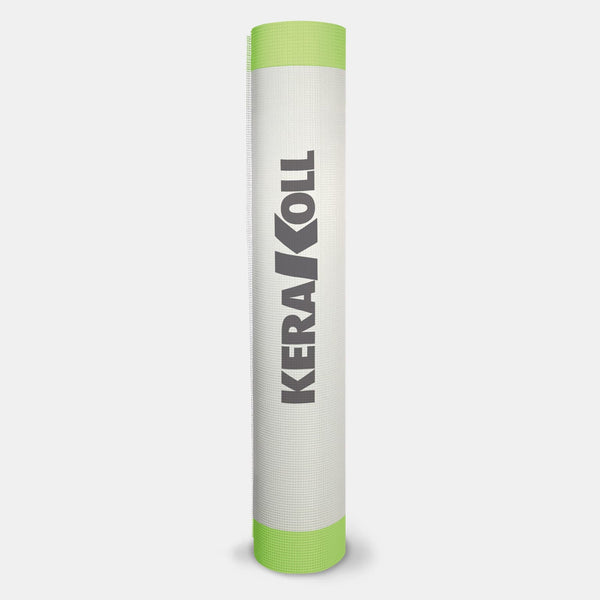
Plaster alone cannot withstand building movement, temperature stress, and mechanical impacts without mesh. Fiberglass mesh is one of the most commonly omitted — and fastest missing — components of plaster systems. In many cases where facade cracks appear, the absence or incorrect application of fiberglass mesh is a contributing factor.
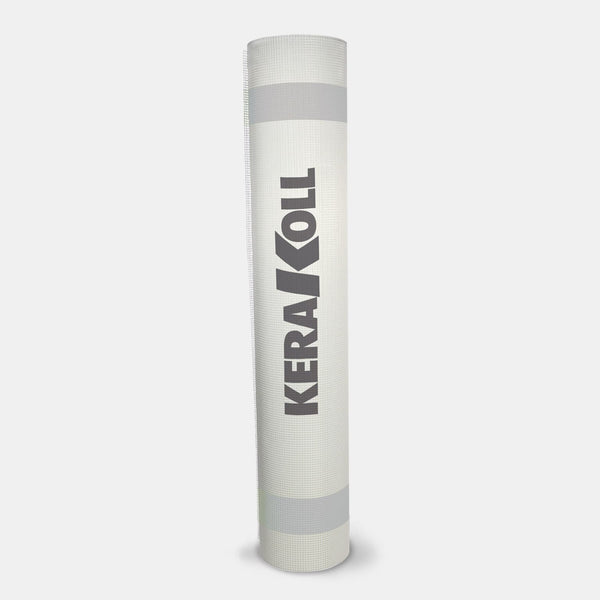
Fiberglass mesh is the internal reinforcing layer of the finishing plaster and plaster systems. Embedded in the plaster layer, it prevents the formation and spread of cracks, increases mechanical impact resistance, and ensures that the plaster does not crack during expansion and contraction caused by heat.
In ETICS (external thermal insulation composite systems) — based on EPS or mineral wool boards — embedding fiberglass mesh in the finishing plaster is mandatory. Alkali resistance is a requirement, not a recommendation: the alkaline environment of cement-based finishing plaster will damage non-alkali-resistant mesh over time — the mesh disintegrates, the plaster cracks, and the system loses its reinforcing function.
Only system-certified, alkali-resistant fiberglass mesh may be used for ETICS systems. System certification means that the given mesh was tested together as a component of the system — and the warranty applies to the entire system, not individual components. Replacing the recommended mesh with other, non-system-certified mesh invalidates the system certification.
The most important characteristic of the mesh is its area weight (g/m²), which reflects the density of the fibers and thus the mechanical reinforcing effect:
For indoor drywall joints, fiberglass mesh (or tape) protects the joint from cracking. Drywall joints move: without mesh and adhesive tape, the paint layer and finishing plaster crack. Using mesh prevents this.
Under finishing plaster on interior walls — especially on old masonry where the wall is not uniform — fiberglass mesh reduces the risk of cracking.
Browse our selection of fiberglass meshes or request advice to choose the right mesh for your system.
The Kerakoll Color Collection is an integrated project that includes innovative materials - resin, cement, handcrafted wood, microcoatings, paints, and glazes - coordinated on a single color palette.