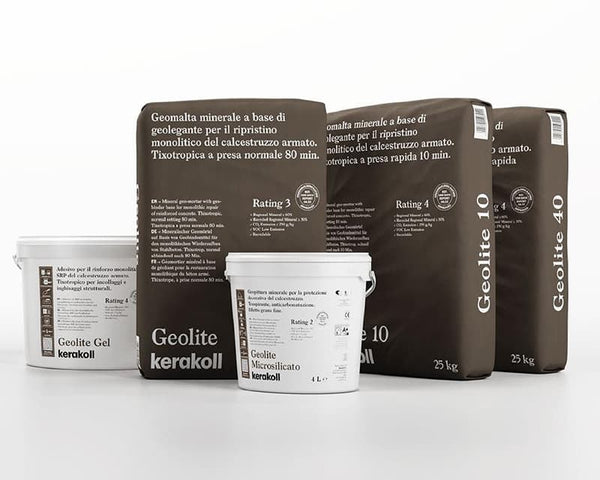
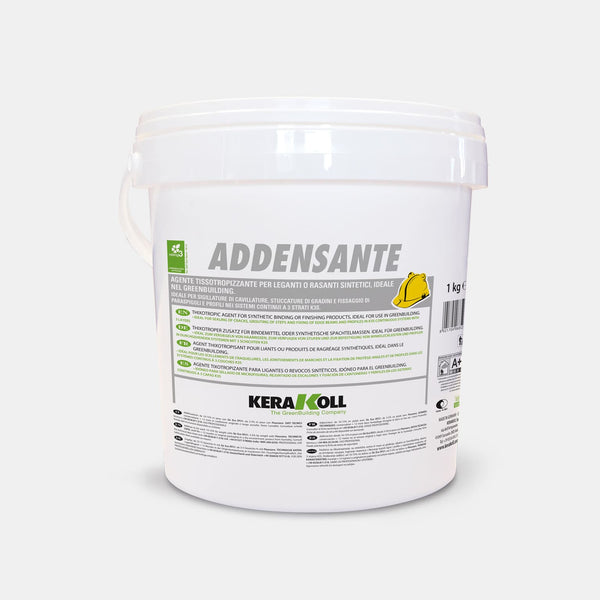
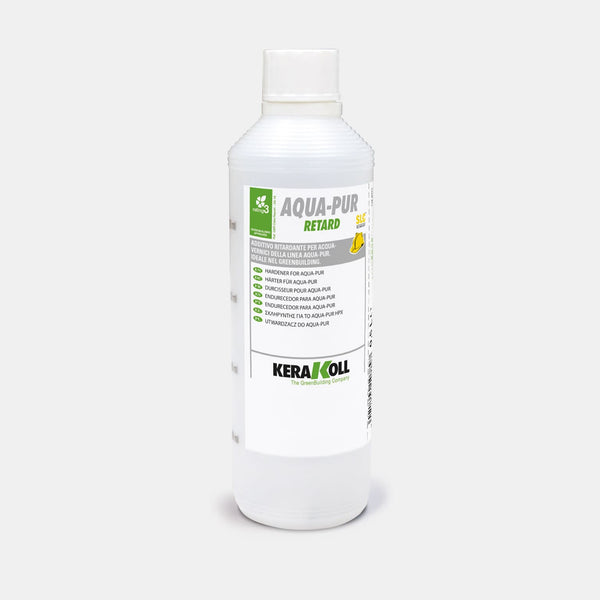
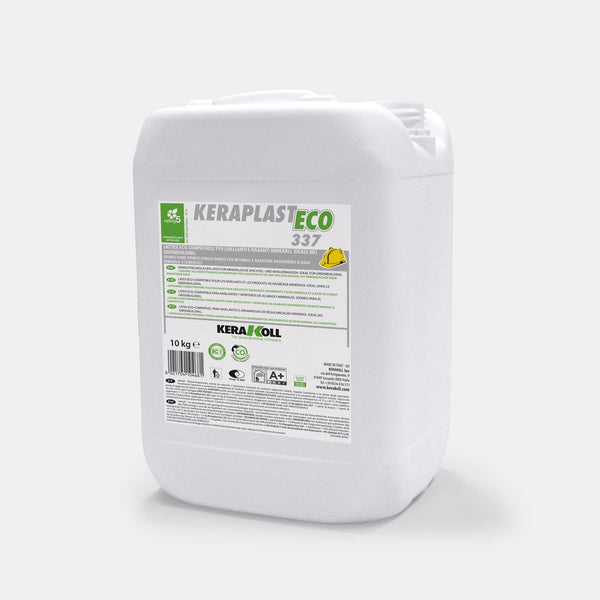
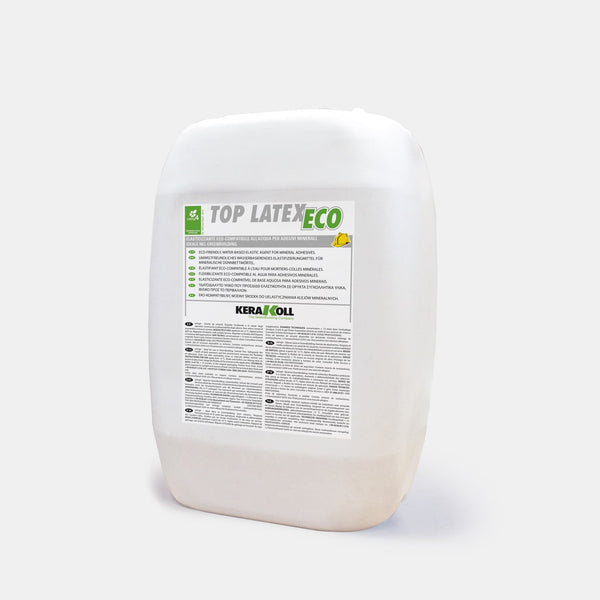
Additives are used to purposefully modify the performance of construction materials. They are not standalone materials — when mixed into the main material (adhesive, plaster, screed, concrete), they precisely change the property needed for the specific application: flexibility, adhesion strength, setting time, water resistance, or workability.
Flexibilizers: When mixed into cement-based adhesives and grouts, they increase the flexibility class. Where an S1 class adhesive is required but only C2 is available, the appropriate flexibilizer can achieve S1 performance — provided the manufacturer approves this application.
Latex and dispersion additives: When mixed into tile adhesive, leveling compounds, and plaster, they improve adhesion strength, flexibility, and abrasion resistance. They serve to partially or fully replace mixing water.
Setting accelerators and retarders: Used to modify setting speed in cold or hot weather, or where conditions affecting workability time require it.
Waterproofing additives: When mixed into plaster and mortar, they reduce water absorption and capillary suction. Suitable for outdoor and moisture-exposed structures.
Plasticizers: For concrete and self-leveling screeds, where workability needs to be improved without reducing the mix composition.
An additive can only be used in a system with the manufacturer's approval. In an unapproved combination, the additive may degrade — not improve — performance and invalidate the system's certification. Accurate dosing is also critical: excessive amounts weaken rather than strengthen the material.
Browse our additives or request advice to select the additive suitable for your system and application.
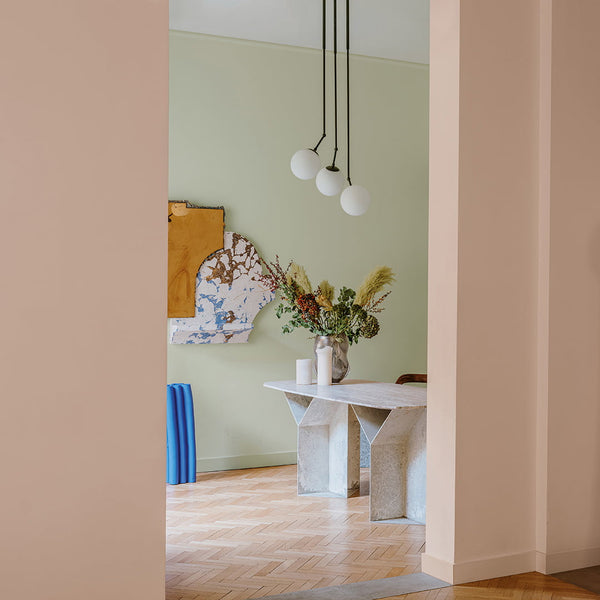
The Kerakoll Color Collection is an integrated project that includes innovative materials - resin, cement, handcrafted wood, microcoatings, paints, and glazes - coordinated on a single color palette.