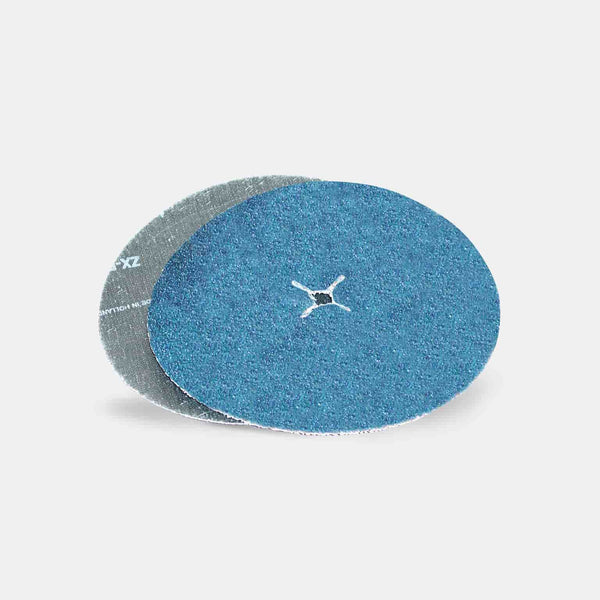
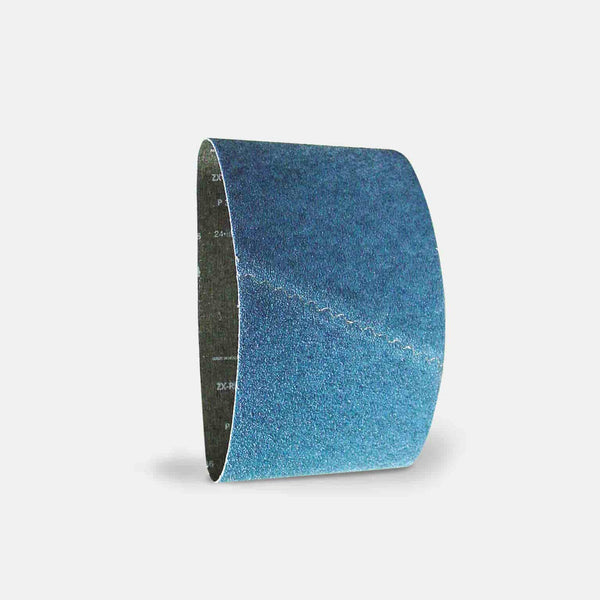
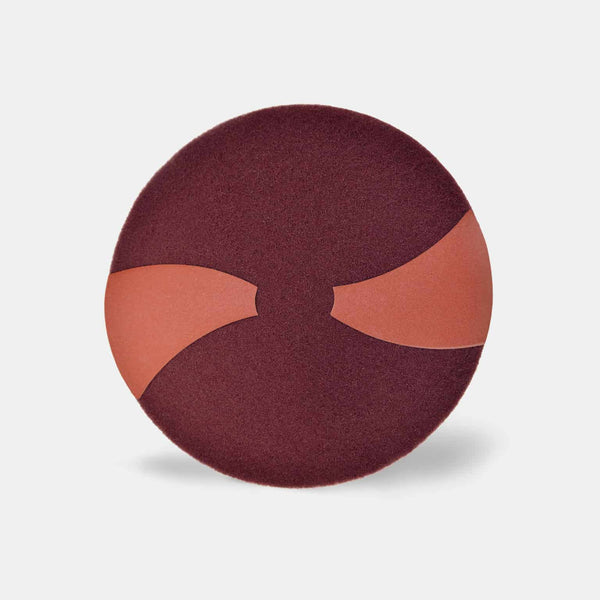
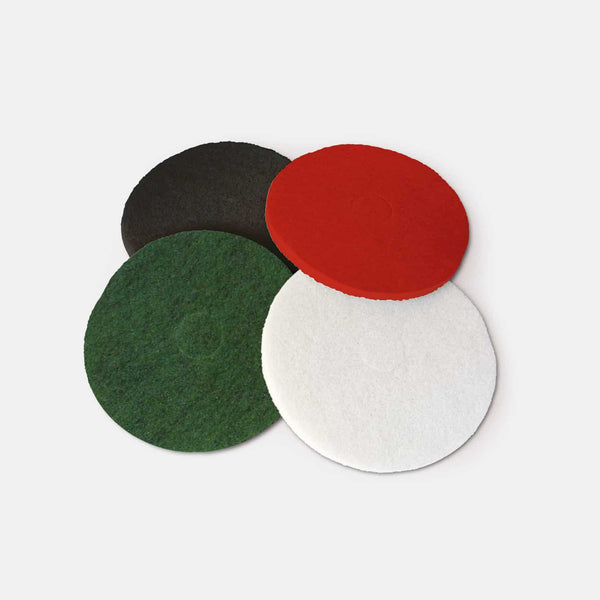
The grinding disc and sandpaper are among the most often underestimated auxiliary materials in construction and surface treatment work. Incorrect grit size, unsuitable binder, or poor-quality abrasive surface results in low-quality preparation — and the quality of preparation directly determines the durability of the coating, varnish, or paint.
For parquet sanding: Parquet sanding is a multi-step process requiring discs with different grit sizes. Coarse grit (36–60) for the initial sanding to remove unevenness and old coating residues. Medium grit (80–100) for leveling. Fine grit (120–150) for the final sanding, which prepares the surface under the coating.
For concrete surface preparation: Diamond grinding disc or silicon carbide disc for opening and leveling concrete with an industrial grinder. A mandatory step before reactive primer and industrial coating.
For sanding between epoxy and varnish layers: Fine grit (180–220) sandpaper to improve adhesion between layers. All dust generated after sanding must be completely removed.
For dry and wet sanding: Certain materials — surfaces in wet rooms, plaster — require wet sanding. Waterproof sandpaper is necessary for these applications.
In industrial and professional use, the quality of the grinding disc directly affects the speed and quality of the work. A quickly wearing, unevenly gritted grinding disc not only slows down the work but also leaves an uneven surface.
Browse our grinders or request advice to select the appropriate abrasive material for the specific surface and work phase.
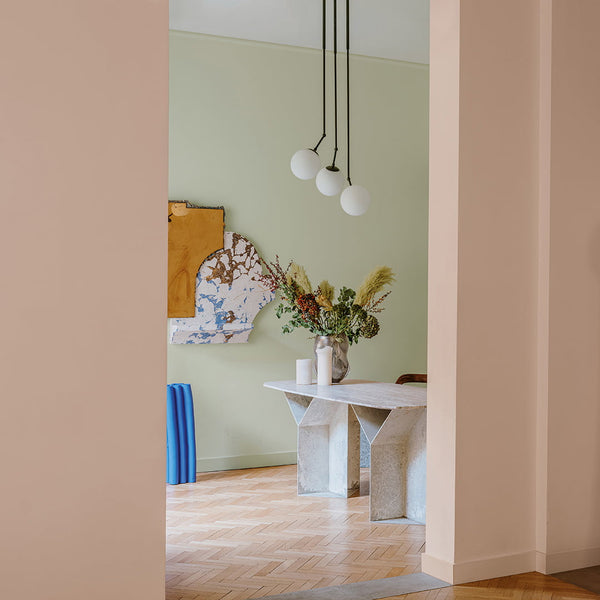
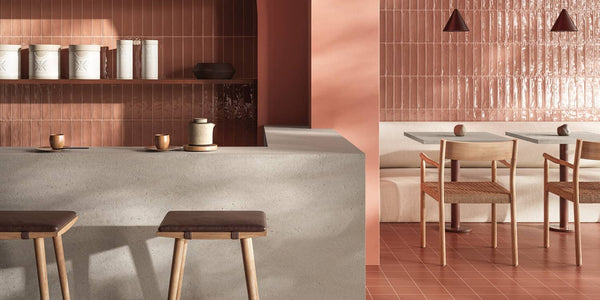
The Kerakoll Color Collection is an integrated project that includes innovative materials - resin, cement, handcrafted wood, microcoatings, paints, and glazes - coordinated on a single color palette.