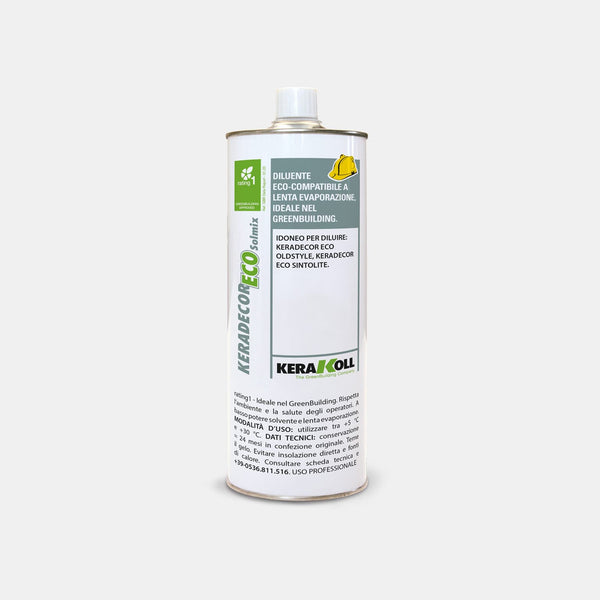
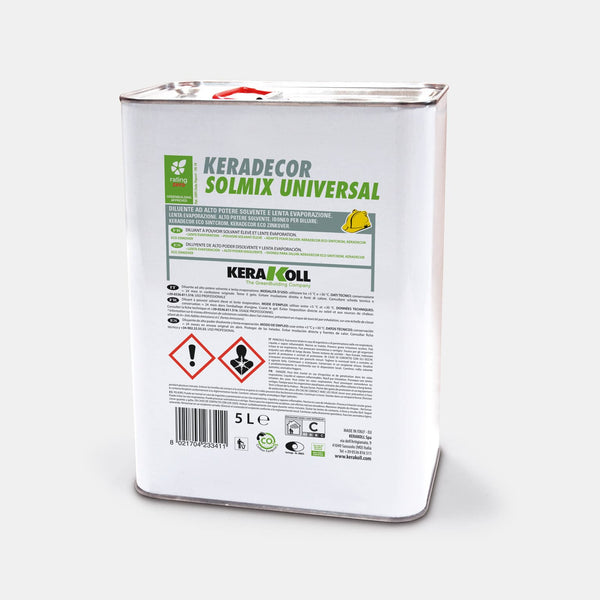
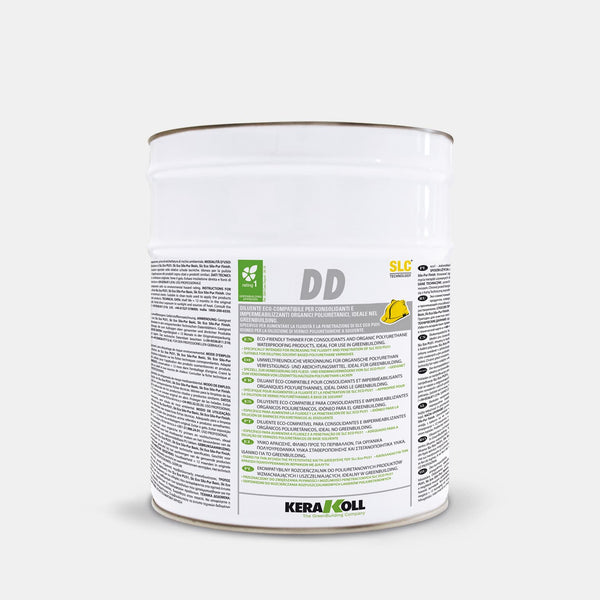
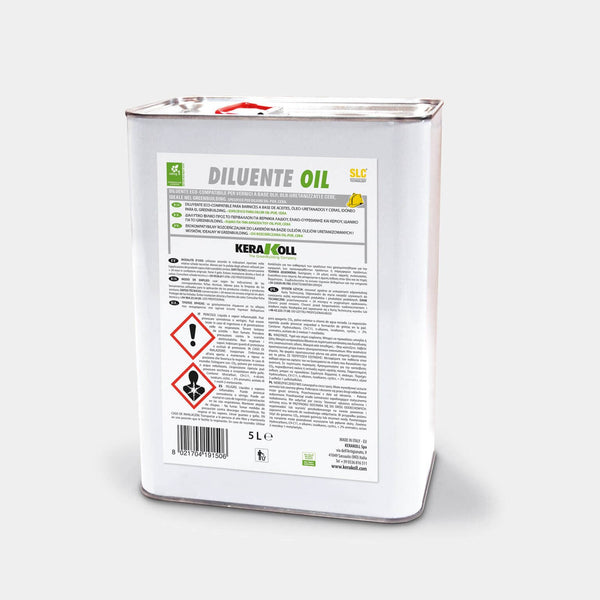
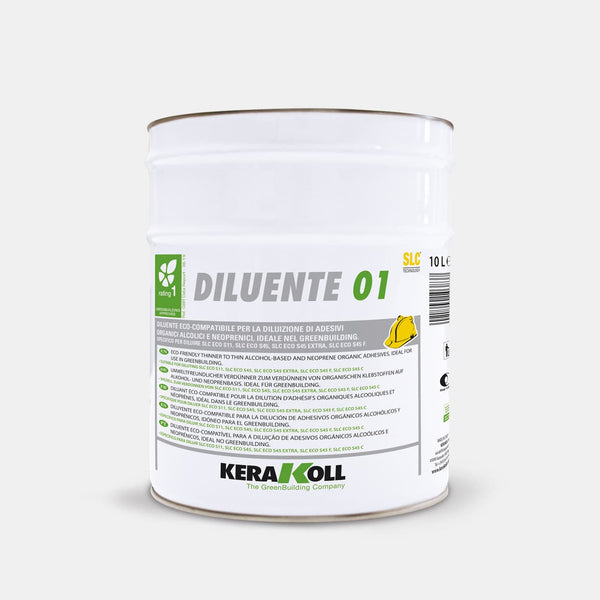
Thinners are additives that improve the workability of construction materials by modifying viscosity. When used correctly, they adjust the consistency of paint, primer, or coating before application to suit the desired method—brush, roller, or spray gun. Incorrect thinning reduces the material's performance, so only thinners approved by the manufacturer should be used.
Not all materials require thinning. Many modern water-based paints and primers can be applied directly—the manufacturer's datasheet specifies whether thinning is needed and to what extent. Thinning may be necessary:
For water-based materials: clean water or a dispersion thinner specified by the manufacturer. Do not mix with solvent-based thinners.
For solvent-based materials: xylene, toluene, white spirit, or a product-specific solvent matching the composition. Confirming the solvent type with the material is mandatory—an incompatible solvent will ruin the curing process.
The degree of thinning is always determined by the manufacturer's datasheet. Excessive thinning reduces coverage, weakens curing strength, and can damage the coating's film-forming properties. Adding "just a little more water" may seem harmless but fundamentally affects the material's performance.
Browse our selection of thinners or request advice to choose a thinning system compatible with your material.

The Kerakoll Color Collection is an integrated project that includes innovative materials - resin, cement, handcrafted wood, microcoatings, paints, and glazes - coordinated on a single color palette.