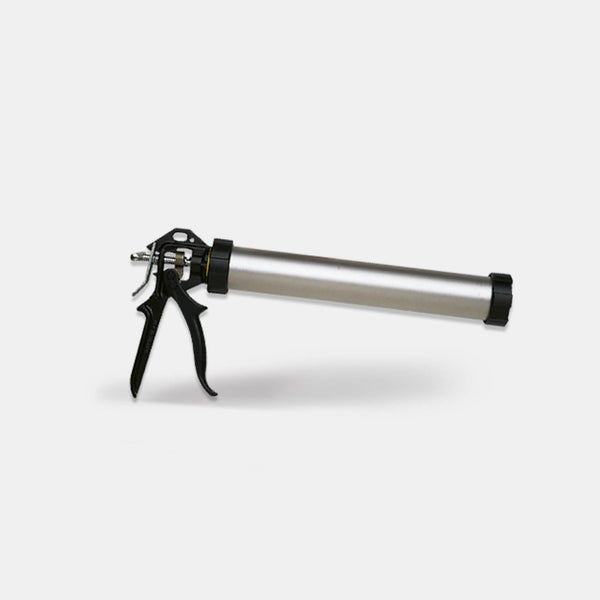
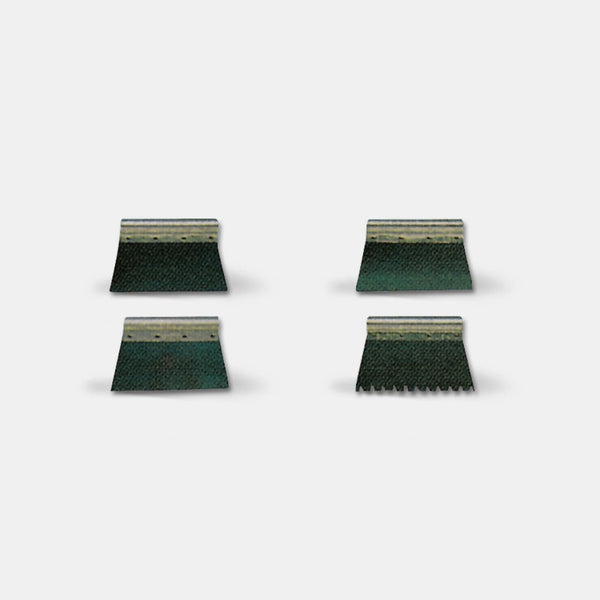
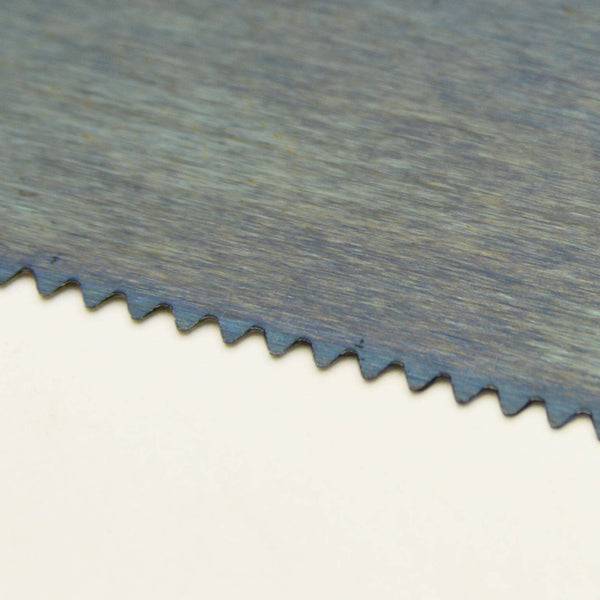
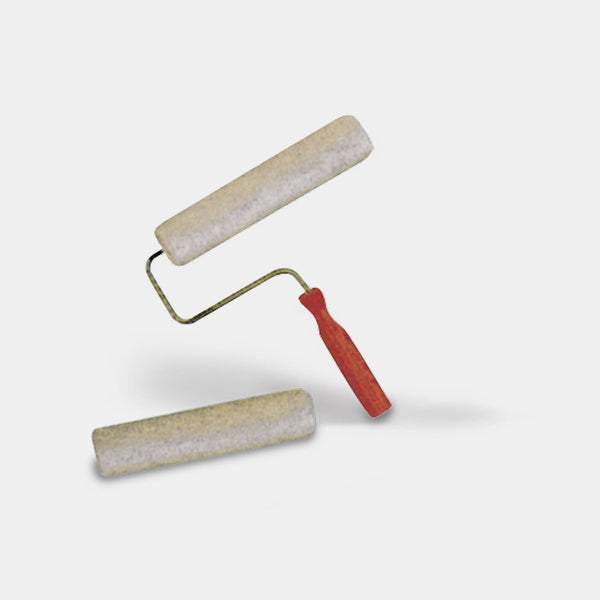
The right tool, along with the correct material, is essential for a smooth, flawless surface. Tile adhesive is applied with a notched trowel, decorative putty with a stainless steel spatula, plaster with a notched float—each material and technique requires its own specific tool. Using the wrong tool results in uneven layer thickness, poor adhesion, and an aesthetically weak finish.
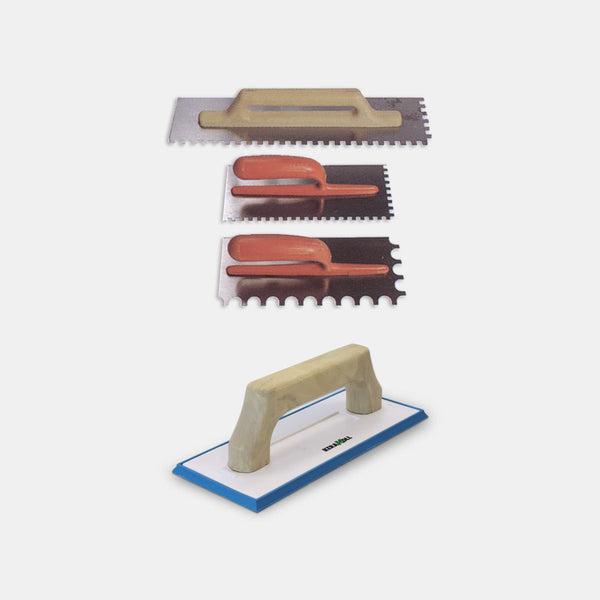
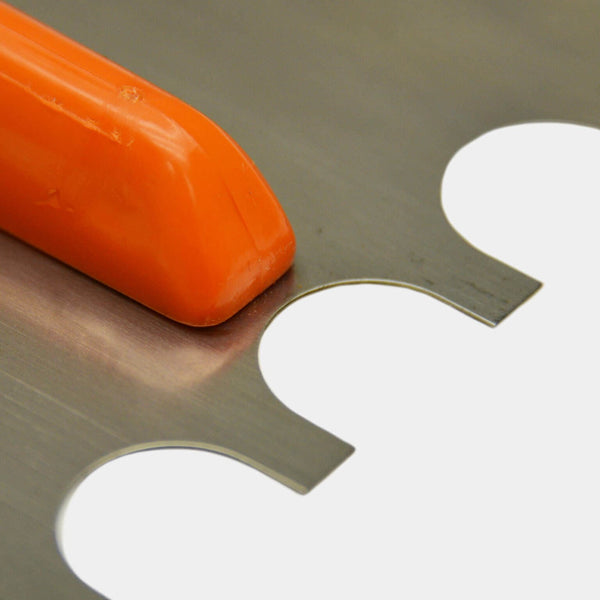
The notched trowel is the primary tool for applying tile adhesive. The size of the notches—V3, V4, U6, etc.—determines the thickness of the adhesive layer and the amount of material applied. Larger notches are needed for large-format tiles, while finer notches suit small mosaics.
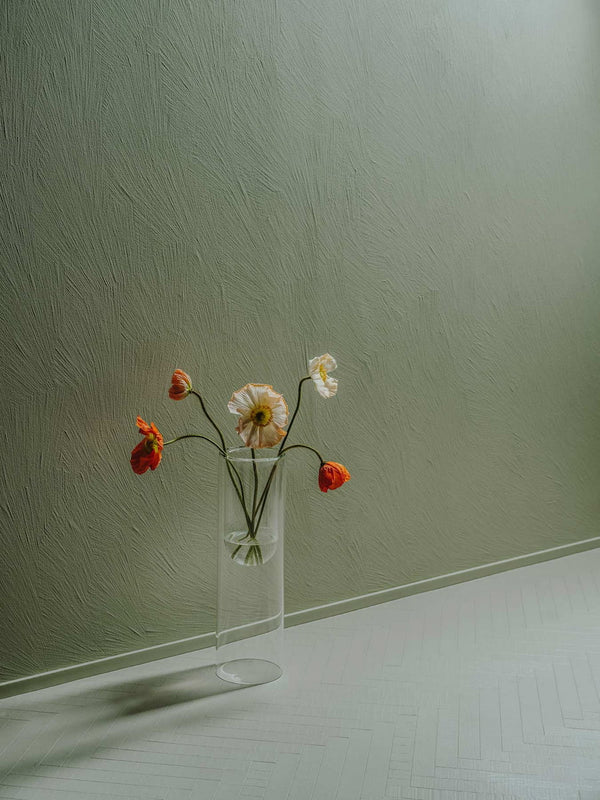
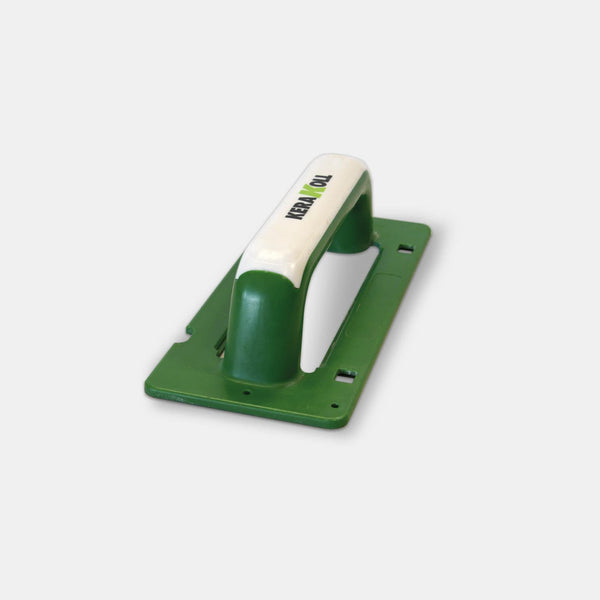
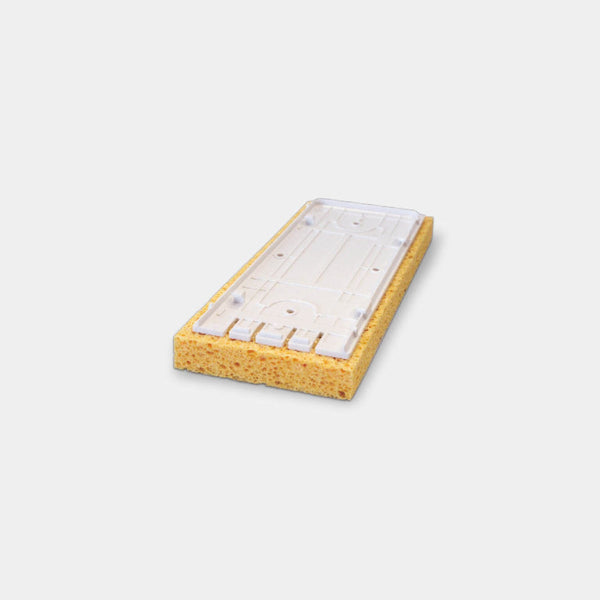
For mineral plaster and smoothing plaster, use a notched plastic float or a foam float. Circular motions with a foam float create the traditional "gravelly" textured plaster surface. For a finer, smoother finish, felt or sponge floats are the tools to use.
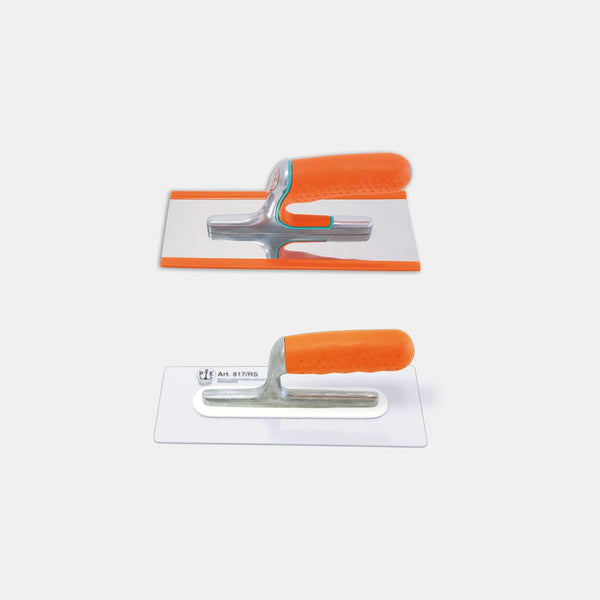
Steel or stainless steel spatulas are required for applying and smoothing decorative coatings—decorative putty, smoothed mineral coatings. The flexibility and width of the steel spatula determine the coating’s thickness and texture. Some techniques require spatulas with special profiles.
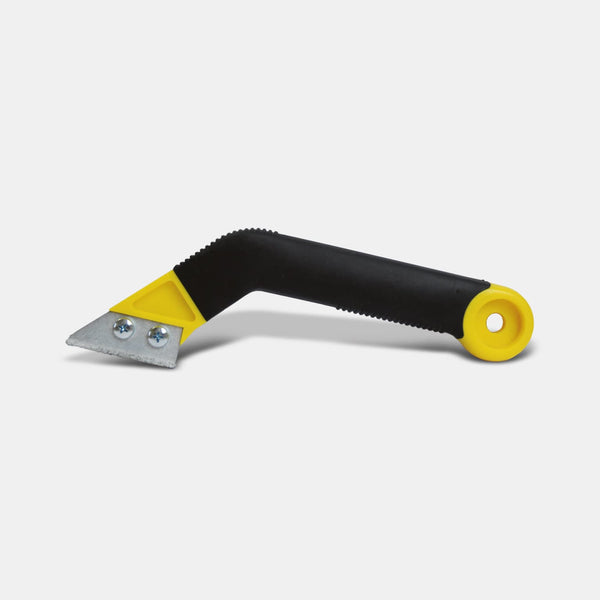
Cleaning tools before the material sets is mandatory. Hardened material ruins the tool—and leftover material hinders even application in subsequent work.
Browse our hand tools and floats, or request advice to select the right tool for your material and technique.
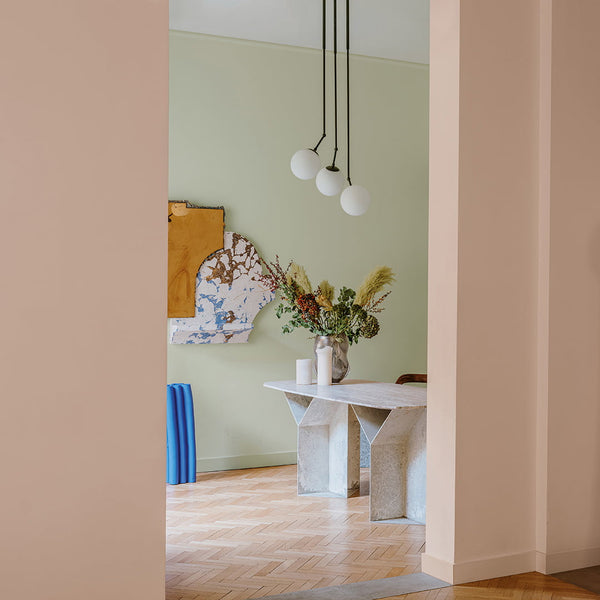
The Kerakoll Color Collection is an integrated project that includes innovative materials - resin, cement, handcrafted wood, microcoatings, paints, and glazes - coordinated on a single color palette.