The correct use of materials and the quality of building renovation largely depend on the accuracy of measurements. The moisture content of the substrate, temperature, level differences, and the conditions for processing the material can only be determined by measurement, not estimation. The right measuring tool is not a luxury — it is an investment to avoid redoing the work.
Measuring the moisture content of the substrate is a mandatory step before parquet gluing, laying flexible coverings, applying industrial coatings, and screed installation. There are two main measurement methods:
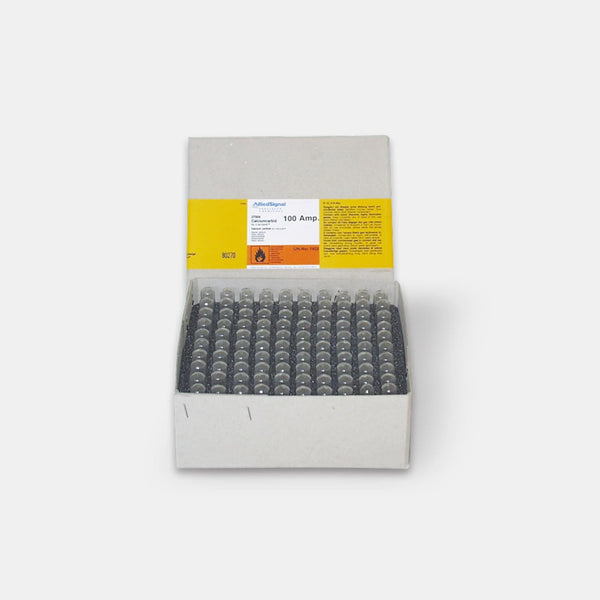
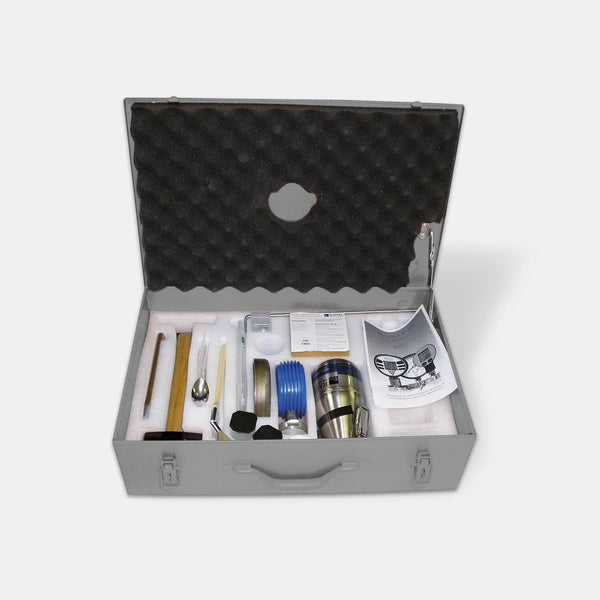
CM measurement (carbide method): A standard, destructive method that determines the actual moisture content by gas pressure measurement based on the calcium carbide reaction. This is the reference method in the trade.
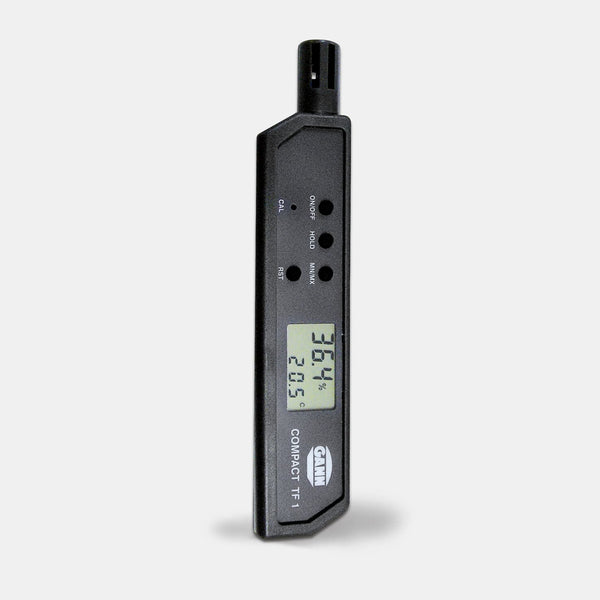
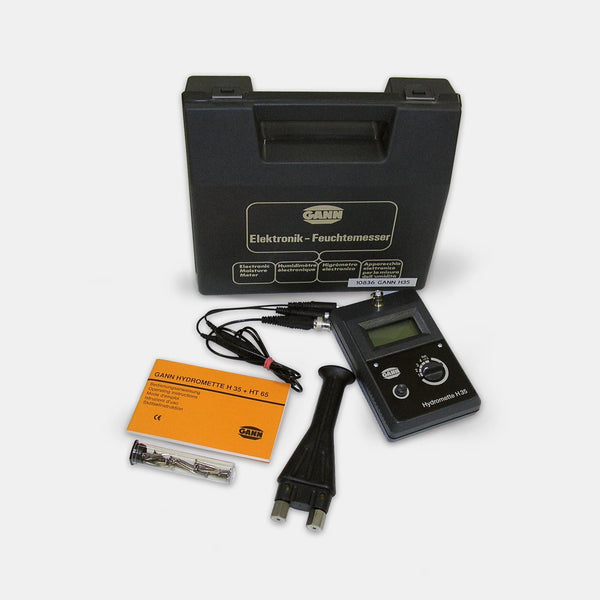
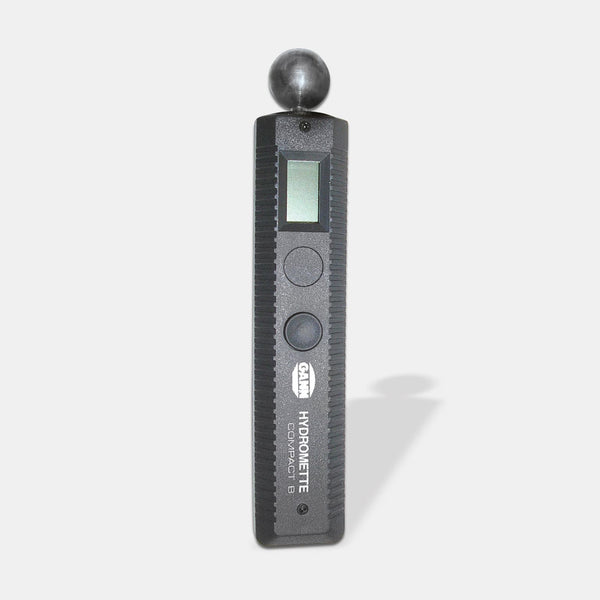
Electric moisture meter: Non-destructive, fast, but less accurate. Informative only — CM measurement is required before critical decisions.
The processability of materials depends on temperature. Epoxy adhesives, reactive primers, and fast-curing materials slow down at low temperatures and cure faster at high temperatures. To comply with the processing range specified on the manufacturer's datasheet, actual surface and air temperature measurements are necessary.
Checking substrate evenness with a leveling bar and spirit level: before laying coverings, any level difference within 2 meters on the substrate must not exceed the value specified by the manufacturer (usually 3 mm/2 m).
A contractor working without measuring tools relies on experience and estimation. This may be sufficient under certain conditions — but in case of complaints, the lack of measurement documentation causes proof issues. Using measuring tools is a fundamental requirement for responsible execution.
Browse our measuring tools or request advice to determine the appropriate measurement method for your material system.
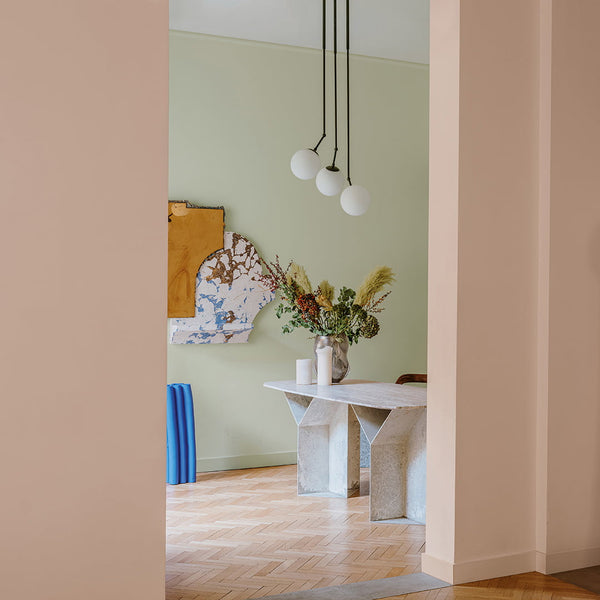
The Kerakoll Color Collection is an integrated project that includes innovative materials - resin, cement, handcrafted wood, microcoatings, paints, and glazes - coordinated on a single color palette.