The structural mesh is a reinforcing element embedded in a matrix and applied to the surface of masonry, plaster, and concrete, which increases the tensile strength and crack resistance of the surface. It is used where the mechanical performance of fiberglass plaster reinforcement mesh is insufficient, and where the reinforcement aims not only to prevent crack propagation but also to improve the overall load-bearing capacity of the structure.
Fiberglass mesh (used under ETICS finishing plaster) prevents crack propagation — its thickness and tensile capacity are limited. Structural mesh is a reinforcing element woven from high-strength fibers (carbon fiber, steel fiber, higher density fiberglass) embedded in a matrix, with tensile capacity on a different scale.
For seismic strengthening of masonry: To increase the lateral load resistance of old brick and stone masonry where the building’s seismic vulnerability needs to be reduced. The mesh is embedded in a cement-based or geopolymer matrix applied to the masonry surface.
For stabilizing walls at risk of collapse or structurally damaged walls: where the masonry binder has deteriorated and the wall no longer safely supports itself.
For strengthening concrete structures with surface application: where a textile-reinforced cement composite (TRC) system can be used instead of FRP laminates.
For plaster systems with increased impact resistance requirements: in base zones where mechanical impact loads exceed the capacity of fiberglass mesh.
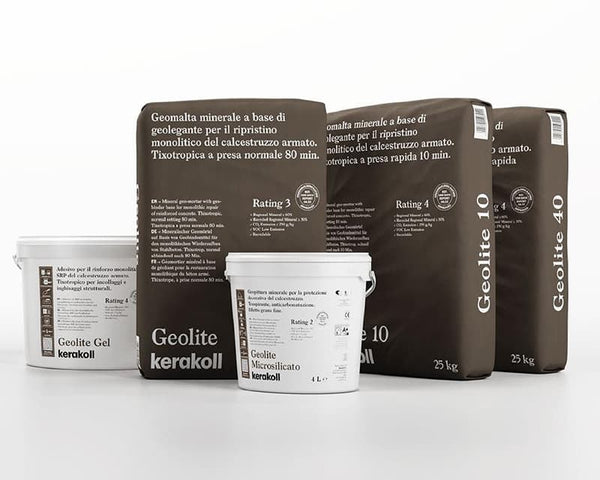
The performance of the structural mesh also depends on the properties of the embedding matrix. Steel and fiberglass mesh can be used in cement-based matrices, while carbon fiber and steel mesh are suitable for geopolymer matrices. The combination of matrix and mesh determines the overall structural performance of the system.
Browse our structural mesh selection or request advice to assemble a system tailored to your reinforcement task and structure type.
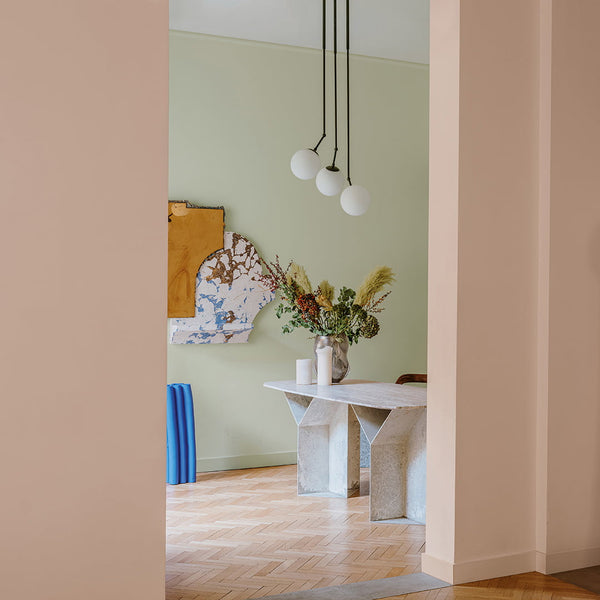
The Kerakoll Color Collection is an integrated project that includes innovative materials - resin, cement, handcrafted wood, microcoatings, paints, and glazes - coordinated on a single color palette.