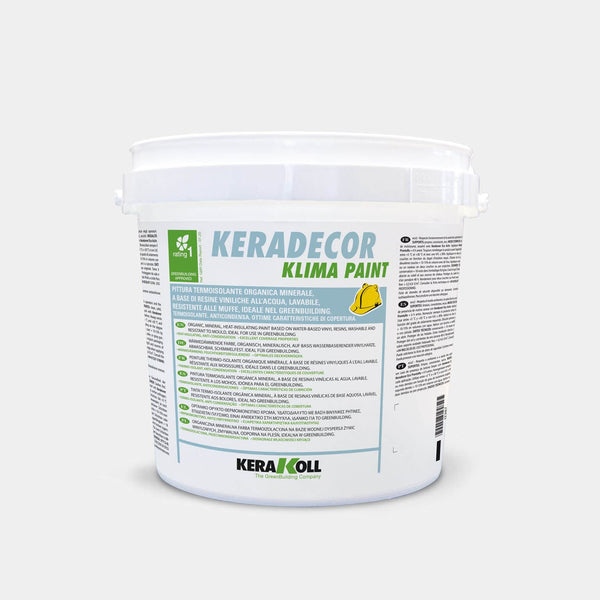
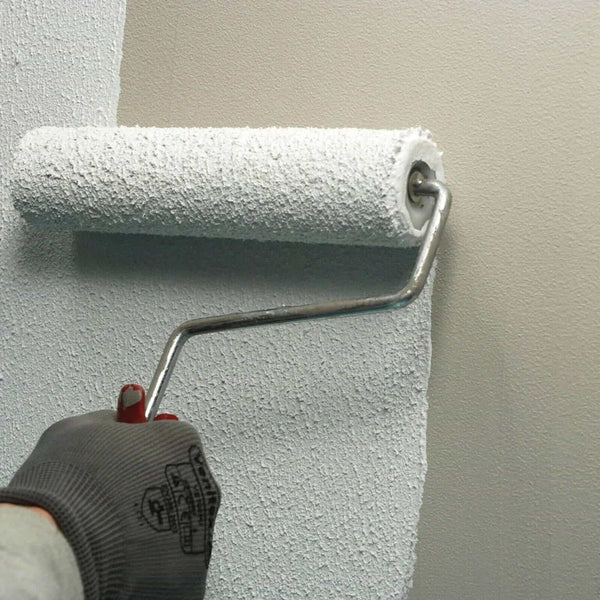
Choosing interior paint may seem simple — but it’s actually a decision about materials, vapor permeability, and maintenance all at once. A paint layer that looks good for a short time but doesn’t allow moisture to pass through will develop mold in damp rooms and poorly ventilated interiors, and after a few months, mold spots will appear on the fresh white wall. There’s no worse project than one where the finishing paint’s effectiveness falls short of expectations.
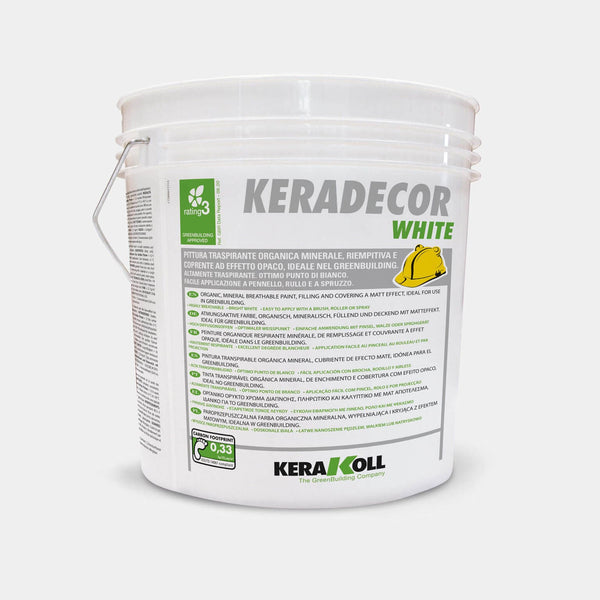
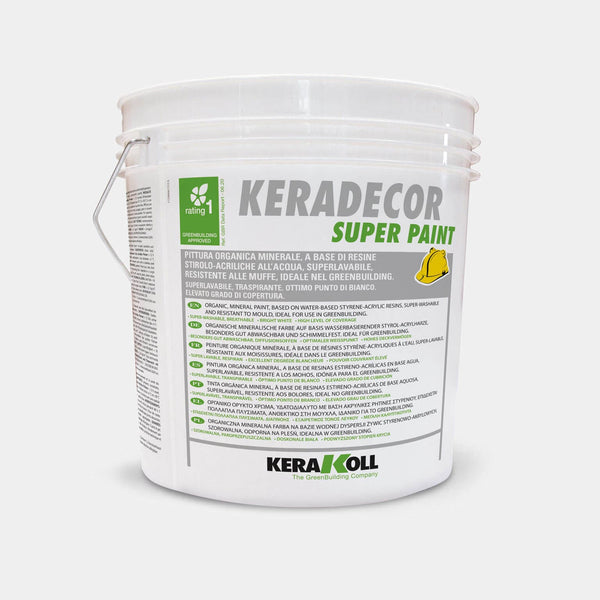
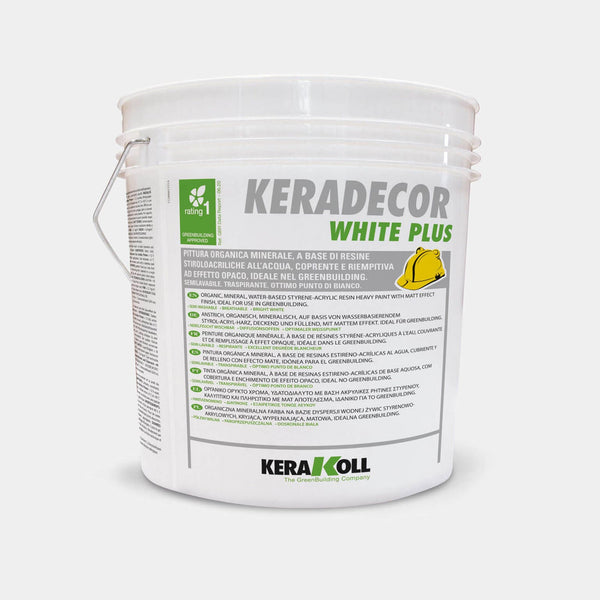
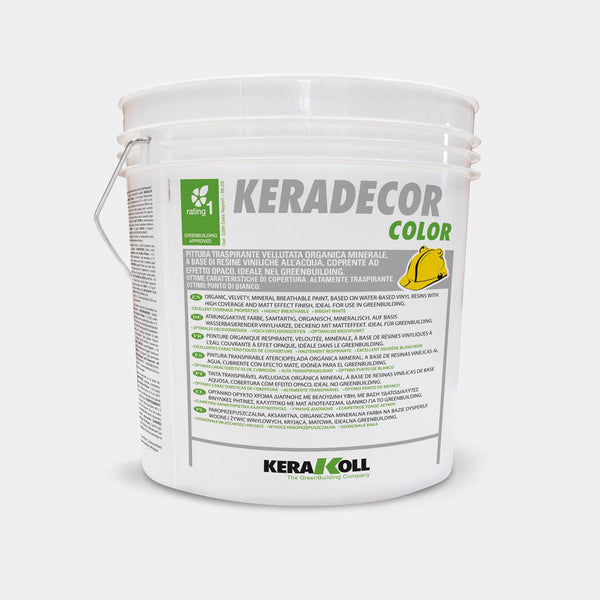
Vapor-permeable (diffusion-open) wall paint does not seal the wall: the wall breathes, the moisture passes through the paint layer and does not condense on the surface. This is especially important in old buildings where walls are made of natural plaster or brickwork, and moisture movement is continuous. Old walls covered with airtight paint trap moisture inside, causing plaster to swell and peel off.
Mineral-based (lime- or silicate-based) interior paints chemically bond to the mineral substrate — they don’t form a film layer but become part of the substrate. That’s why they don’t flake off, and their natural vapor permeability is the highest among interior paints. This is the appropriate material group for old, mineral-plastered interior surfaces.
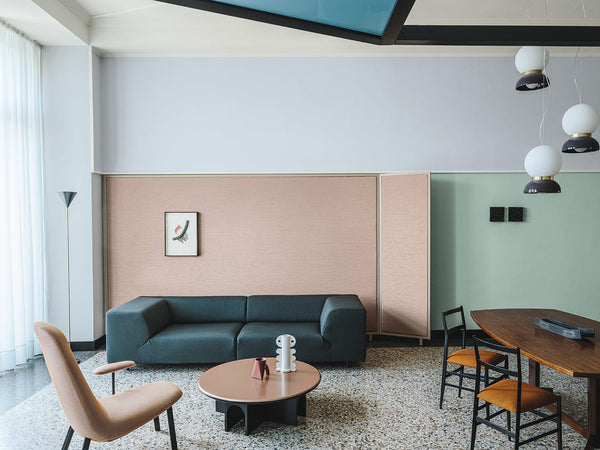
Some interior paint systems are available in 150 or more shades, and the range is coordinated with complementary materials — grout, silicone, decorative putty — as well. This means the floor grout, wall paint, and door frame silicone sealant can be matched from the same palette.
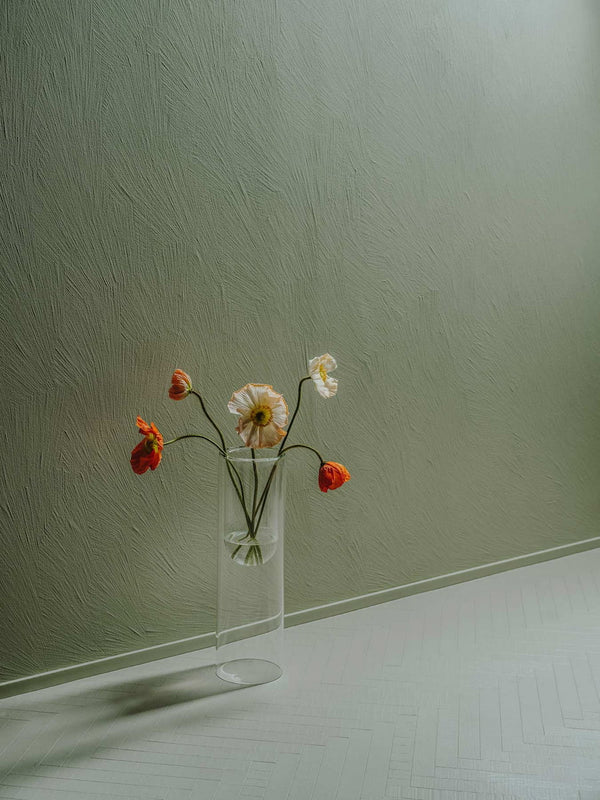
Color perception depends on lighting, the tone of adjacent materials, and surface texture. What appears warm on a monitor can actually look cool in natural light. What seems saturated digitally may appear matte and subdued on mineral plaster. Before finalizing a color choice, it’s worth viewing the sample under on-site lighting — you can do this in our showrooms under both natural and artificial light.
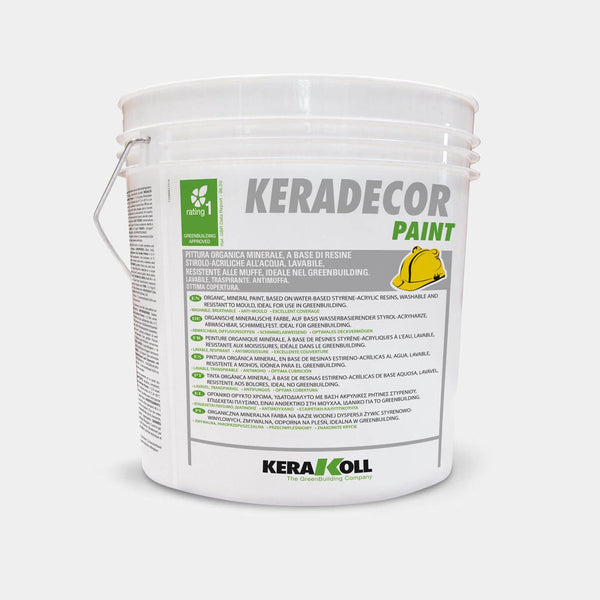
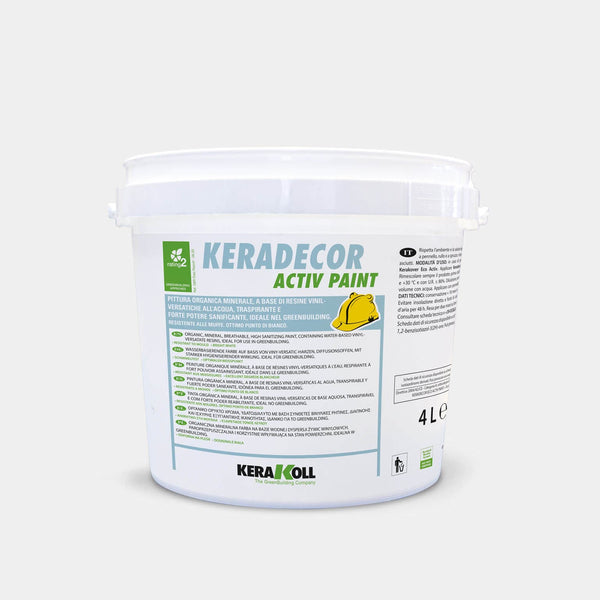
For damp rooms — bathrooms, kitchens, basements — where humidity and temperature fluctuations favor biological growth, antibacterial interior paint can be used. These paints inhibit the growth of mold and fungi but do not replace addressing the source of moisture.
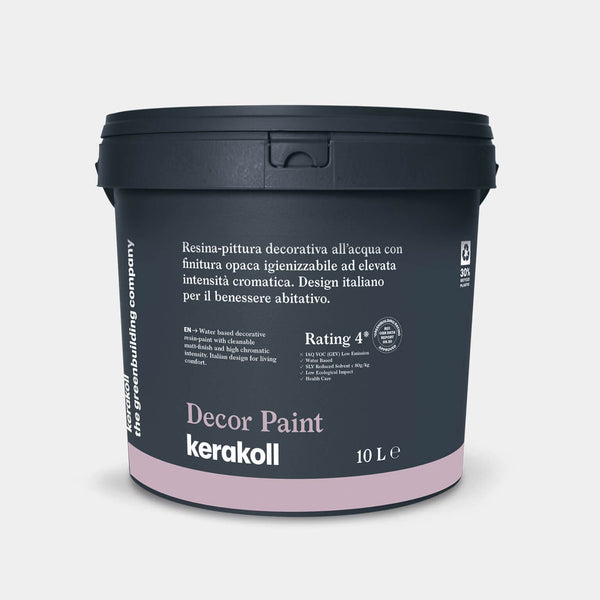
Browse our interior wall paints or request advice on selecting the right material quality and color for your space.
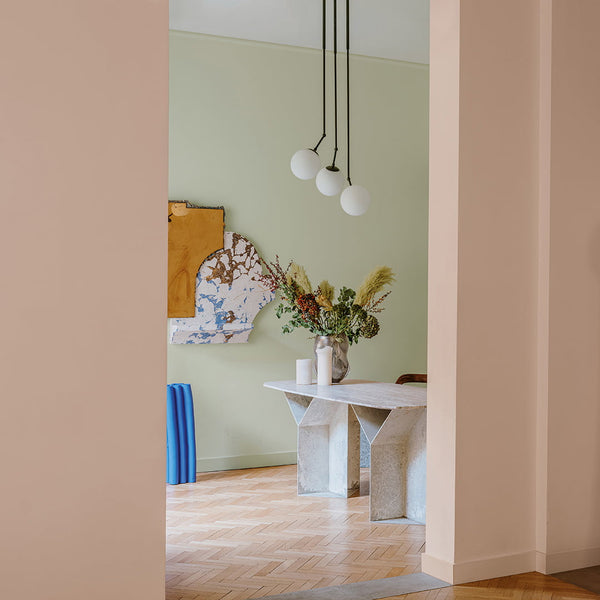
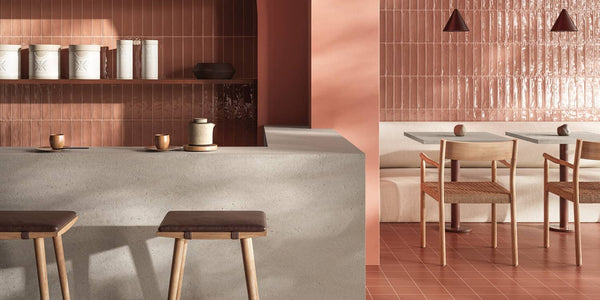
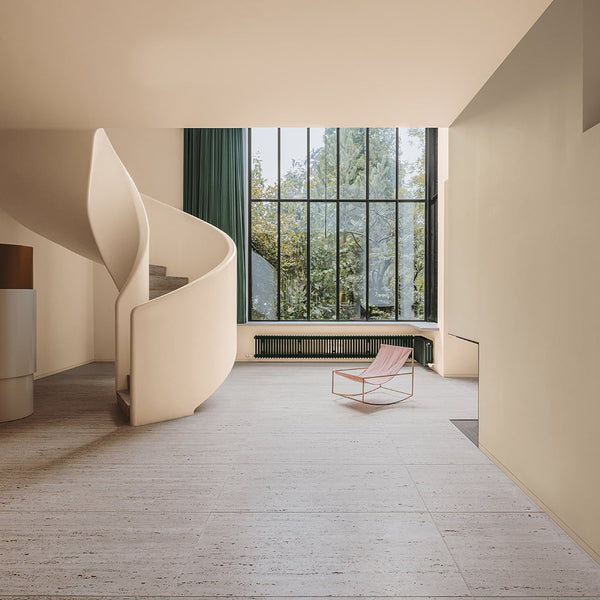
The Kerakoll Color Collection is an integrated project that includes innovative materials - resin, cement, handcrafted wood, microcoatings, paints, and glazes - coordinated on a single color palette.