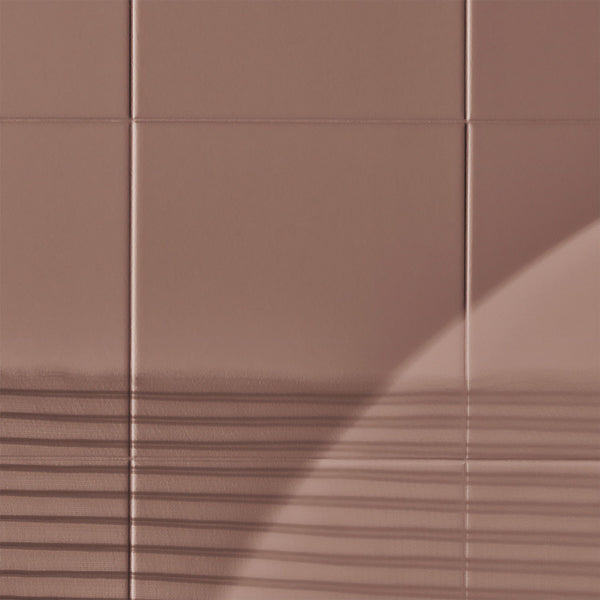
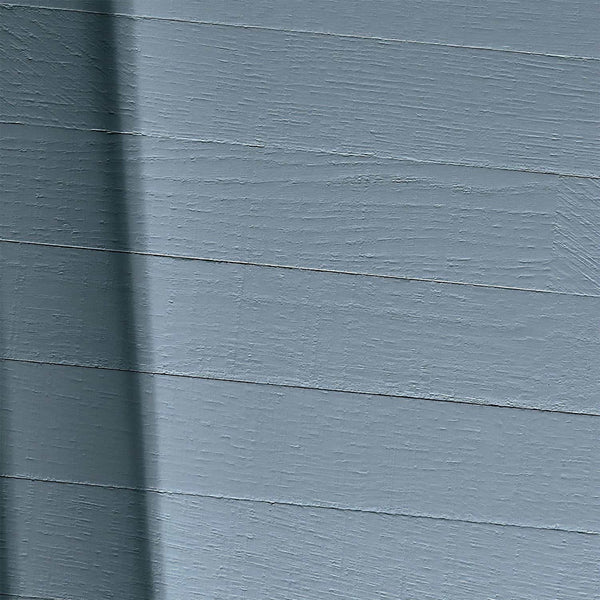
Painting an old wall may seem like a simple task — but the paint used in the previous layer is already working within the substrate: its absorbency is uneven, stains show through, and the new layer does not cover evenly either. The result: a blotchy, quickly aging surface, and within a few years, the same condition from which the renovation started.
Renovation paint is a specially formulated interior paint designed for old, worn, yellowed, stained, and unevenly absorbent substrates. It differs from regular topcoat paint in that it has greater coverage, stronger adhesion, and compensates for the substrate’s uneven absorbency — therefore, it provides a more even result on old walls with fewer layers.
Using renovation paint is recommended:
Renovation paint can be applied to existing solid, dry, clean, and adherent surfaces. Where the substrate is solid and loose parts can be removed, the entire renovation can be done without demolition or plaster replacement. This is a significantly more economical solution in terms of both time and material costs.
Renovation paint does not replace primer in every case. If the substrate has severe stains, moisture signs, or loose plaster, the substrate must first be repaired, then primed and coated. Renovation paint is the middle ground: the substrate is in acceptable condition but not ideal — and there is no reason for a full restart.
The question is not the price of the material — but the length of the work process. If using renovation paint delays repainting by a few years but avoids a full new job, the overall cost will be significantly lower.
Removing loose and dusty parts, covering stains with stain-blocking primer as needed, filling cracks, and checking the substrate’s dryness — without these, renovation paint will not provide a durable result. Good preparation can double the paint’s durability.
Browse our renovation paints or request advice to assemble the optimal solution based on the condition of your existing surface.
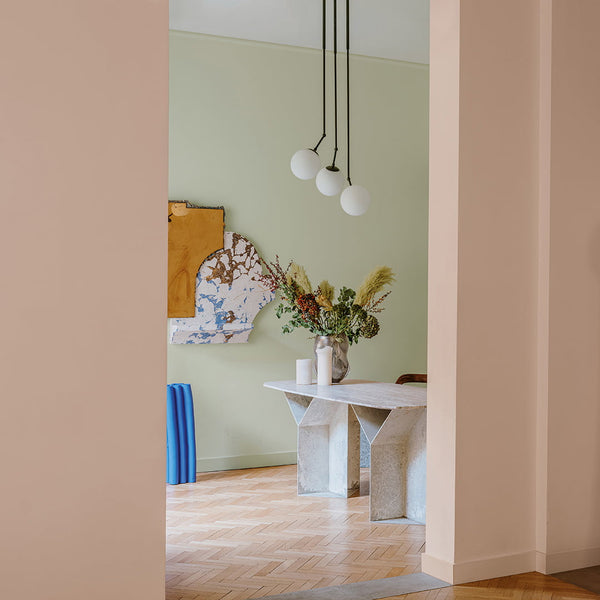
The Kerakoll Color Collection is an integrated project that includes innovative materials - resin, cement, handcrafted wood, microcoatings, paints, and glazes - coordinated on a single color palette.