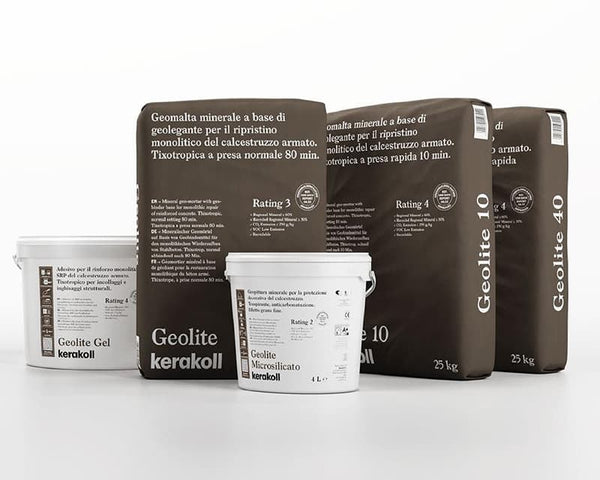
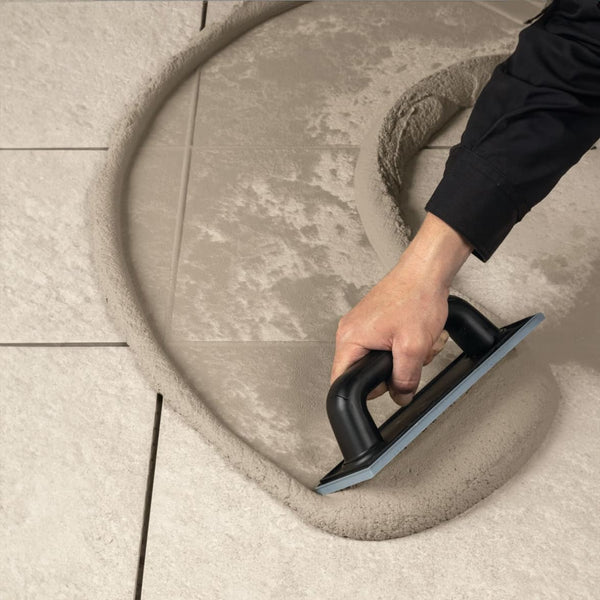
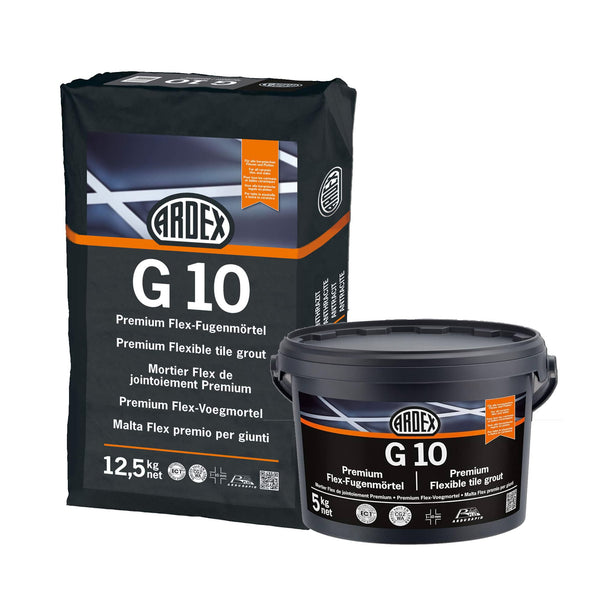
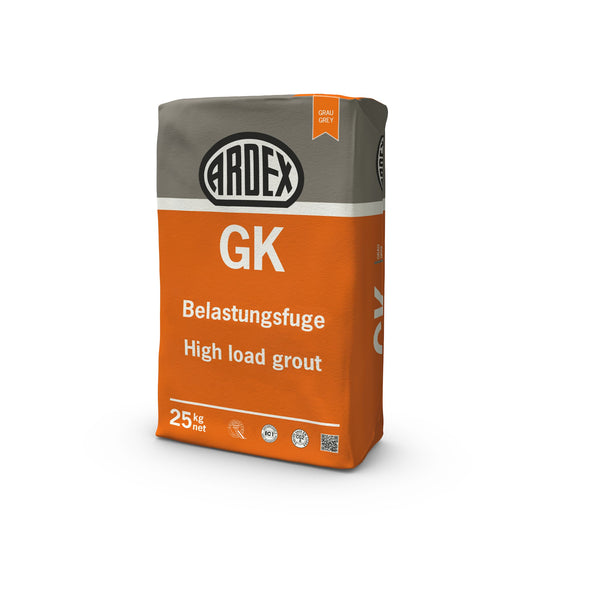
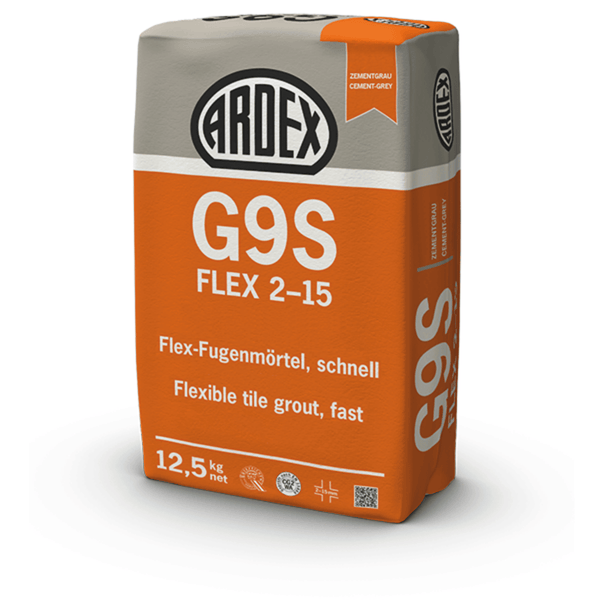
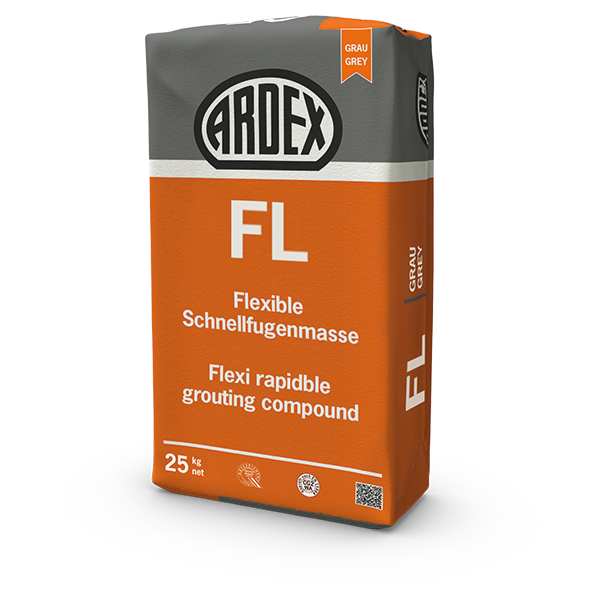
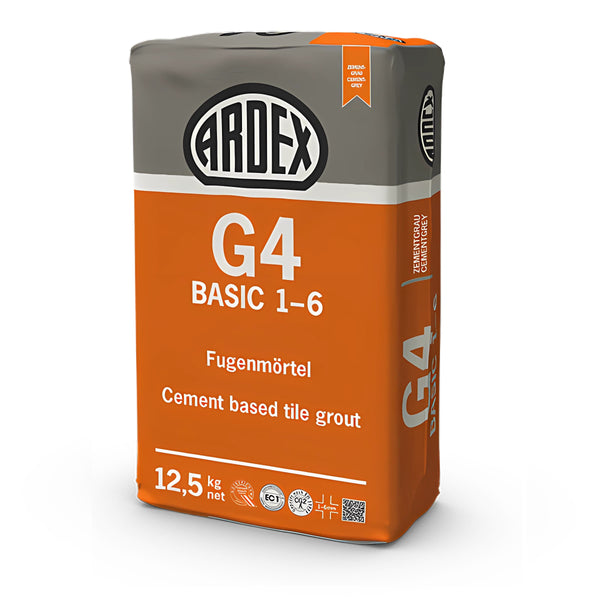
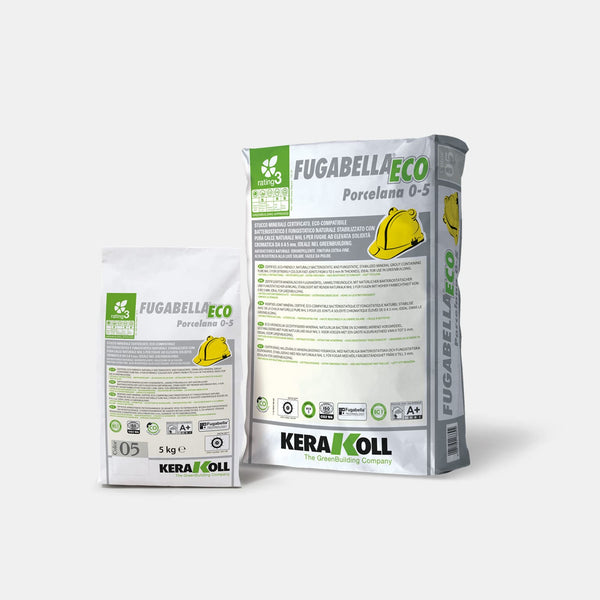
Cement-based grout is the most common grout material for tile and stone coverings in buildings and homes. Due to its low price, easy application, and wide range of uses, it is the standard solution for most indoor and outdoor coverings—provided that the space and load do not require higher performance.
Cement-based grout is a powder-based grout mixed with water, with cement as its binder. Its setting is a chemical process: the cement reacts with water, hardens, and solidifies. It forms a porous structure on the surface—this is its key feature alongside easy application and low cost, which should be considered before making a decision.
Cement-based grouts are available in two main grain size categories:
Fine grain version (for joint widths up to 0–3 mm): For mosaics, small-format tiles, and polished stone surface grouting. The fine grain does not scratch more sensitive surfaces.
Coarse grain version (for joint widths from 3–20 mm): For larger format tiles, natural stone, and outdoor coverings where the joint is wider.
For outdoor use—terraces, balconies, sidewalks, facades—a frost-resistant cement-based grout is required. Non-frost-resistant versions crack and crumble under moisture and freeze-thaw cycles, damaging the aesthetics and water resistance of the covering.
Cement-based grout is not recommended:
In these cases, epoxy or hybrid grout should be used.
After applying cement-based grout, the surface of the joint can be sealed with impregnation, which reduces the risk of staining and moisture absorption. Impregnation is not mandatory but highly recommended in wet rooms and for light-colored joints.
Browse our range of cement-based grouts or request advice to select the optimal grouting system based on the covering and space requirements.
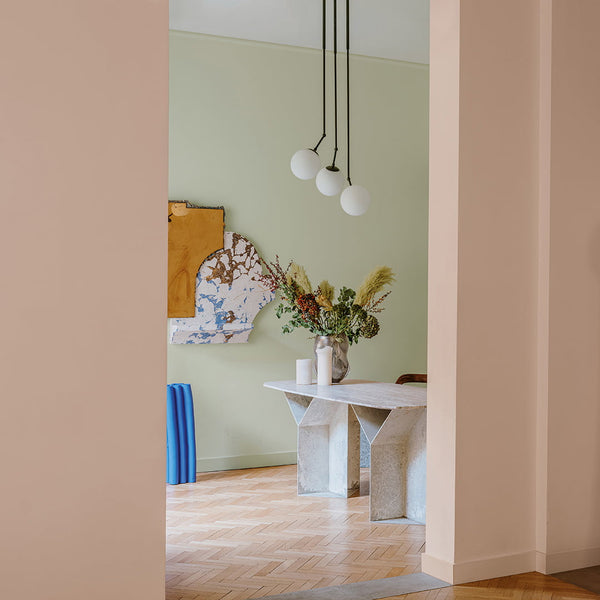
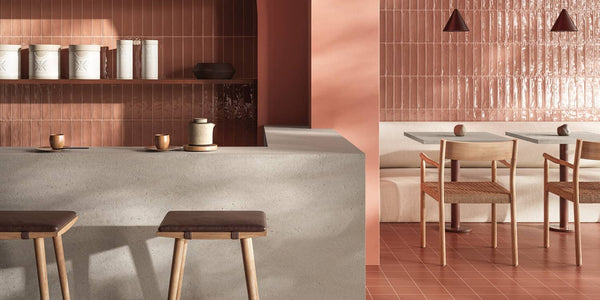
The Kerakoll Color Collection is an integrated project that includes innovative materials - resin, cement, handcrafted wood, microcoatings, paints, and glazes - coordinated on a single color palette.