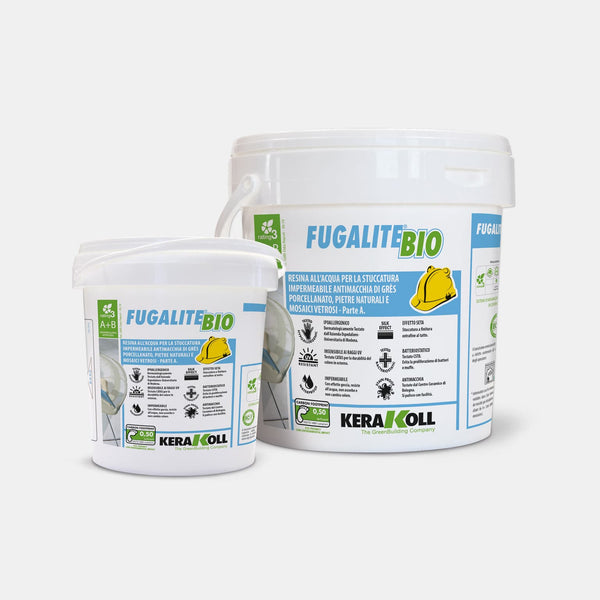
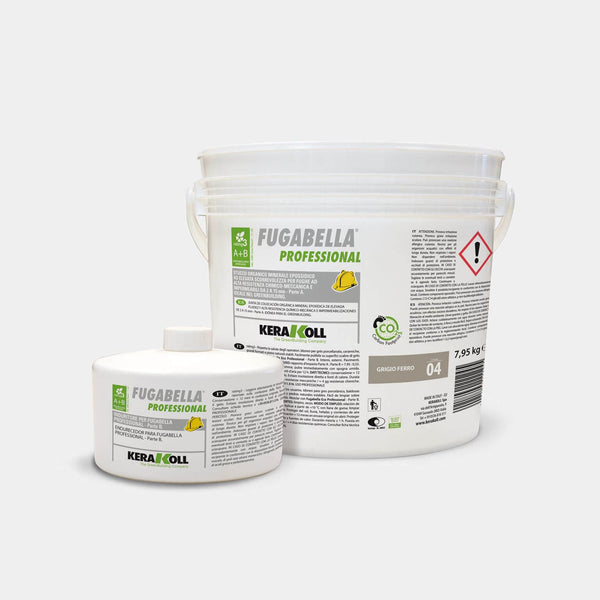
Epoxy grout is the highest-performance grouting system: designed for chemical exposure, continuous moisture, and intense mechanical stress. Where cement grout discolors and crumbles within months, epoxy grout maintains its original condition for years.
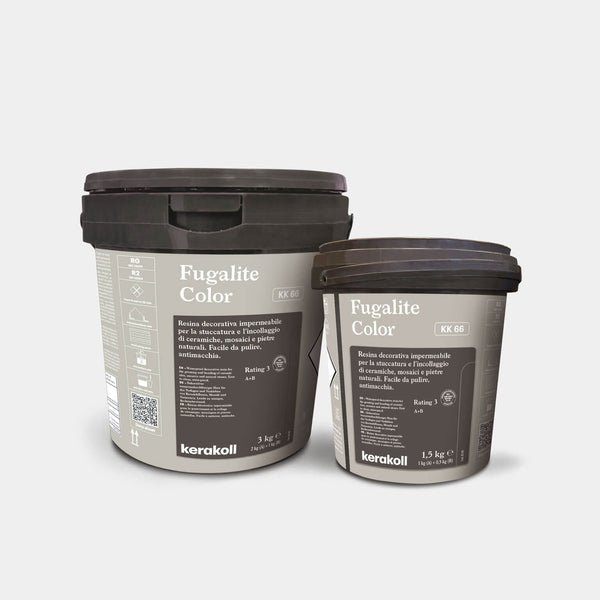
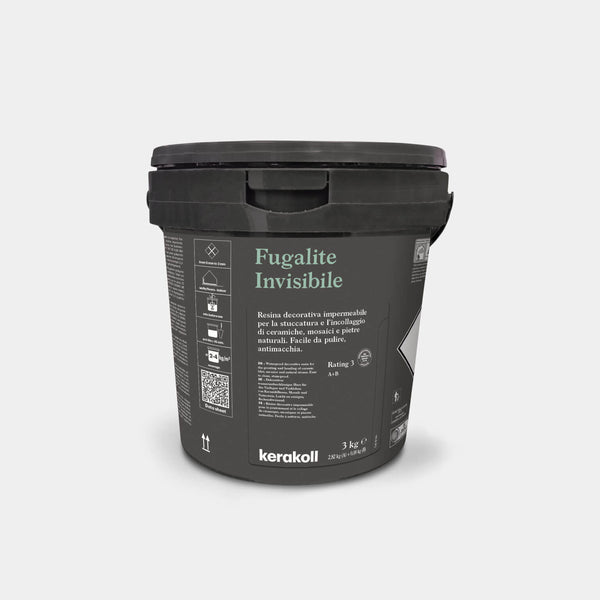
Epoxy grout is a two-component system: it consists of epoxy resin and a hardener component, which must be mixed in precise proportions before application. Its curing is based on a chemical reaction, resulting in a non-porous, sealed, chemical-resistant, and stain-resistant grout surface. It does not absorb dirt, is unaffected by acidic or alkaline cleaners, and does not crack due to temperature changes.
Epoxy grout is required in:
Applying epoxy grout requires professional expertise. For the two-component system, strict adherence to mixing ratios and working time (pot life) is mandatory—any deviation results in improper curing. The working time depends on temperature: it is shorter in warm conditions, requiring faster work over larger areas. Excess grout must be removed immediately after application—hardened epoxy grout is difficult to remove from the tile surface.
On some natural stone surfaces—especially porous and acid-sensitive stones—a test grouting should be performed before applying epoxy grout. Epoxy can discolor certain stone types due to penetration.
Epoxy grout is suitable for both indoor and outdoor use. UV-stable versions maintain color shade outdoors. Frost resistance is also an important factor for outdoor epoxy grout—this information is provided in the manufacturer's datasheet.
Browse our epoxy grout selection or request advice to choose the optimal grouting system based on the area's load and tile type.
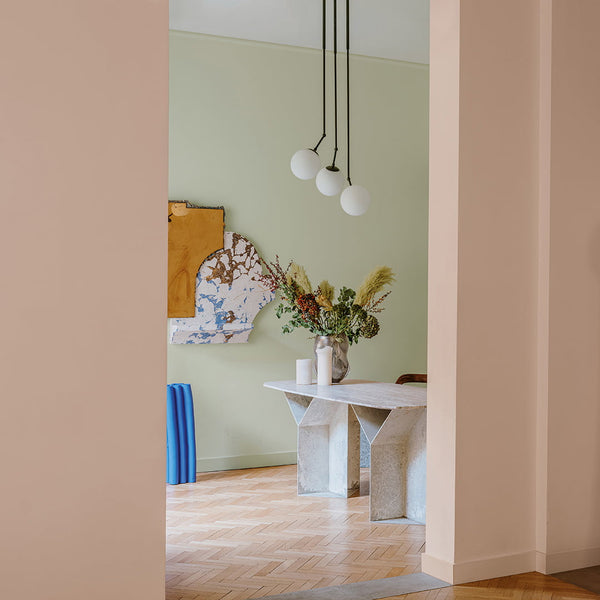
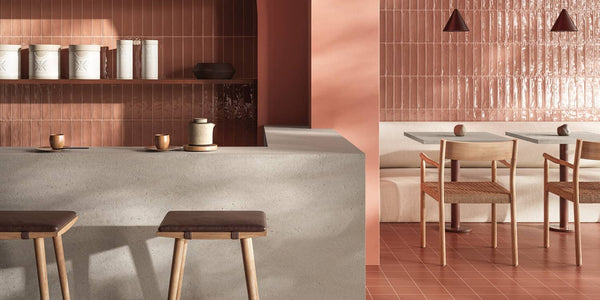
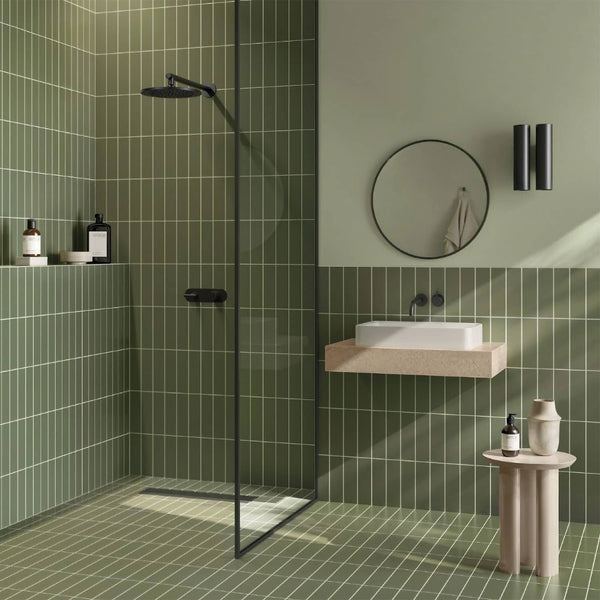
The Kerakoll Color Collection is an integrated project that includes innovative materials - resin, cement, handcrafted wood, microcoatings, paints, and glazes - coordinated on a single color palette.