The base plaster is the first plaster layer on the building's walls — the straight, solid substrate onto which the finishing layers are applied. Its quality and proper composition determine whether the smoothing plaster, putty, and paint above it remain durable or peel off after a few years.
Base plaster is a plaster mortar with a cement, lime, gypsum, or combined binder, applied to the surface of masonry or concrete to even out uneven wall surfaces and create a uniform plaster level inside the building. Its thickness typically ranges from 10 to 25 mm, depending on the wall type, unevenness, and the requirements of the finishing layer.
Cement base plaster: For outdoor use, damp interior spaces, and where mechanical strength is a priority. Strong, durable, dries more slowly.
Lime-cement base plaster: Vapor-permeable, more flexible than pure cement, suitable for old brick and stone masonry where breathability is required.
Gypsum base plaster: Fast drying, easy to smooth, for dry indoor spaces. Not suitable for moisture or outdoor use.
Machine-applied plaster: Applied by machine, efficient for large surface projects. It must meet the same performance requirements as hand-applied plaster — machine application increases work speed, not quality.
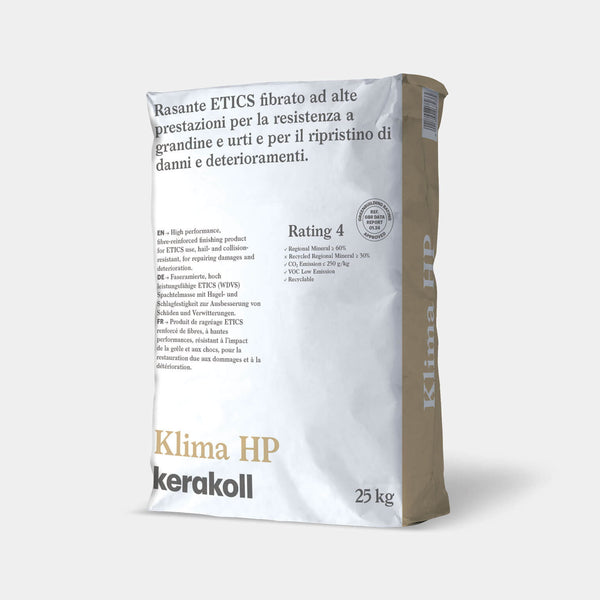
In ETICS thermal insulation facade systems, the base plaster provides the adhesion substrate for the ETICS adhesive and insulation board. Strength, absorbency, and surface evenness directly affect board adhesion. ETICS cannot be installed on loose, dusty, or highly absorbent base plaster without a primer.
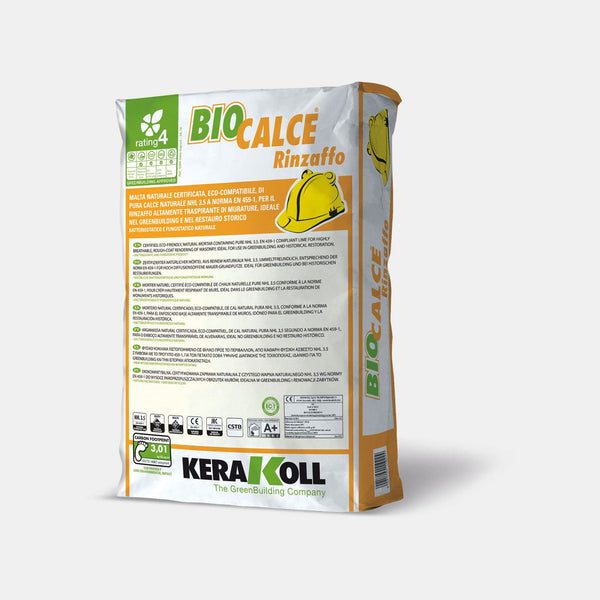
Browse our base plasters or request advice to select the right material for your wall type and plaster layering system.
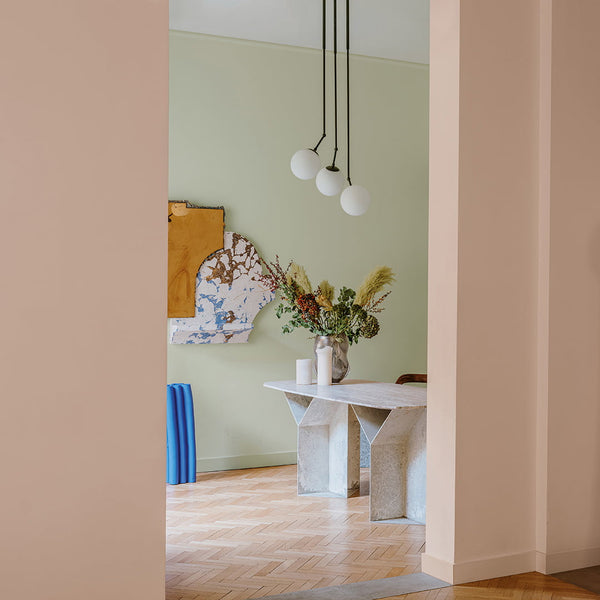
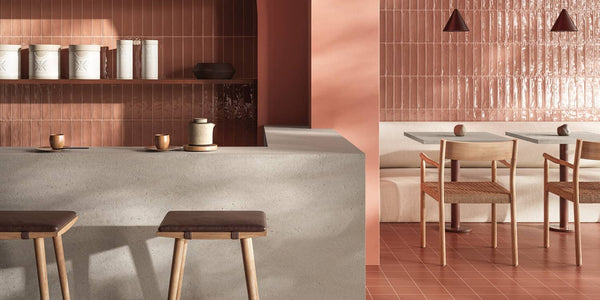
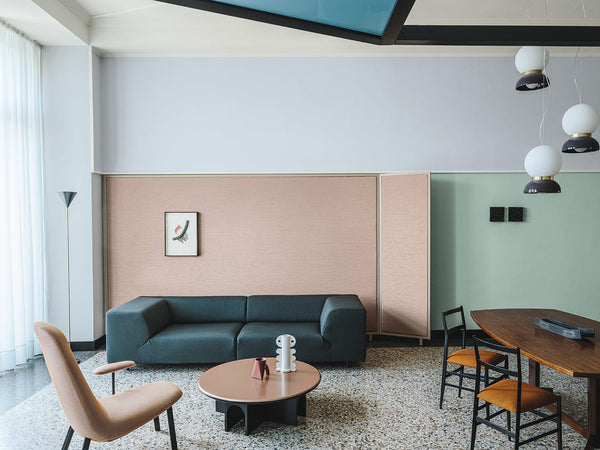
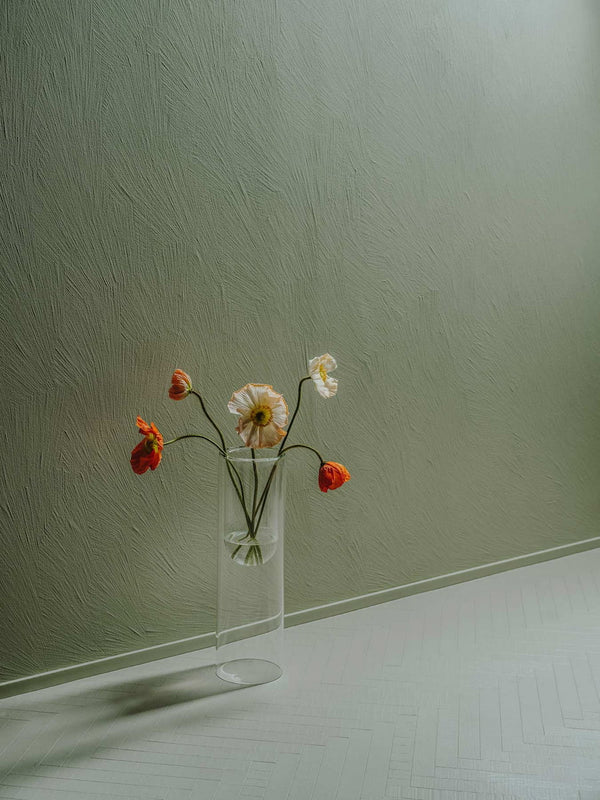
The Kerakoll Color Collection is an integrated project that includes innovative materials - resin, cement, handcrafted wood, microcoatings, paints, and glazes - coordinated on a single color palette.