Some surfaces are not meant to be decorated — they need protection. Outdoor terraces, underground garages, industrial floors, laboratory work surfaces: on these, resistance to load, chemicals, and UV radiation is the primary requirement, with appearance being secondary. If the coating lacks the necessary technical parameters, the aesthetics won’t last long either.
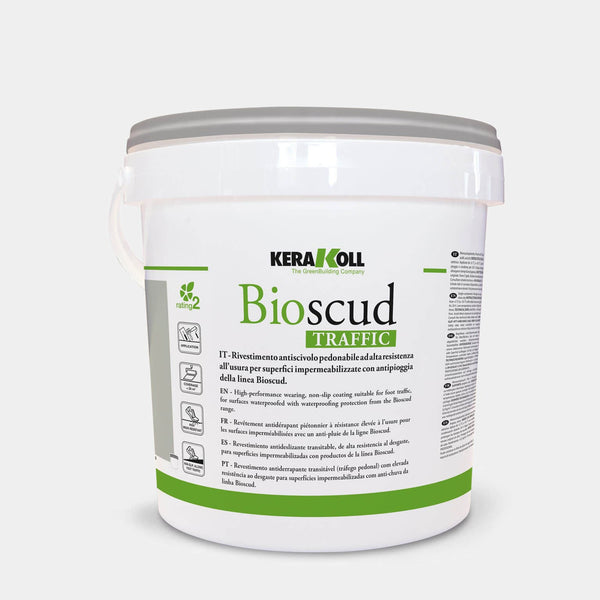
A protective coating provides durable physical and chemical protection to the substrate while also improving the surface’s appearance. Its functions include: wear resistance against mechanical abrasion, friction, and load; chemical resistance against oil, grease, acidic cleaners, and industrial chemical spills; UV stability for outdoor use to maintain color and surface durability; and slip resistance on wet and greasy surfaces to reduce accident risks.
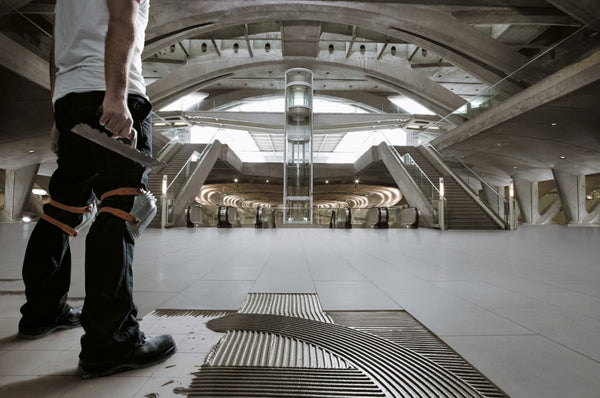
On industrial and commercial floors in warehouses, factories, car showrooms, and busy commercial spaces, the daily wear load on the floor is many times higher than that of an average residential floor. On outdoor terraces and balconies, the combination of frost, UV radiation, and rainwater stresses both the substrate and the covering. In laboratory and food industry surfaces, where chemicals cause regular exposure and cleaners have strong effects, a chemical-resistant coating is necessary.
The protective coating system usually consists of more than one material: a reactive primer, one or more intermediate layers, and a final topcoat. The coating cannot be stronger than the substrate underneath: coatings over brittle, dusty, wet, or oily concrete will not hold. Substrate preparation — blasting, degreasing, moisture measurement — is a mandatory first step of the system.
Browse our protective coatings or request advice to assemble a system suited to your surface and load type.
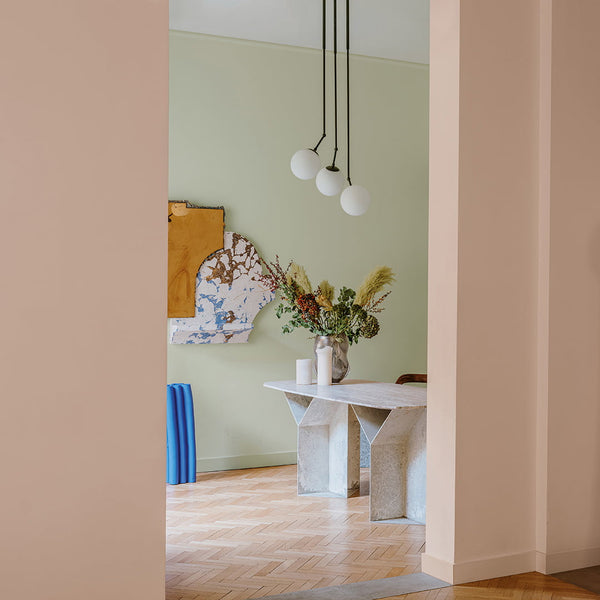
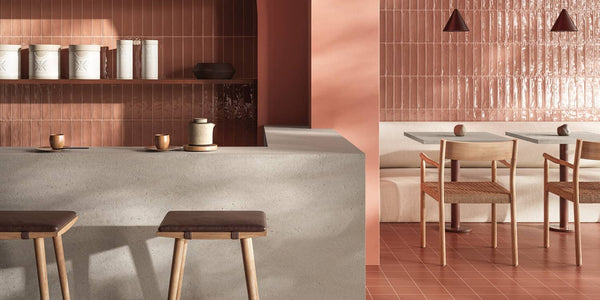
Kerakoll Color Collection is an integrated project featuring innovative materials—resin, cement, handcrafted wood, microcoatings, paints, and glazes—all coordinated within a single color palette.