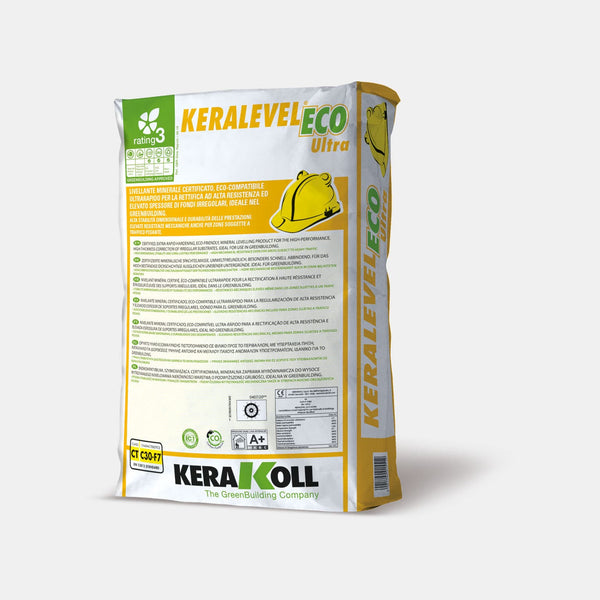
There are projects where a 24-hour curing time does not fit into the schedule. Renovating a hotel room that must be ready by the evening. A commercial space that needs to open in the morning. Office renovations squeezed into the weekend. In these cases, you shouldn’t compromise on material quality — you need a fast-curing leveling compound.
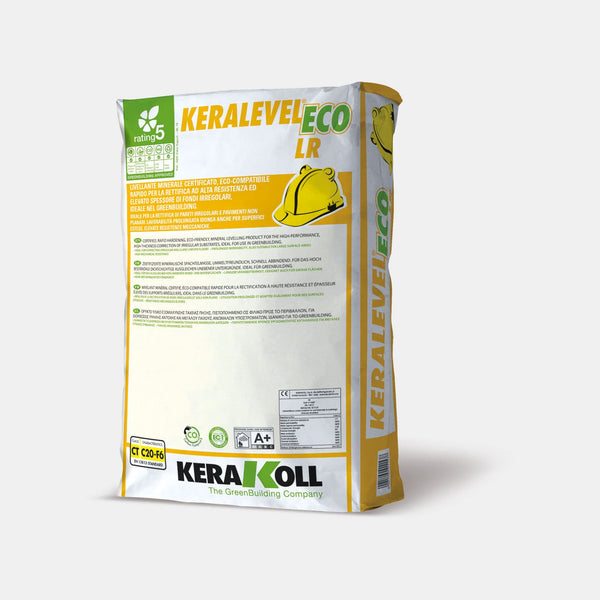
A fast-curing screed leveling compound is a cement-based product with a special binder composition that reaches the strength required for tiling in a significantly shorter curing time compared to its normal-curing counterpart. After 2–4 hours, tiles, vinyl, parquet, and other floor coverings can be installed on it.
The most common misunderstanding: using a fast-curing leveling compound does not eliminate the substrate preparation steps. Priming, removing loose and dusty parts, and repairing cracks are just as mandatory as with normal-curing leveling compounds. Fast curing shortens the waiting time — not the work phases.
Fast-curing leveling compounds are used for:
The difference is not in quality but in function. Fast-curing leveling compounds are generally more expensive and have a shorter working time — meaning you must work quickly from mixing to application and smoothing. In inexperienced hands, this can lead to quality issues. Fast-curing leveling compounds always require professional application.
A self-leveling fast-curing version is also available, which minimizes manual smoothing and guarantees an even surface over large areas.
Fast-curing screed leveling compounds are typically applied in layer thicknesses of 3–30 mm. Compatibility with underfloor heating systems depends on the product — always check the manufacturer’s documentation for this. It is compatible with calcium sulfate screeds, but a version specifically developed for this purpose is required.
Browse our fast-curing leveling compounds or request advice to select the optimal material based on your timeframe and substrate.
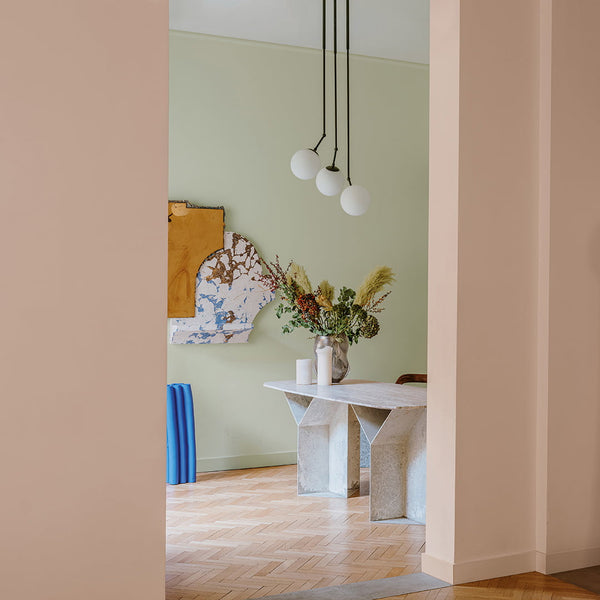
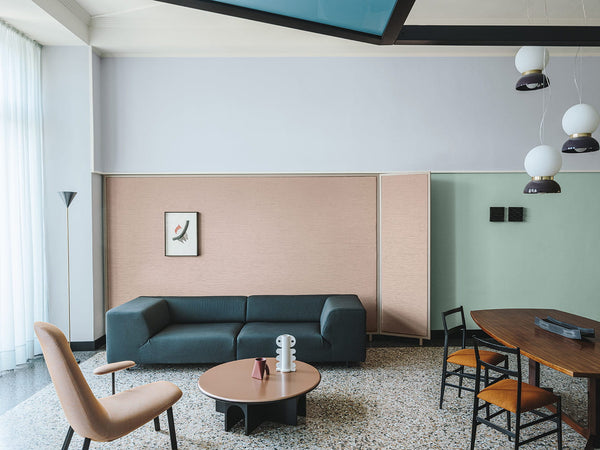
Kerakoll Color Collection is an integrated project featuring innovative materials—resin, cement, handcrafted wood, microcoatings, paints, and glazes—all coordinated within a single color palette.