Facades cannot be repainted every few months. The work done must last for years — UV radiation, precipitation, freeze-thaw cycles, biological coatings, and the normal movement of the building together create a real test environment. Choosing a facade paint accordingly does not start with considering color and price — but by mapping the substrate type and the demands on the surface.
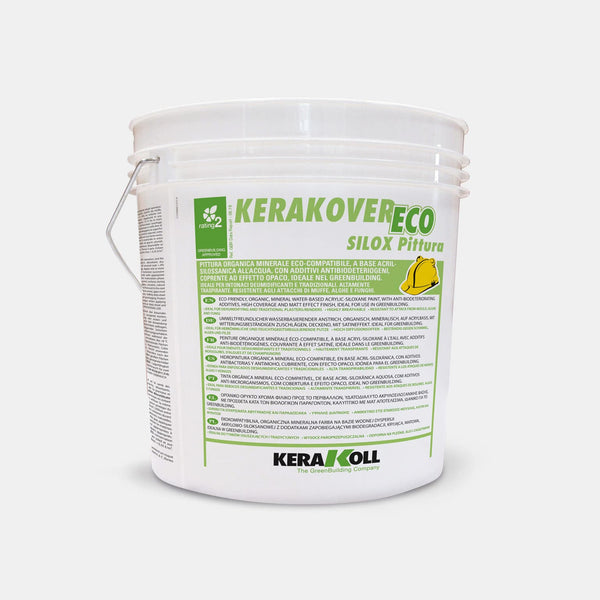
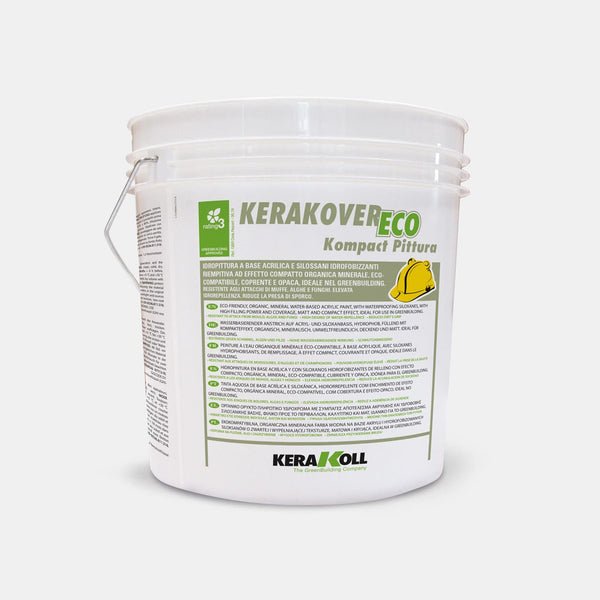
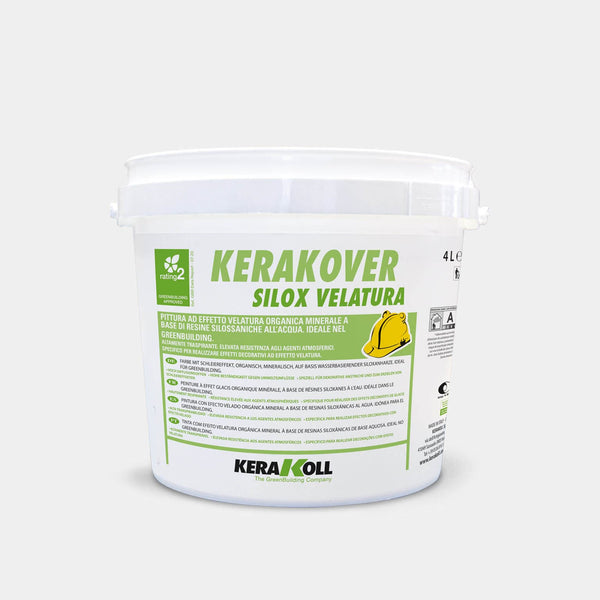
Siloxane facade paint: The siloxane molecule provides a water-repellent effect, causing rainwater to bead off rather than being absorbed into the facade. It has good UV stability and a long cleaning cycle — biological coatings (algae, fungi, moss) find it harder to settle on it. Widely used on new and renovated facades.
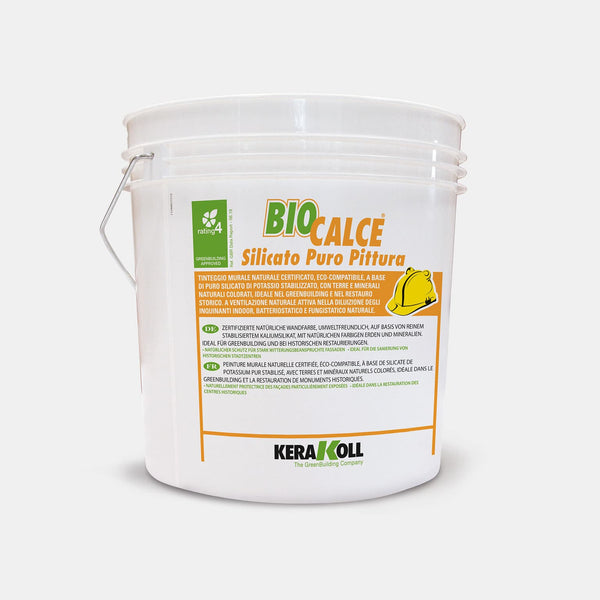
Silicate facade paint: Bonds chemically to mineral substrates, forming a non-peeling film layer. It has the highest vapor permeability among facade paints. The top choice for historic buildings, old brick walls, and adobe facades — where the breathability of the wall must not be sealed. WTA-compatible.
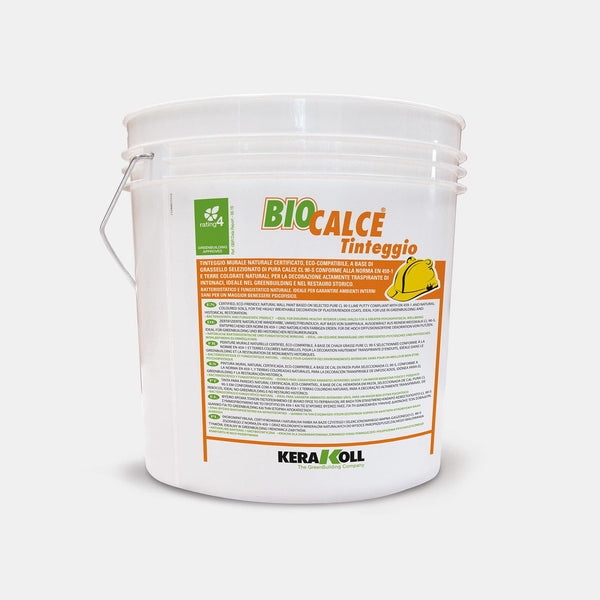
Lime paint on facades: Traditional mineral technology with outstanding vapor permeability and natural antibacterial properties. Mainly used on historic buildings, stone and brick facades, and adobe structures where preserving the original material and technology is important for conservation.
The facade masonry is also damp from the inside: humidity, thermal bridges, and internal condensation all produce moisture in the wall. If the exterior paint does not allow this to pass through, moisture accumulates and can cause cracking and blistering in the plaster due to freezing. With vapor-permeable facade paint, moisture can evaporate — keeping the plaster and masonry dry.
Algae, moss, fungi, and lichens on the facade are not just an aesthetic problem: they produce organic acids that gradually corrode the plaster and brick surface. In biologically active environments (shaded facade sides, buildings in high humidity), facade paint containing biocides should be used — but the root causes of biological coatings (moisture, shade, porous plaster) must also be addressed, not just the symptoms.
The durability of facade paint depends on preparation. Loose, crumbling, biologically infected plaster must first be repaired, cleaned, and stabilized. Applying paint to a damaged substrate is a waste of time and money. Survey and preparation planning are the first steps.
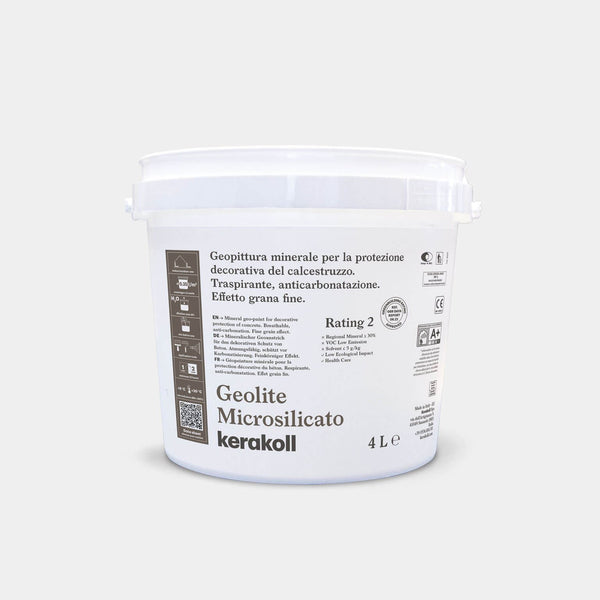
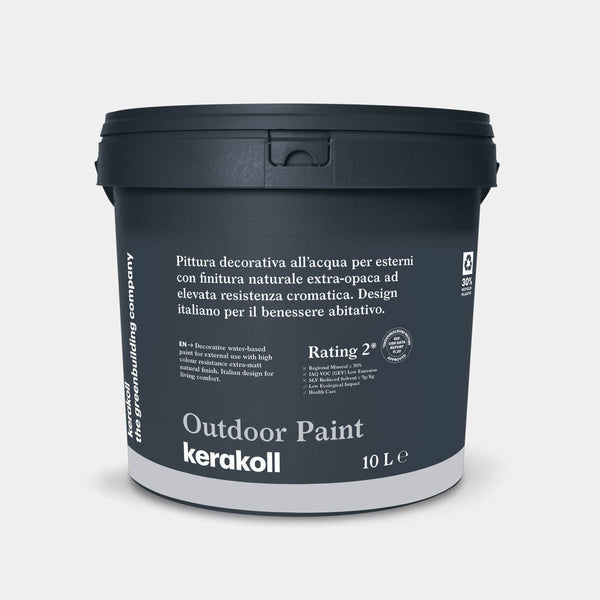
Browse our facade paints or request advice to assemble a system suited to your facade substrate and its demands.
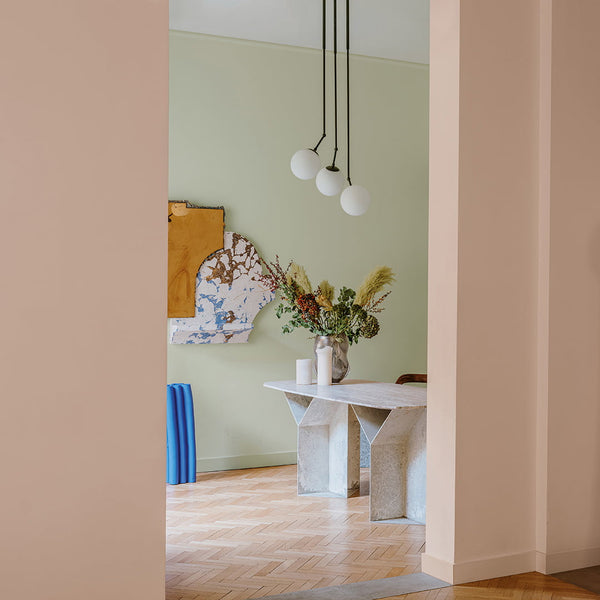
The Kerakoll Color Collection is an integrated project that includes innovative materials - resin, cement, handcrafted wood, microcoatings, paints, and glazes - coordinated on a single color palette.