Traditional cement grout is durable but stains easily and is difficult to clean. Epoxy grout is chemical-resistant and stain-resistant but harder to apply and more expensive. Hybrid grout combines the advantages of both technologies: cement-based ease of application with epoxy-level stain resistance and chemical cleaning resistance.
Hybrid grout is a grouting system made from a combination of cement and reactive resin components. It does not require the precise two-component mixing of epoxy grout, but its performance — stain resistance, chemical cleaning-resistant surface, flexibility — significantly surpasses that of traditional cement grout. Suitable for both interior and exterior use.
Hybrid grout is an ideal choice:
Cement grout has a porous structure: it absorbs liquids, grease, and other contaminants. Over time it discolors and is hard to clean. Hybrid grout has a closed surface: dirt does not absorb but can be removed. It is also more flexible, reducing the risk of grout cracking due to temperature movement.
Hybrid grouts are typically suitable for joint widths from 1 to 15 mm — covering typical joint sizes for ceramic and porcelain tiles, natural stone, and mosaics. The minimum and maximum joint widths for each product are specified in the manufacturer’s datasheet.
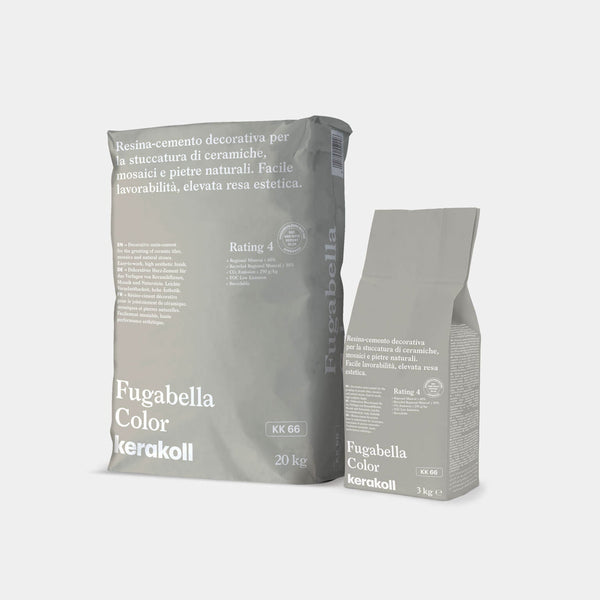
Hybrid grouts are available in a wide range of colors. Some grout systems come in extensive color selections and can be ordered in coordinated shades with complementary sealants — allowing grout and silicone sealant to be matched.
Browse our hybrid grouts or request advice to select the right grout for your tile type and space usage.
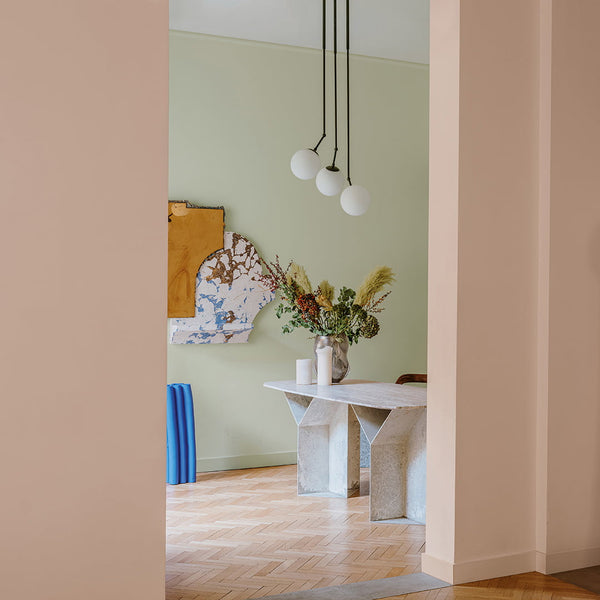
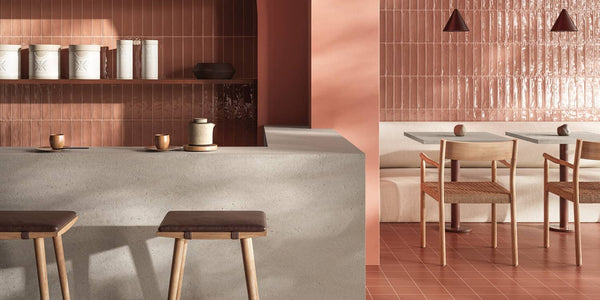
The Kerakoll Color Collection is an integrated project that includes innovative materials - resin, cement, handcrafted wood, microcoatings, paints, and glazes - coordinated on a single color palette.