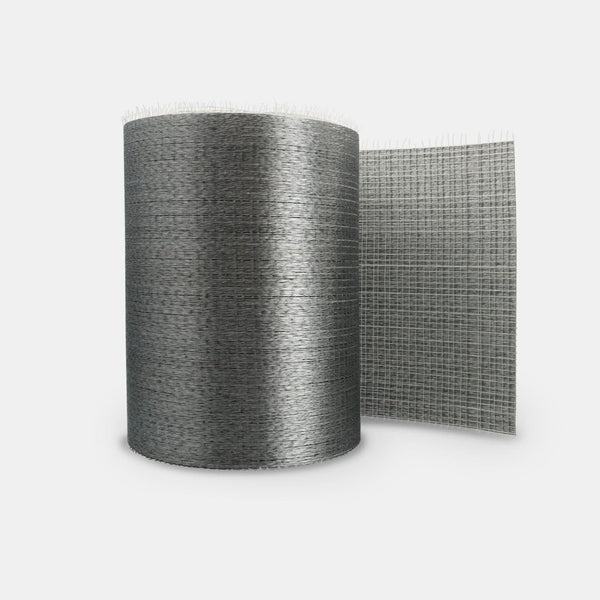
FRP (Fibre Reinforced Polymer) reinforcement is one of the highest-performing tools in modern structural renovation: it combines extremely high tensile strength, minimal weight, corrosion resistance, and a thin application layer. Where traditional reinforced concrete or steel reinforcement is hindered by weight, corrosion sensitivity, or installation difficulties, the FRP system provides a solution.
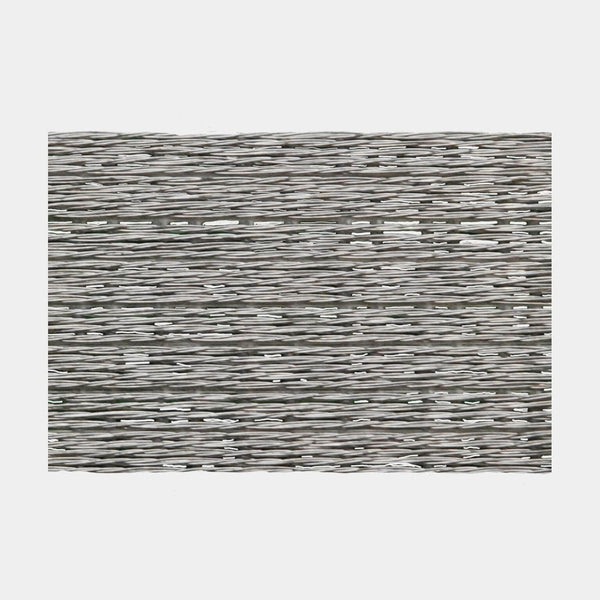
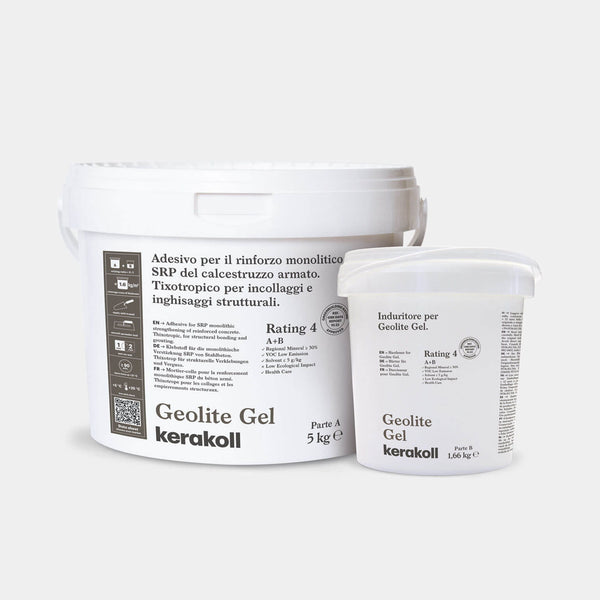
The FRP reinforcement system consists of fabrics or laminates made from carbon fibers (CFRP), glass fibers (GFRP), or aramid fibers (AFRP), embedded in an epoxy or other reactive resin matrix applied to the surface of the structure. The fibers provide exceptional tensile strength, while the resin matrix transfers the load to the structure and protects the fibers.
For bending reinforcement of reinforced concrete beams and slabs: Carbon fiber laminates or fabrics placed at the bottom of the beam or in the tension zone of the slab significantly increase bending capacity — useful for load increase or compensating for original design deficiencies.
To increase compressive strength and ductility of reinforced concrete columns: Carbon fiber fabric wrapped around the column (confinement) enhances the transverse support of the column, improving both compressive strength and deformation capacity (ductility) — especially important for seismic reinforcement.
For reinforcement of masonry and brick structures: Glass and carbon fiber fabrics applied to the wall surface increase the load capacity perpendicular to the plane of the masonry — critical for facades at risk of collapse and zones above openings.
For reinforcement of bridges and engineering structures: where increased loads or structural wear require strengthening interventions, but increasing the element’s weight is limited.
Steel reinforcement is prone to corrosion and heavy. FRP is corrosion-resistant, weighs a fraction of steel, and provides equivalent or higher tensile strength. Its drawback: its modulus of elasticity is lower than steel’s (except for carbon fiber), and material costs are higher. The decision depends on the required reinforcement method, site conditions, and economic considerations.
Browse our FRP reinforcement systems or request advice to select the system best suited to your structure type and reinforcement goals.

The Kerakoll Color Collection is an integrated project that includes innovative materials - resin, cement, handcrafted wood, microcoatings, paints, and glazes - coordinated on a single color palette.