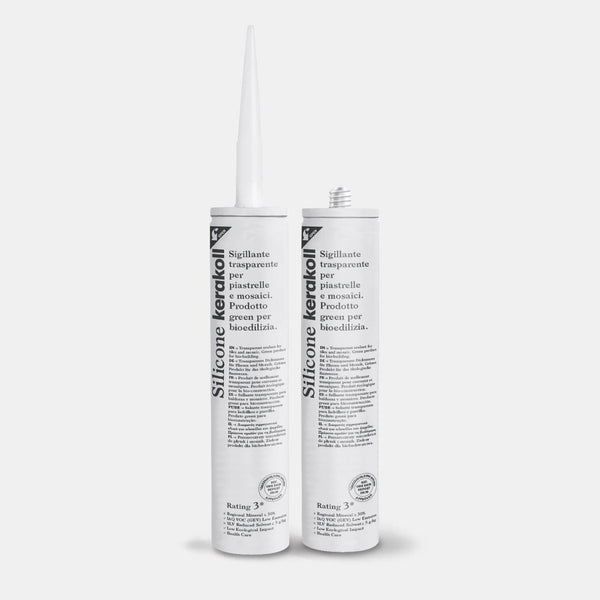
Silicone sealant is the essential material for bathroom and kitchen joints: waterproof, flexible, durable, and resistant to cleaning agents. Proper silicone application—along grout edges, at tile and sanitary ware joints, and along the edges of bathtubs and shower trays—prevents water from seeping behind the tiles, where mold and structural moisture could develop.
Silicone sealant is a siloxane-based flexible sealing material that, once cured, offers high elasticity, water resistance, and temperature stability. It is not paintable—this is the only significant difference compared to MS-polymer adhesive sealants, but it is more durable on moving wet joints.
Sanitary (antibacterial) silicone: For bathrooms, showers, next to bathtubs, and around sinks. Contains an additive that prevents mold and fungi growth on the silicone surface—especially important in damp indoor environments.
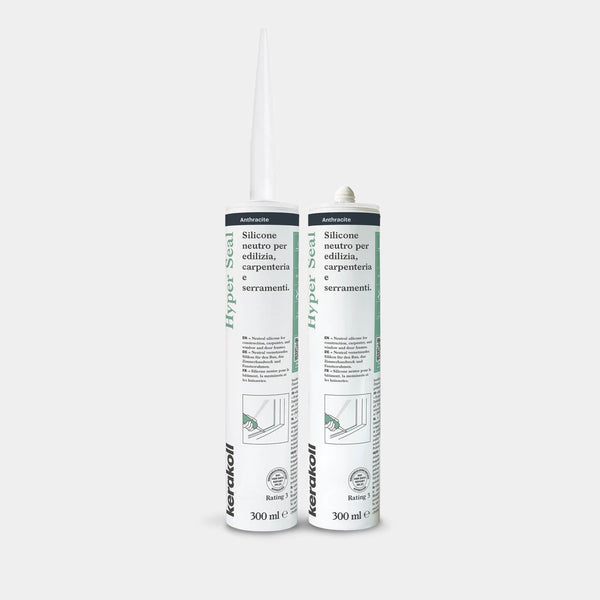
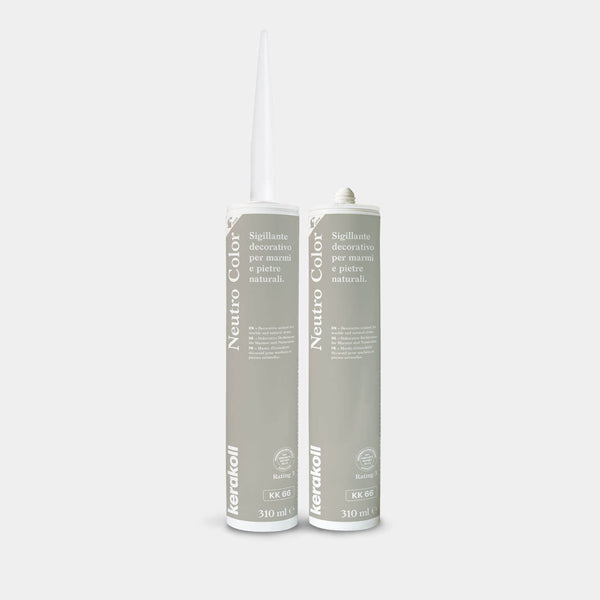
Neutral cure silicone: Used next to sensitive materials such as marble, natural stone, mirrors, and metal. Acetoxy (acid) silicone can discolor or etch these materials.
Acetoxy silicone: For general indoor joints where the substrate is acid-resistant (ceramic, glass, PVC). Its strong vinegar smell indicates acetoxy curing—should be used in well-ventilated spaces.
UV-resistant outdoor silicone: For window frames, facade joints, and outdoor metal structures where UV radiation would make standard silicones brittle over time.
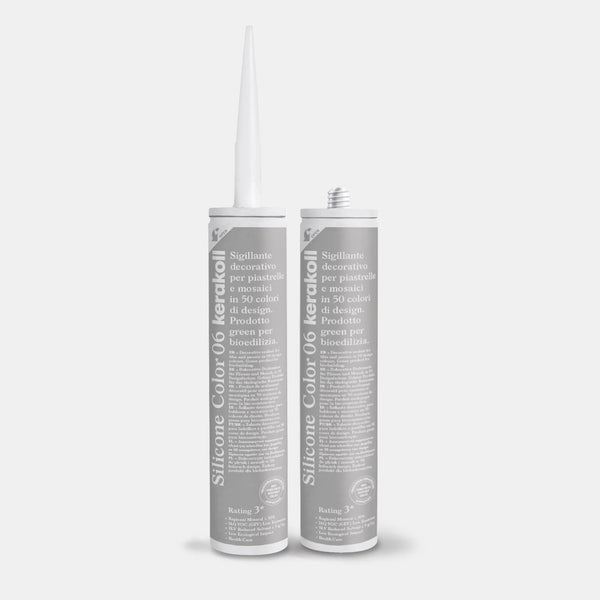
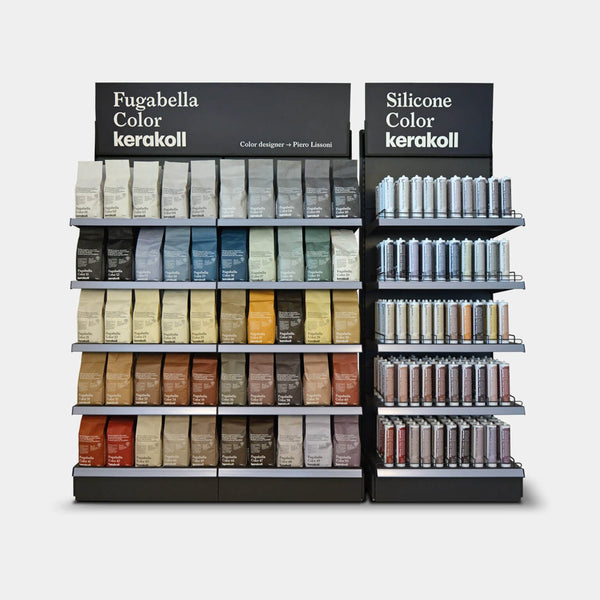
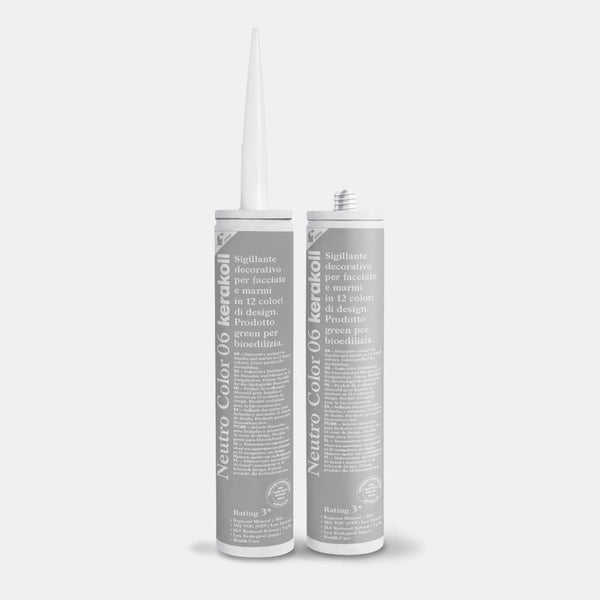
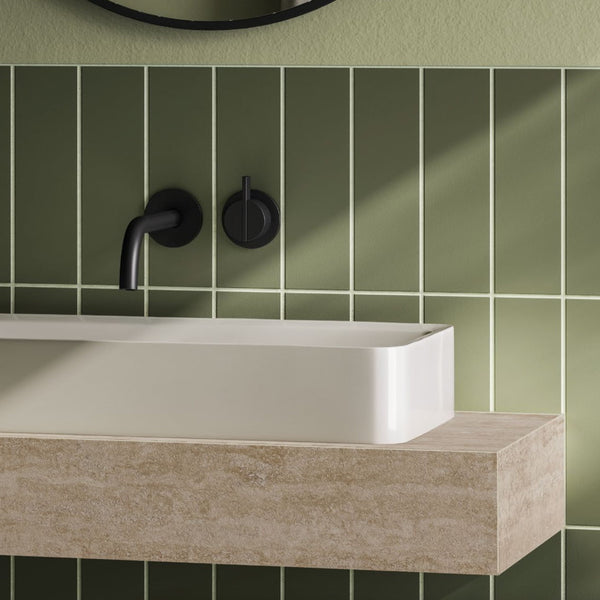
Silicone sealants are available in a wide range of colors. In some systems, silicone, grout, and complementary sealants can be coordinated from the same palette—allowing the silicone used at the bathtub edge and the floor grout shade to be matched.
Silicone joints should be replaced if they age, suffer mechanical damage, or develop mold. Complete removal of the old silicone is mandatory—new silicone will not adhere permanently over old silicone.
Browse our silicone sealants or request advice to select the right silicone for your joint type and tile system.
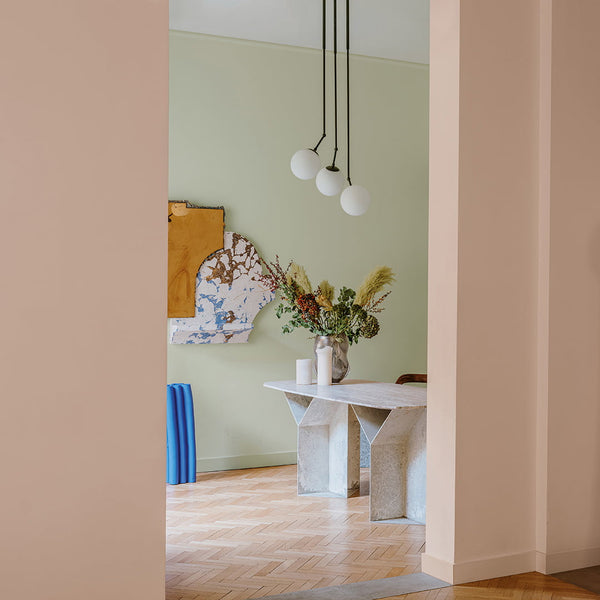
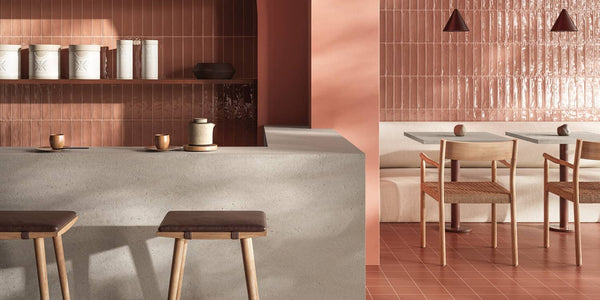
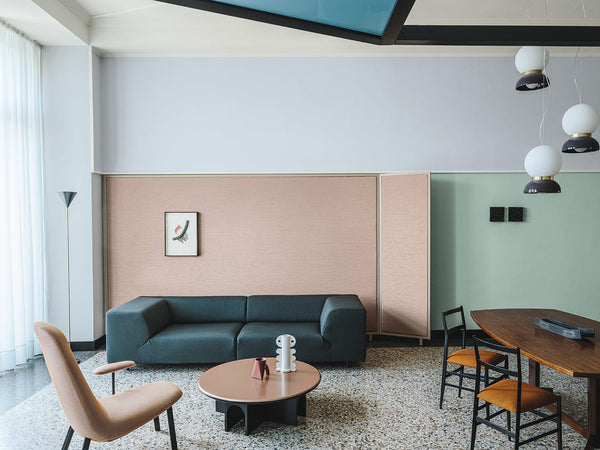
The Kerakoll Color Collection is an integrated project that includes innovative materials - resin, cement, handcrafted wood, microcoatings, paints, and glazes - coordinated on a single color palette.