Masonry mortar is the binder that unites bricks, blocks, and stone elements into a cohesive structure. Choosing the right mortar is not just a matter of strength: the mortar’s flexibility, vapor permeability, and chemical compatibility with the masonry units determine whether the building can move without the masonry cracking.
Cement-based mortar: For modern brick, concrete block, and structural masonry. High strength, fast setting. Strength classes are indicated by M5, M10, M15, M20 — the class defines the minimum compressive strength.
Lime-cement mortar: Lower strength, more flexible, and more vapor-permeable than pure cement. Used for repairing old brick masonry where the mortar strength must match the strength of the masonry units.
NHL (natural hydraulic lime) mortar: Binder for historic buildings, heritage brick, and stone masonry. WTA-compatible, breathable, vapor-permeable, and compatible with old, soft bricks. Where cement-based mortar would crack soft bricks, NHL mortar is suitable.
Special thin-bed mortar is required for aerated concrete (AAC) blocks: layer thickness is 1–3 mm, with fine grain size. The thin joint layer reduces the risk of thermal bridging and improves the thermal insulation performance of the masonry.
Stronger is not always better. In hard cement-based mortar, the masonry unit is the weakest element — due to movement and thermal expansion, the brick cracks, not the joint. With mortar of appropriate strength, the stress concentrates in the joint, where it can be repaired, not in the brick, where it cannot.
Browse our masonry mortars or request advice to select the mortar suitable for your masonry units and building type.
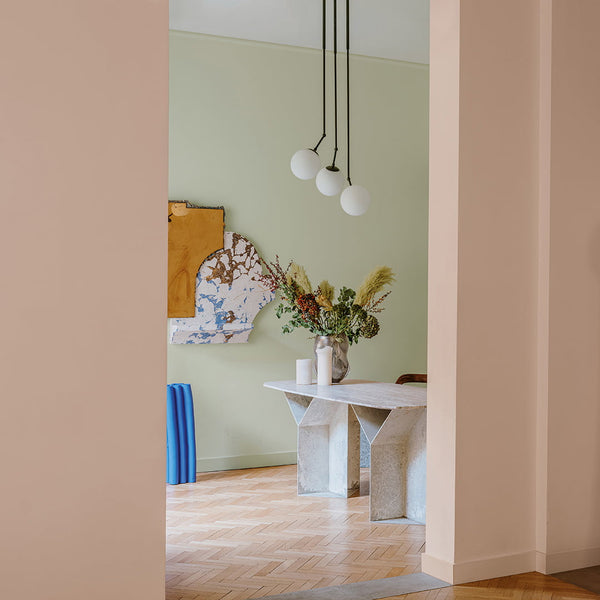
The Kerakoll Color Collection is an integrated project that includes innovative materials - resin, cement, handcrafted wood, microcoatings, paints, and glazes - coordinated on a single color palette.