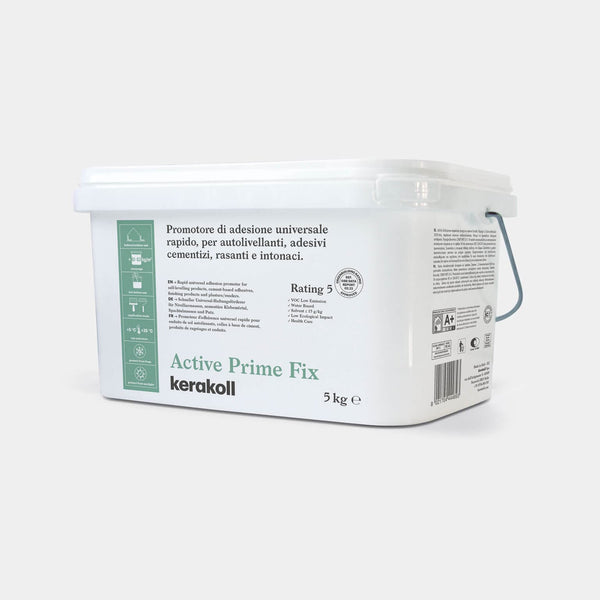
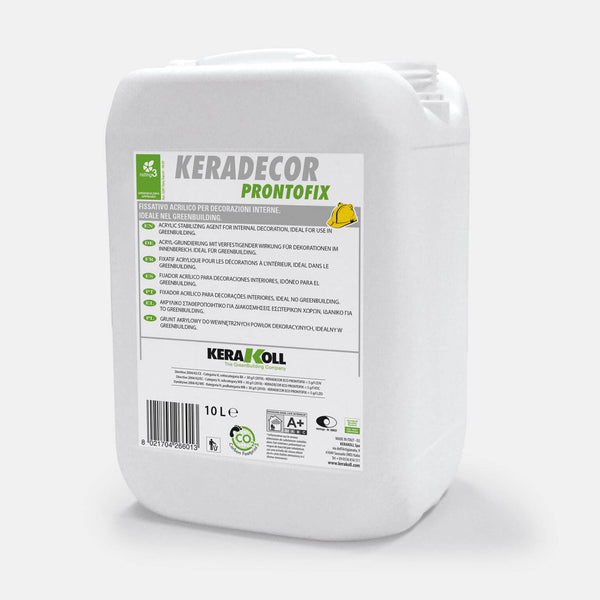
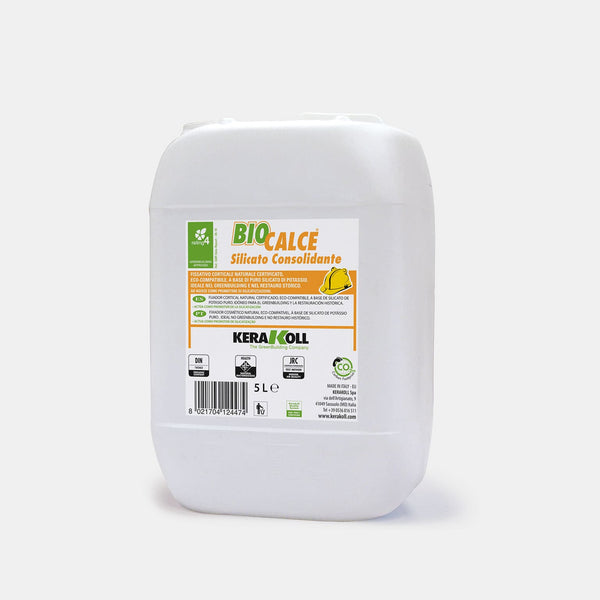
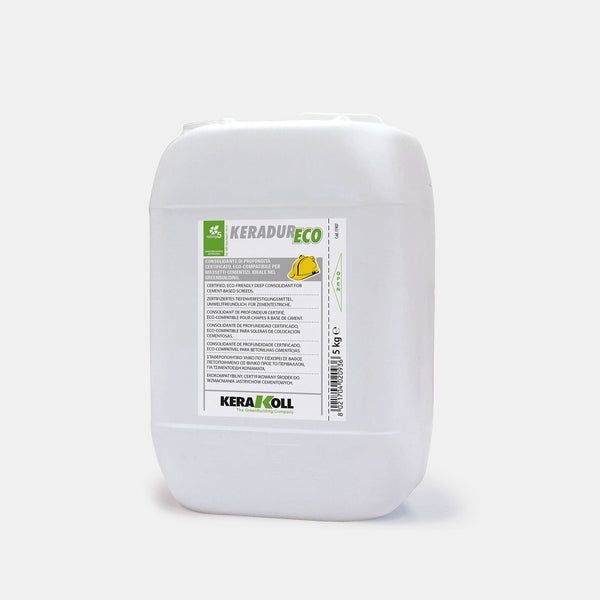
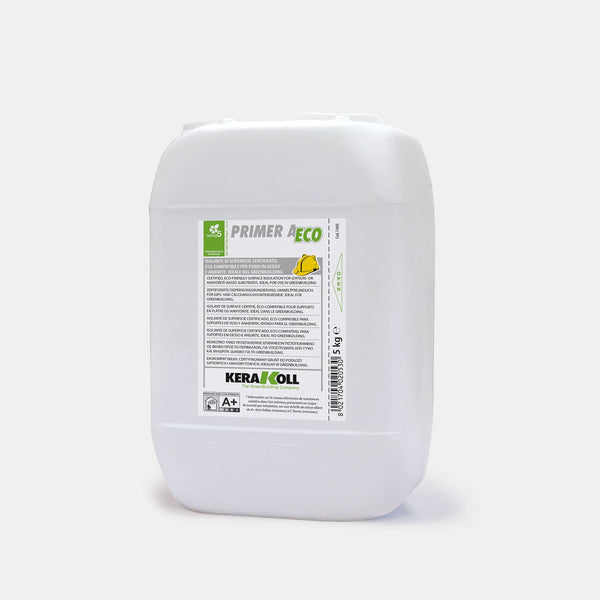
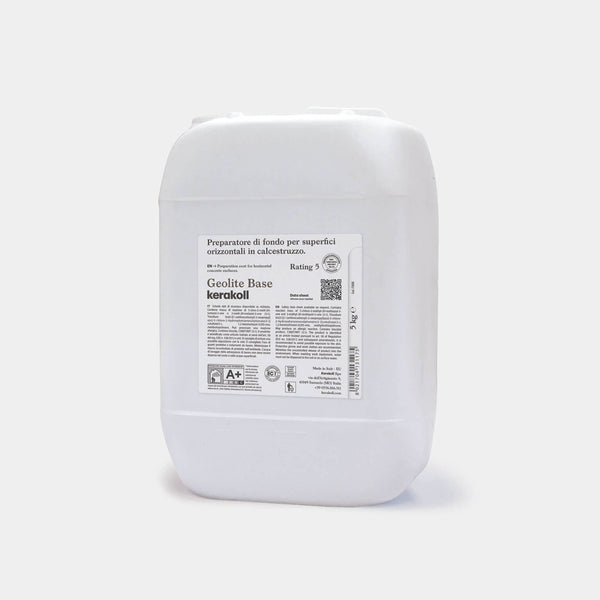
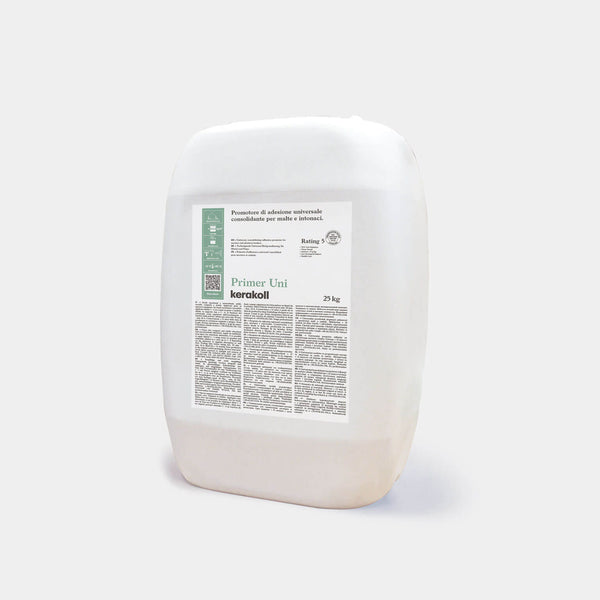
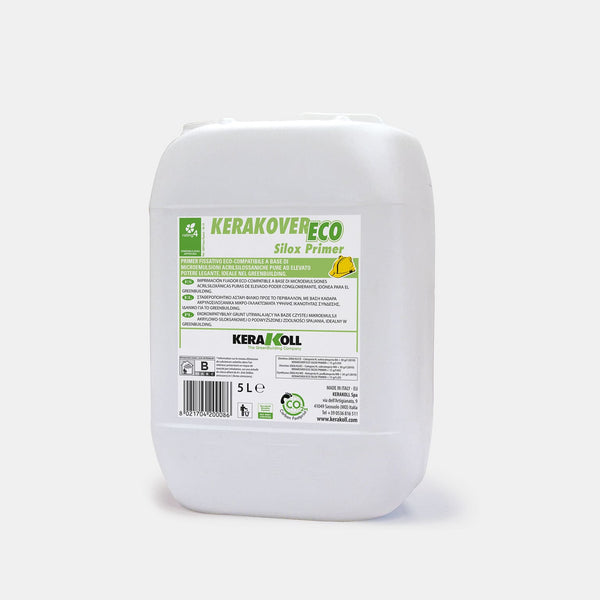
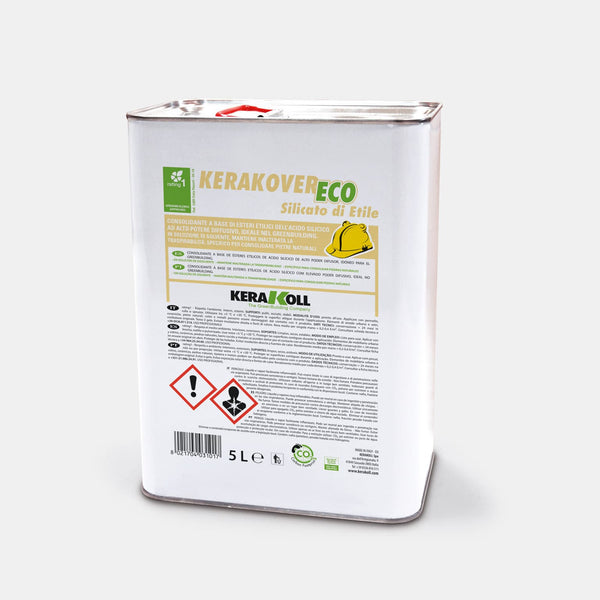
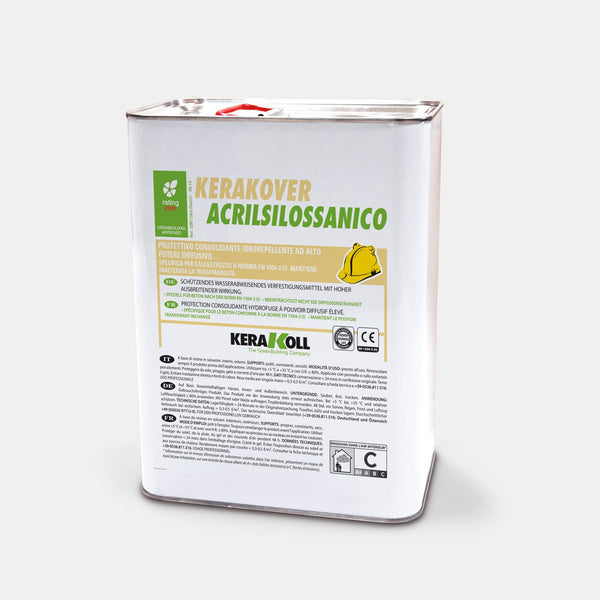
A weak substrate is the most expensive problem on a construction site — because it is not immediately visible. The adhesive, screed, or waterproofing layer rests on it, and at first glance, everything seems fine. The defect appears weeks or months later: tiles detach, the screed cracks, the waterproofing sags. Primer and surface hardener are the two materials that can prevent these issues.
On dusty substrates — concrete, plaster, aerated concrete — where the surface does not properly bond with the applied material, a surface hardener is needed. The surface hardener binds the loose, crumbling particles of the substrate and provides a stable base for the adhesive, screed, or waterproofing. Without it, the substrate’s cohesive layer fails first — not the adhesive.
On highly absorbent substrates — aerated concrete, old dry plaster, porous concrete — a primer that equalizes absorbency prevents the water in the adhesive or screed from being immediately absorbed into the substrate. If the substrate absorbs the water needed for curing, the material does not harden properly: it becomes fragile and cannot bear the load.
The two functions do not always coincide and should not be confused. A surface hardener is needed for dusty, crumbling surfaces. An absorbency equalizer is for highly absorbent but solid surfaces. If the substrate is both dusty and highly absorbent — which is not uncommon on old, neglected concrete and plaster — the product used should address both problems. Choosing incorrectly is worse than skipping priming altogether: it gives a false sense of security.
The drying time of the primer is critical. If the next layer is applied before the primer dries, the primer cannot do its job. At minimum, the manufacturer’s recommended drying time must be observed — this can vary between 1 and 24 hours depending on the substrate and temperature. In the case of aerated concrete, the highly absorbent substrate may completely absorb the first coat, requiring a second application.
Primer and surface hardener are used on indoor and outdoor concrete, plaster, aerated concrete, and screed substrates before tile adhesive, screed, self-leveling compounds, and brush-on waterproofing. In underfloor heating systems — where the screed operates at varying temperatures — pre-stabilizing the substrate is especially important.
The most common mistake is skipping the primer with the justification that "the substrate seems solid enough." Dusty and crumbling surfaces are not always visible to the naked eye — the scratch test is a simple check: if scratching the substrate with a fingernail leaves dust on the nail, a surface hardener is needed. Another typical mistake is the dilution ratio. On highly absorbent substrates, a more diluted solution is sufficient for the first coat, but without a second, more concentrated coat, the effect is lost.
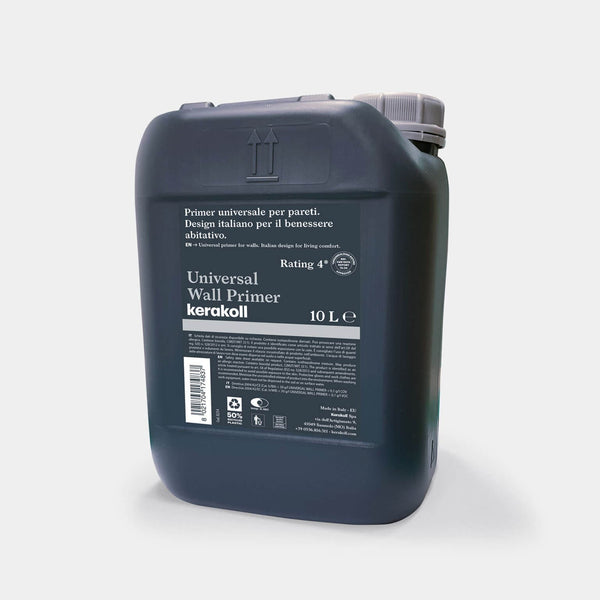
Browse our primers and surface hardeners, or request advice to select the product that best suits your substrate condition.
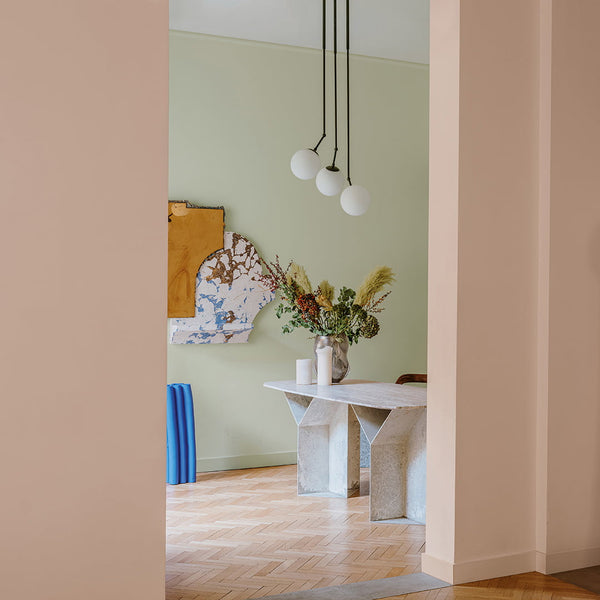
Kerakoll Color Collection is an integrated project featuring innovative materials—resin, cement, handcrafted wood, microcoatings, paints, and glazes—all coordinated within a single color palette.