Noble plaster is the visible finishing layer of the facade and interior wall. It is not just color — but texture, material character, and durability all at once. The right noble plaster protects and aesthetically maintains the facade for years; the wrong material or technique will crack, discolor, and peel within a few years.
Noble plaster is a pigmented, thin-layer finishing plaster applied over the base coat and smoothing plaster layer, or over the smoothing layer in ETICS systems. Its grain size and texture determine the surface appearance: fine grains create a smoother finish, coarser grains give a more pronounced texture.
Scratched plaster: The fresh plaster surface is patterned with a gear wheel or toothed tool — resulting in a distinctive, horizontal scratched texture. The most common finishing technique for ETICS.
Rubbed (circularly smoothed) plaster: Using a foam sponge float moved in circular motions, the plaster achieves a flaky, slightly rough surface. Suitable for traditional, Mediterranean, and contemporary facades alike.
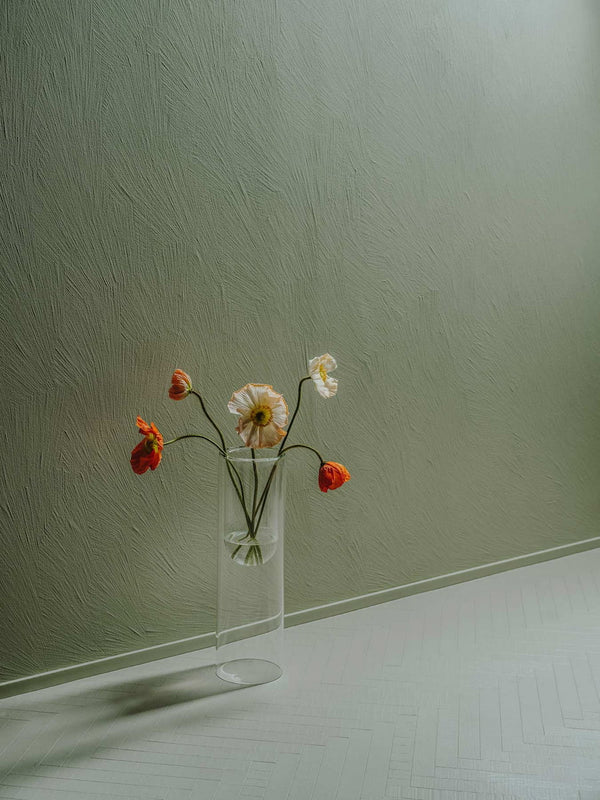
Textured plaster: Variants with larger grain size and stronger texture that define the character of the facade more boldly.
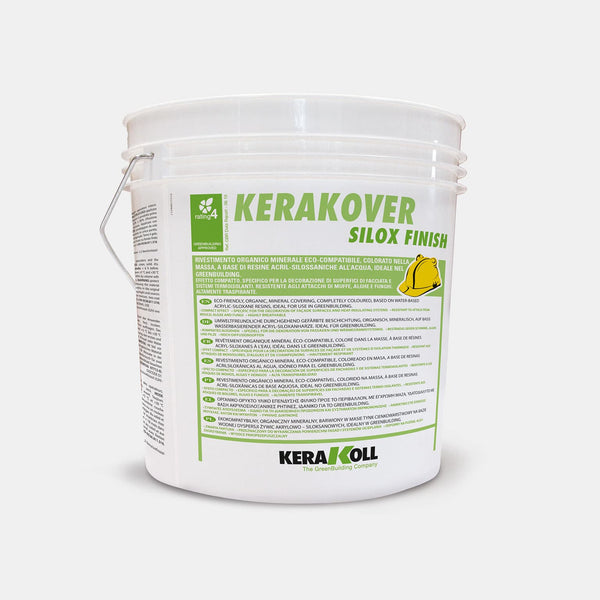
Siloxane-based noble plaster: Water-repellent, UV-stable, resistant to biological coating formation. Widely used for modern ETICS systems and renovated facades.
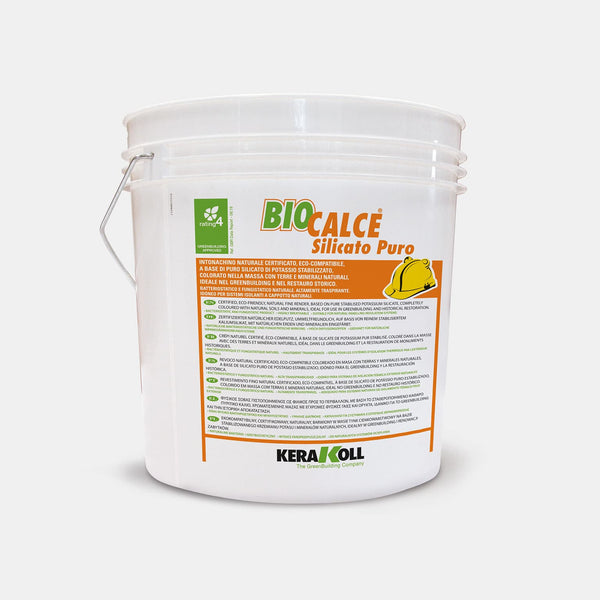
Silicate-based noble plaster: Chemically bonds to mineral substrates, offers maximum vapor permeability. Suitable for monument and historic buildings, adobe, and old brick masonry facades.
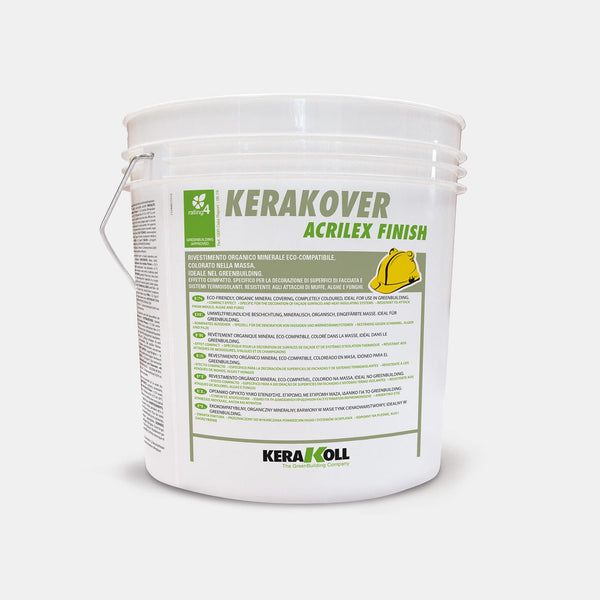
Acrylic-based noble plaster: Flexible, widely applicable, good mechanical resistance. Less prone to cracking than cement-based variants.
Browse our noble plaster selection or request advice to choose the plaster that suits your facade material, building character, and climatic requirements.
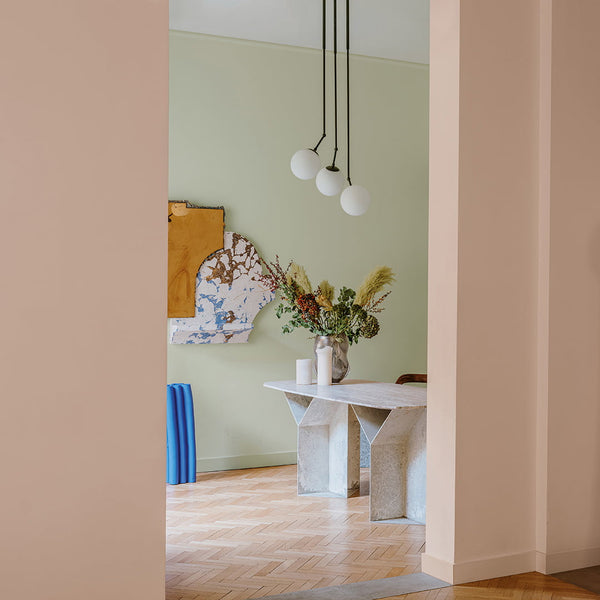
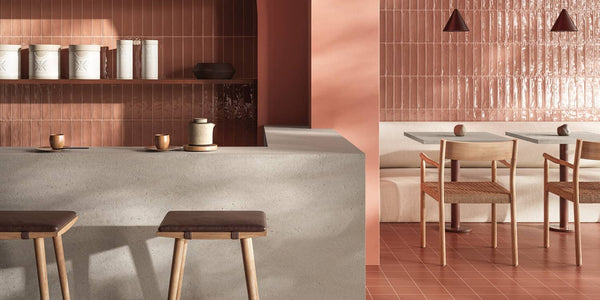
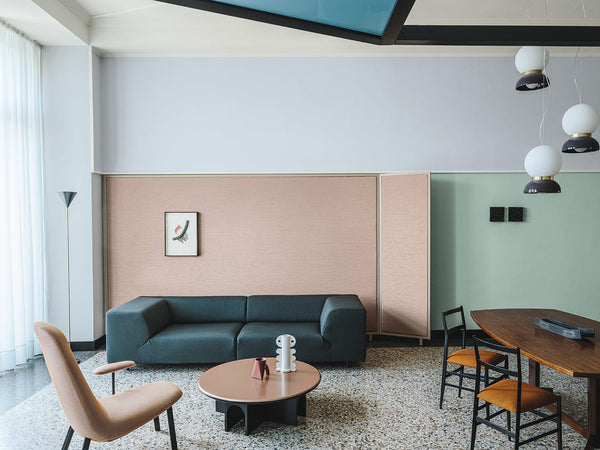
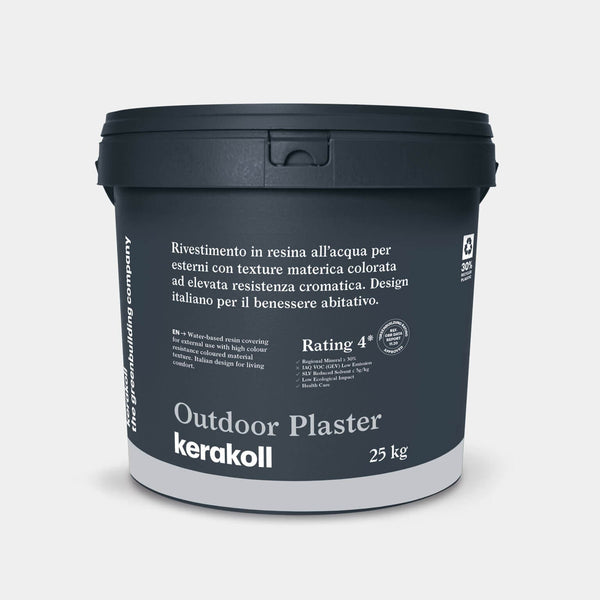
The Kerakoll Color Collection is an integrated project that includes innovative materials - resin, cement, handcrafted wood, microcoatings, paints, and glazes - coordinated on a single color palette.