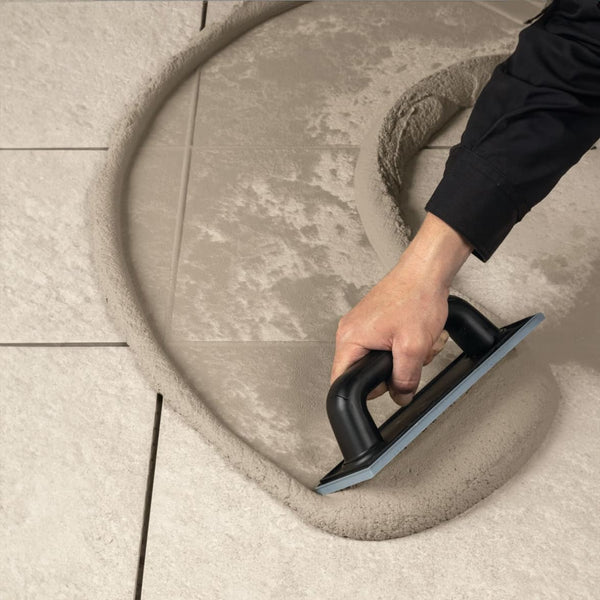
Grout is small but visible. Moldy, cracked, or discolored grout ruins the overall appearance of the entire tiling—and shortens the lifespan of the installation if water penetrates the structure through it. Choosing the right grout depends on the substrate, application, and environment.
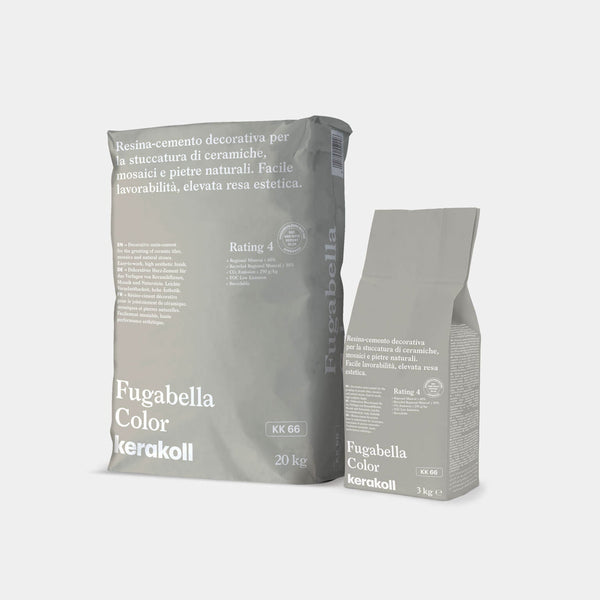
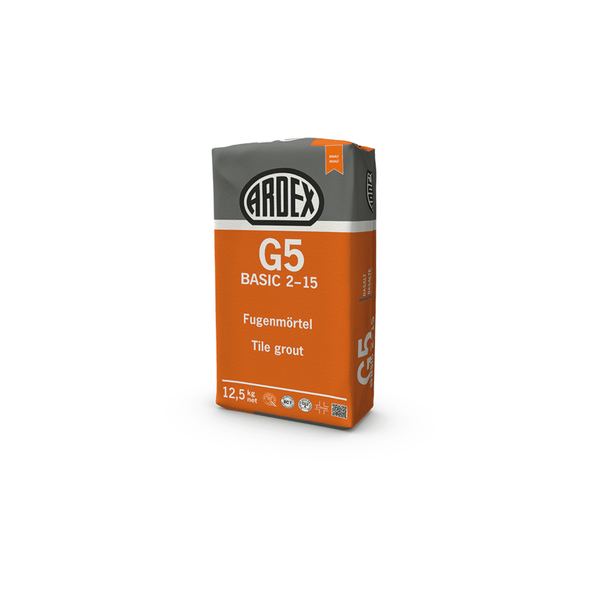
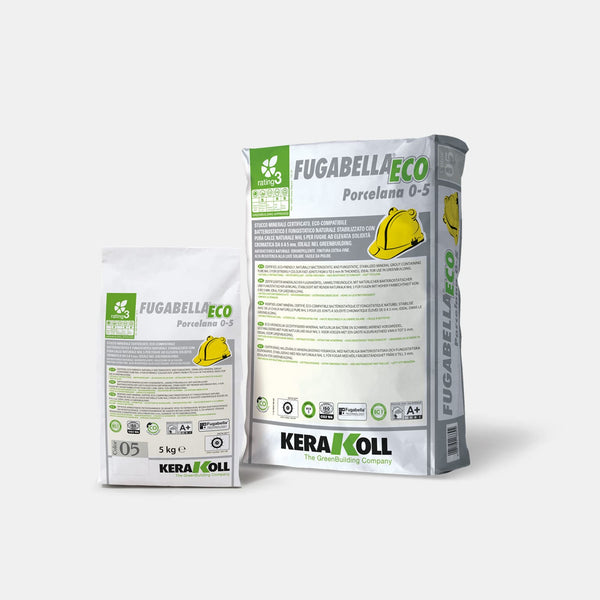
Cement-based grout is the most common solution for both indoor and outdoor tiling. It is easy to work with, available in mold-resistant formulas, and suitable for tiles, stone, and mosaics alike. From standard indoor wall coverings to outdoor terrace flooring, this is the starting point.
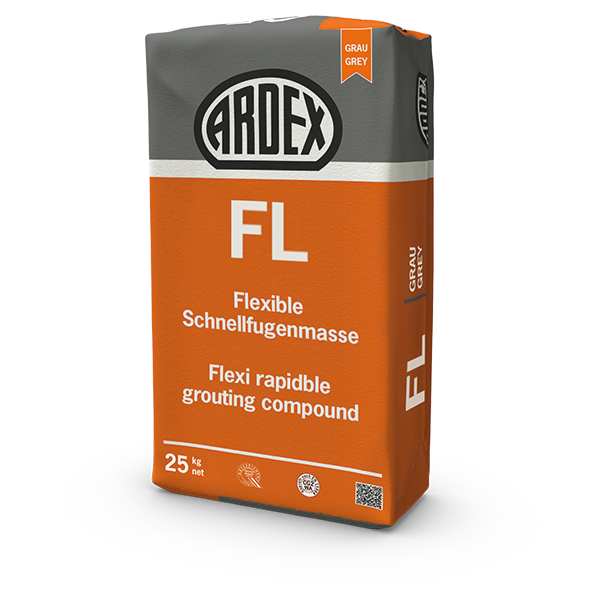
Hybrid grout provides a more flexible bond than purely cement-based versions. Over underfloor heating, on outdoor terraces, or with large-format tiles—where thermal movement or slight shifts are expected—the cement-based grout cracks sooner. The hybrid formula accommodates this movement without the grout opening up.
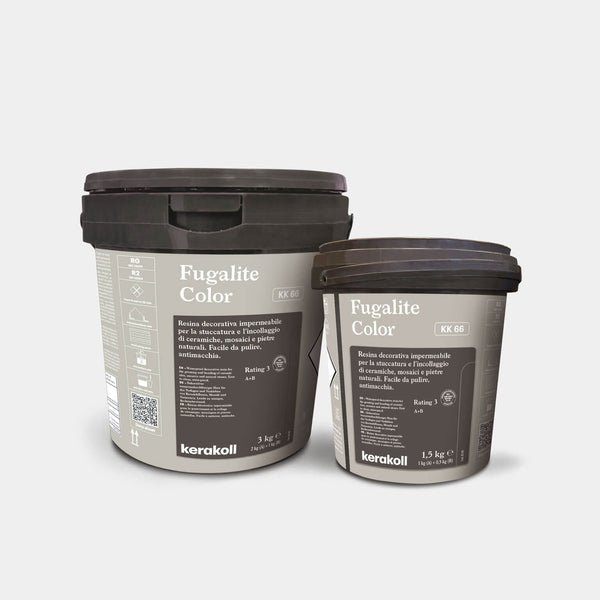
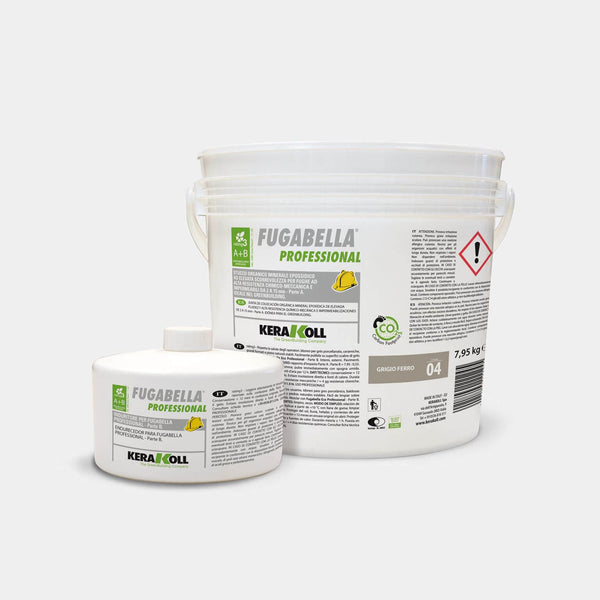
Epoxy grout is necessary in swimming pools, food industry, and wet industrial areas where the grout system must fully resist chemical effects and prolonged water exposure. Epoxy grout does not absorb water, does not mold, and its chemical resistance far exceeds that of cement- or hybrid-based versions. Where hygiene requirements are strictest, this is the only real solution.
For stone and mosaic, grout width and formula depend on the substrate type. For glass and ceramic mosaics, epoxy grout is the recommended solution: epoxy not only grouts but also bonds—due to the small tile size and mesh installation, this significantly improves adhesion. For natural stone mosaics, the stone’s porosity is decisive: epoxy can be used for dense, non-absorbent stone, while porous stones—marble, limestone, travertine—require a cement-based formula designed for stone.
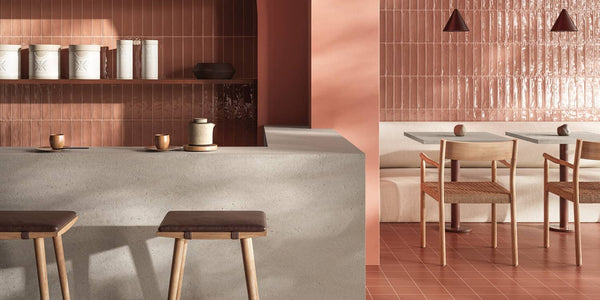
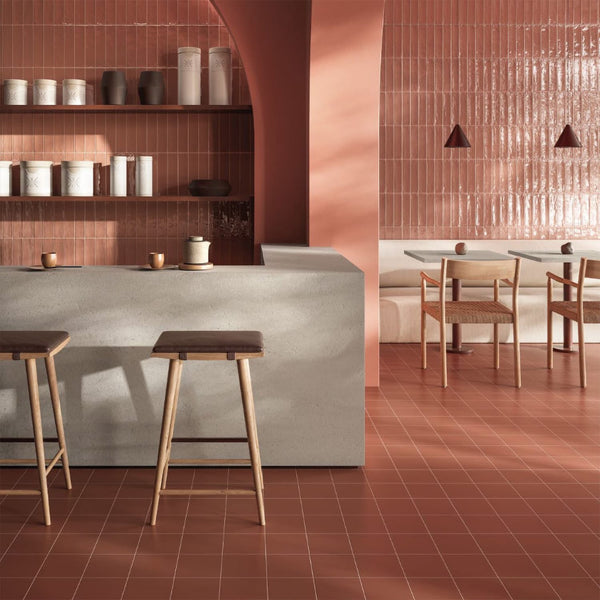
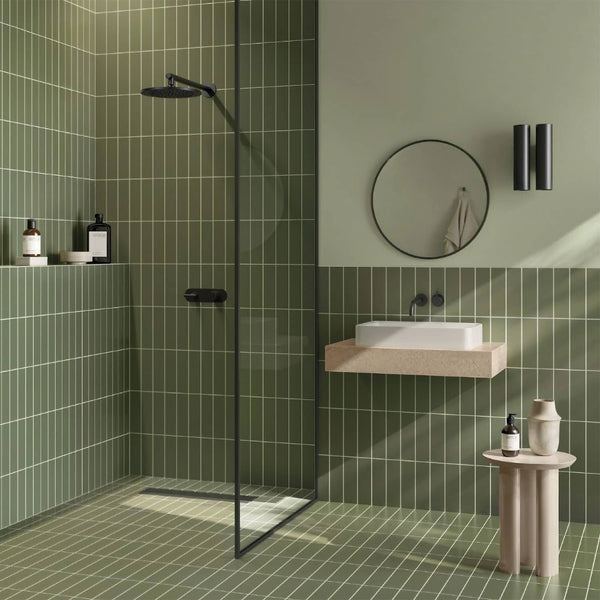
Grout color is a decisive factor in the overall effect. Available in 50 coordinated shades—an unusually wide selection. The color determines whether the tiling appears segmented or continuous: where the grout color differs from the tile, the grid is visible and structural; where it matches, the surface looks uniform. This is one of the most affordable ways to make a simple tile create a distinctive, designed interior—the grout color contributes more to the overall look than customers usually realize. The grout color can also continue onto the sealing silicone: where the grout and silicone come from the same system, the joints—corners, bathtub edges, floor-wall intersections—maintain a seamless appearance.
If you’re unsure which grout system suits your substrate and conditions, ask for advice—we will find the right solution.
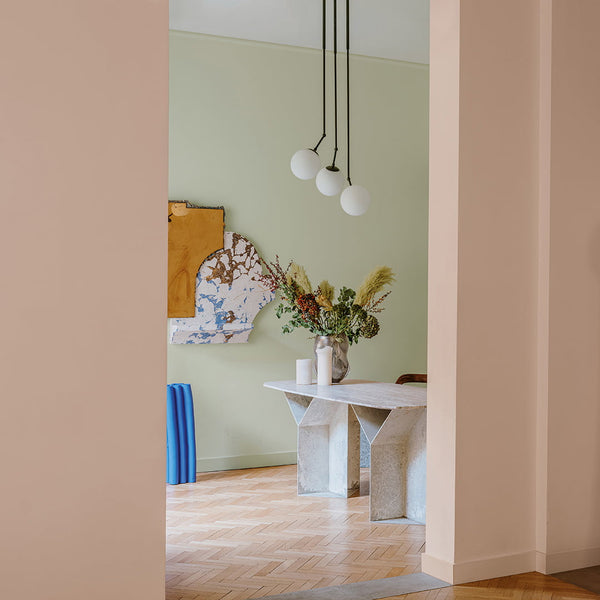
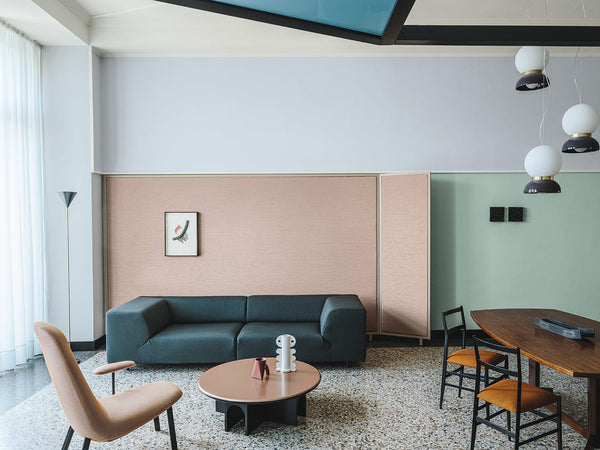
The Kerakoll Color Collection is an integrated project that includes innovative materials - resin, cement, handcrafted wood, microcoatings, paints, and glazes - coordinated on a single color palette.