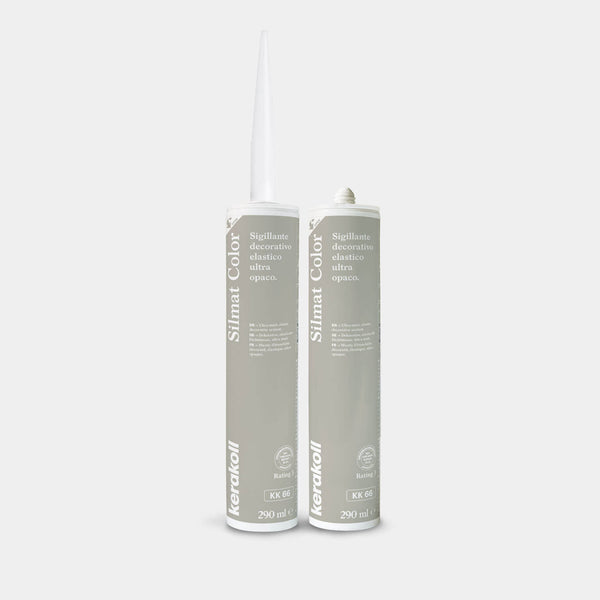
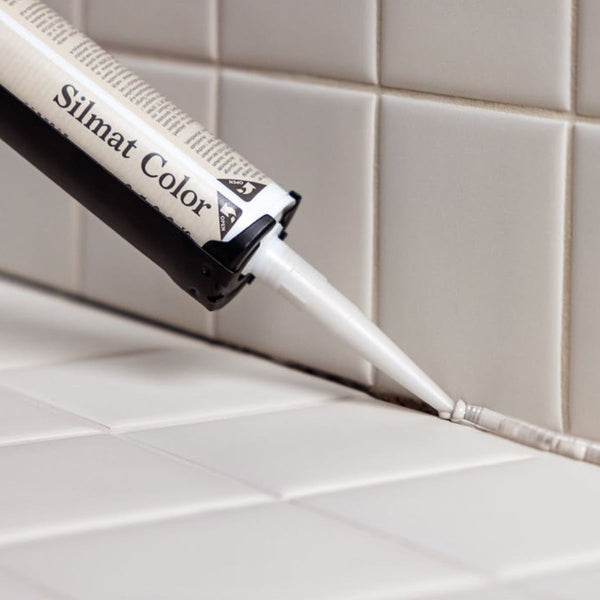
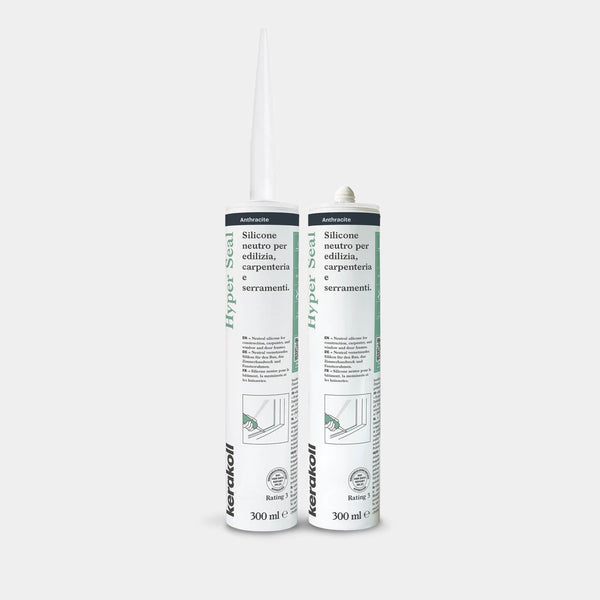
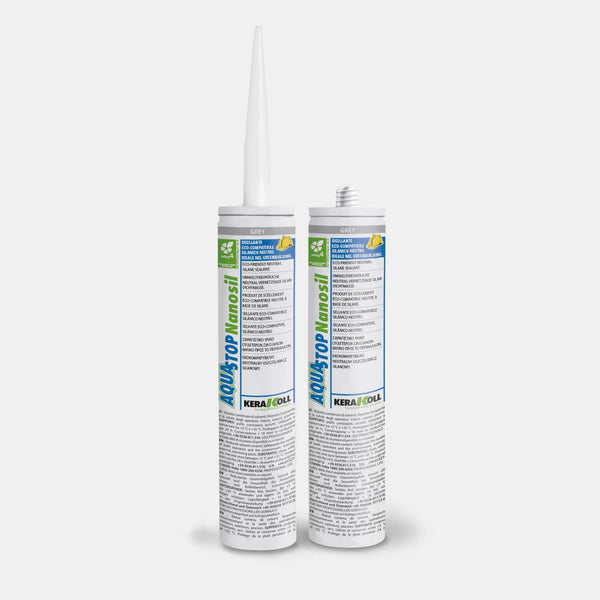
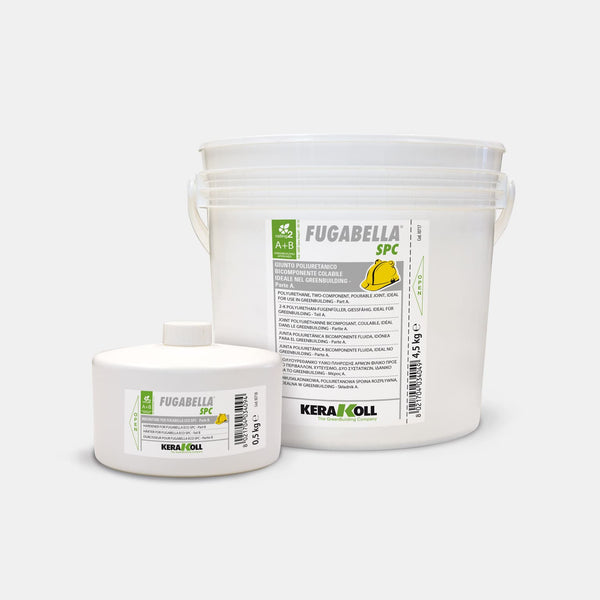
The sealant works where the covering or building structure moves, where different materials meet, and where water, vapor, or fire must not pass through. A faulty seal is visible within a short time — the structural damage behind it is not.
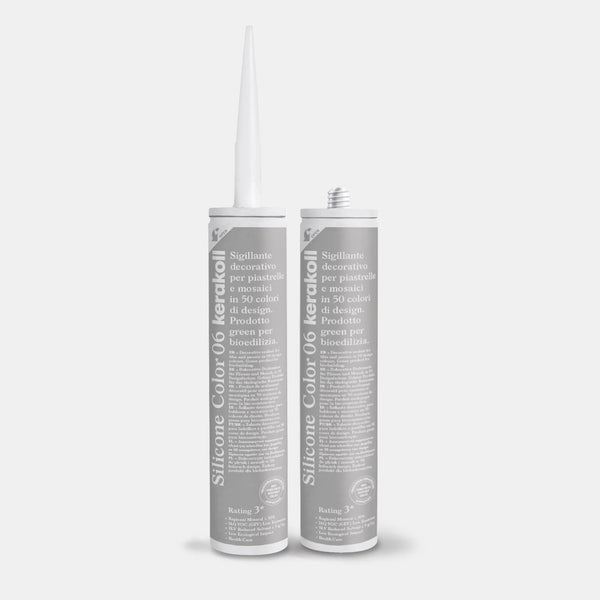
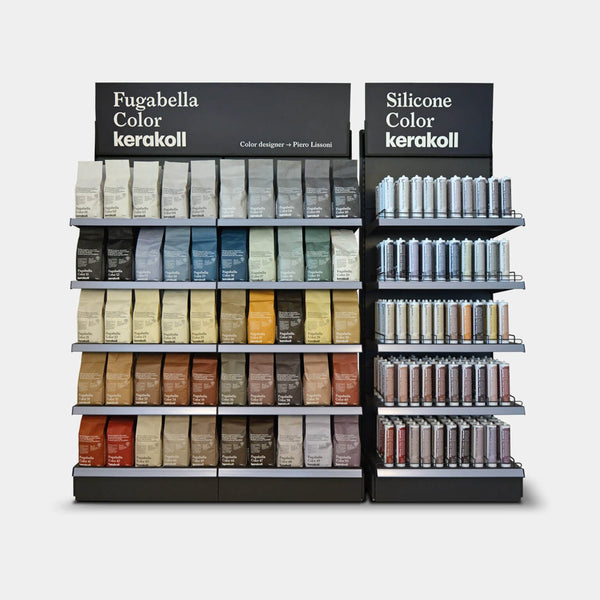
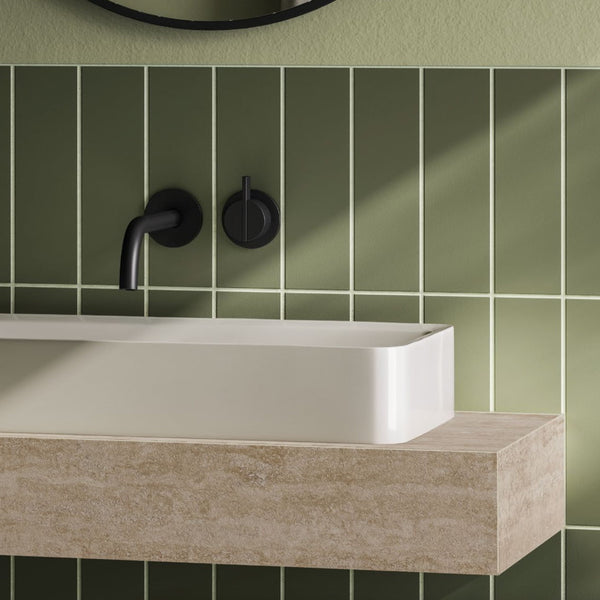
In bathrooms, kitchens, and wet areas, silicone sealant is the most common solution: where tile and sanitary fixtures, wall and floor meet, there is a movement joint. Mold-resistant sanitary silicone is mandatory in indoor wet areas — standard silicone molds quickly here. Acrylic sealant is needed at joints of painted walls indoors: it can be painted over after drying, where paint does not adhere to silicone sealant. Where the sealant color matches the grout, colored silicone sealant is also available from the same system.
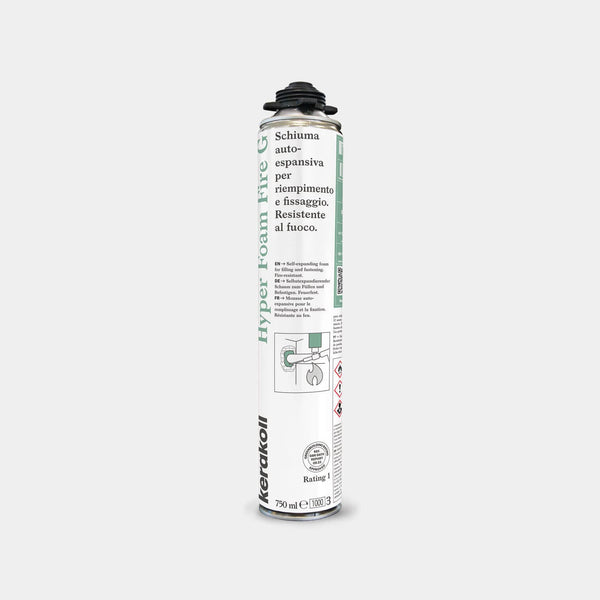
For window installation, pipe penetrations, and expansion joints, polyurethane foam provides quick, flexible filling. Fire-resistant polyurethane foam is required at fire-rated penetrations — where building codes do not allow combustible materials, and where the foam expands in case of fire to seal the opening. Window installation and general-purpose versions are made for different flexibility and thermal expansion requirements.
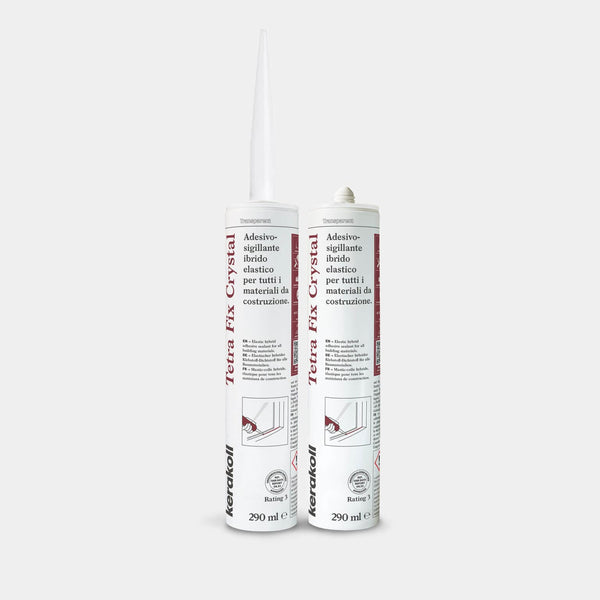
Where bonding and sealing are needed simultaneously — for frame fixing, joining different materials, moving joints — adhesive-sealant provides the solution. Its flexible bond accommodates different material expansions without the joint separating or cracking.
At pool edges, chemically exposed joints, and wet industrial environments, special sealant is required — where standard silicone’s chemical resistance is insufficient, and where long-term water resistance of the sealant is critical.
Damp basements, foundations, and structural joints exposed to water pressure require bituminous sealant. Silicone does not provide adequate water resistance in these places — the chemical composition and flexibility of the bituminous formula keep the bond intact even under water pressure.
Browse our sealants or request advice to assemble a sealing system suitable for your joint and application.
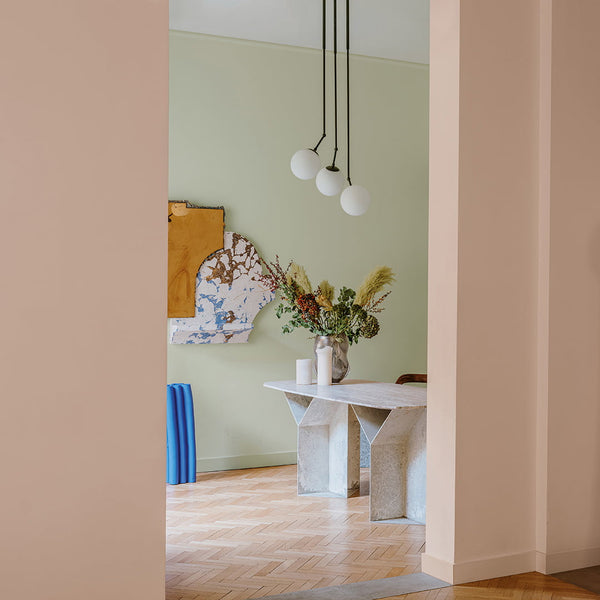
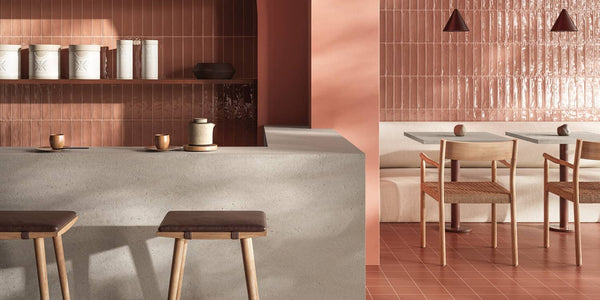
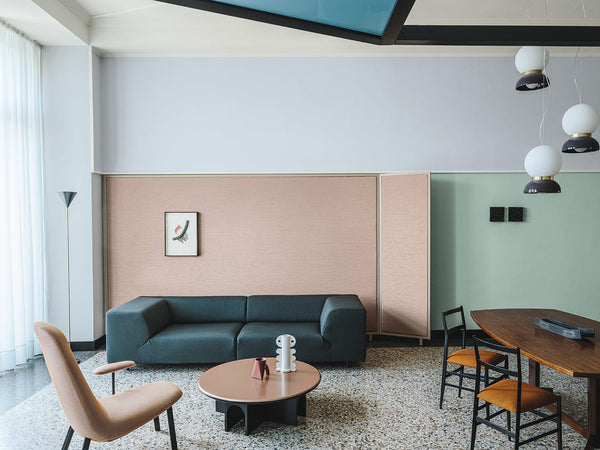
The Kerakoll Color Collection is an integrated project that includes innovative materials - resin, cement, handcrafted wood, microcoatings, paints, and glazes - coordinated on a single color palette.