Plaster is the breathable surface of a building—especially in old, solid masonry buildings where the wall absorbs and releases moisture through evaporation. When vapor-tight, cement-based plaster is applied to these walls, moisture gets trapped: the wall's humidity increases, salts deposit, and the plaster peels off. This happens not over decades, but within years.
The base plaster determines how the entire system behaves—this is the layer on which everything else is applied. On old brick, stone, and adobe masonry, a natural hydraulic lime (NHL) based base plaster is the materially correct choice: products with WTA certification and V1 breathability class, compatible with old masonry and preserving the building’s original physical behavior. Masonry mortar is needed for the stonework itself—at wall corners, around openings, bricklaying, and supplementary masonry.
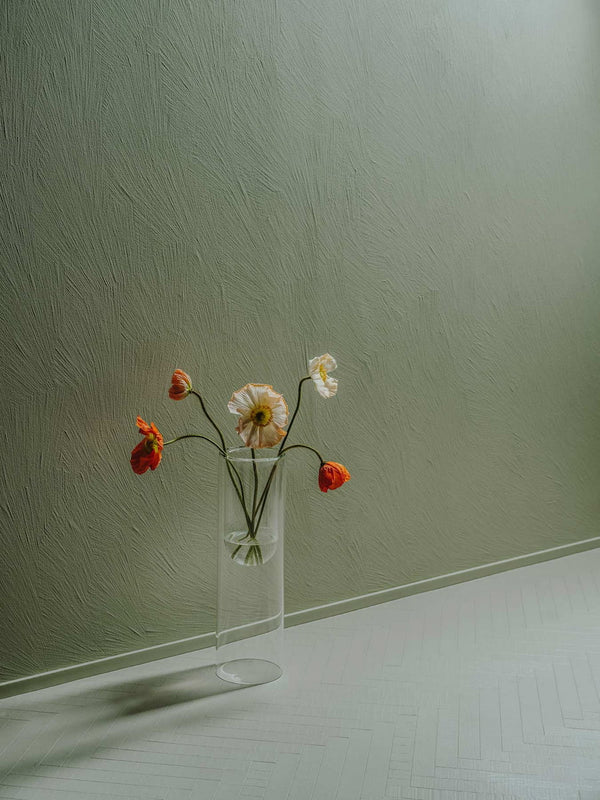
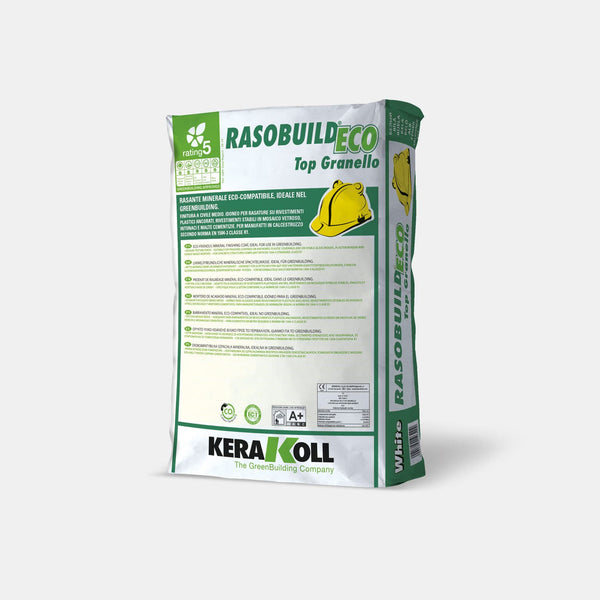
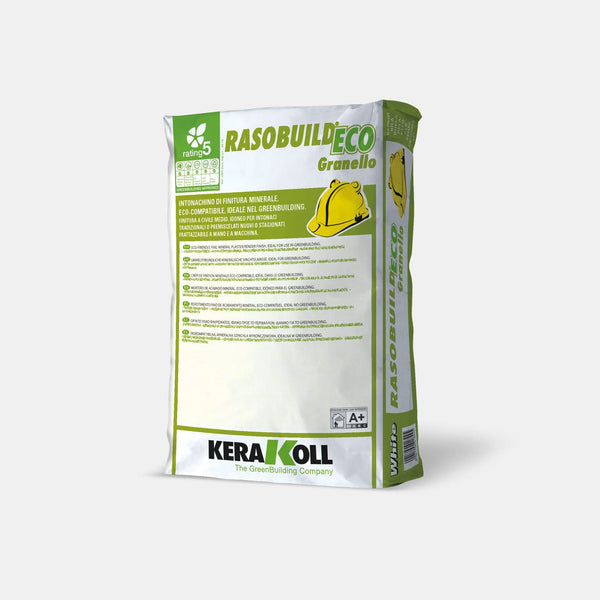
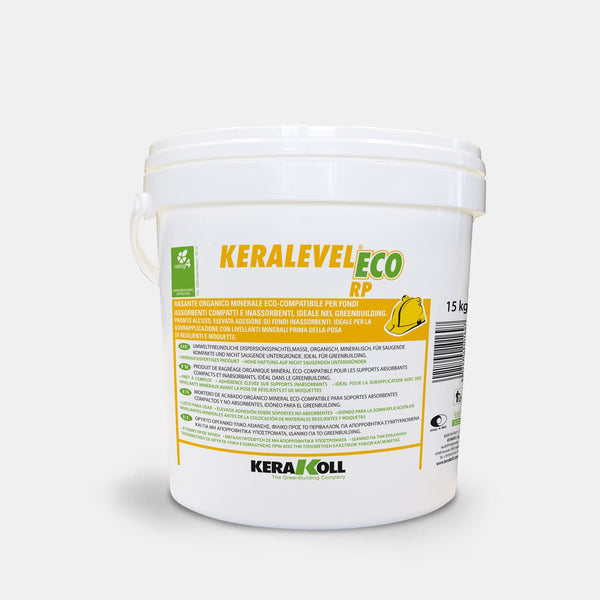
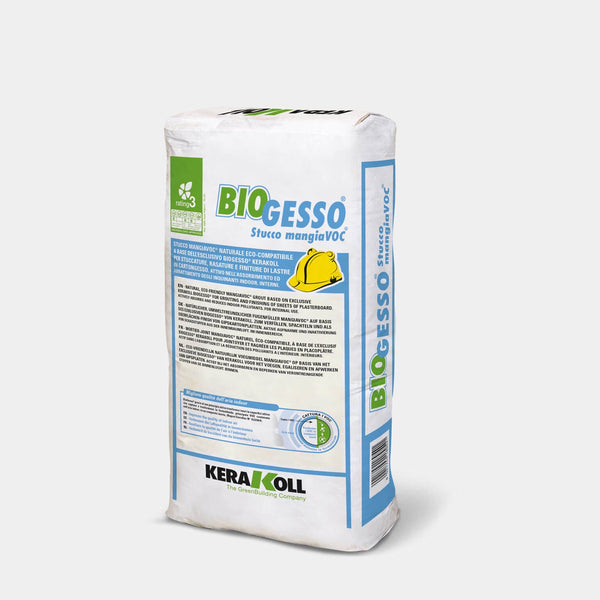
The layers following the base plaster vary according to needs. A finishing plaster is applied as a top layer over the rough plaster—providing a smooth, even surface before painting or tiling. Where an even finer surface is required—inside rooms, on dry walls, or for repairs—putty and fine finishing plaster create the final smooth plane. On facades and interiors where color and texture are also the plaster’s responsibility, tinted decorative plaster both protects and decorates: a finished surface with a single-layer application, no painting needed.
Browse our plaster selection or request advice on planning your material layering.
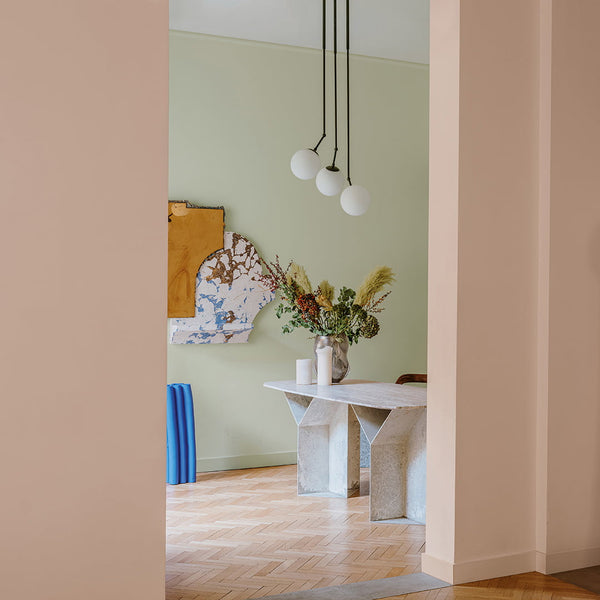
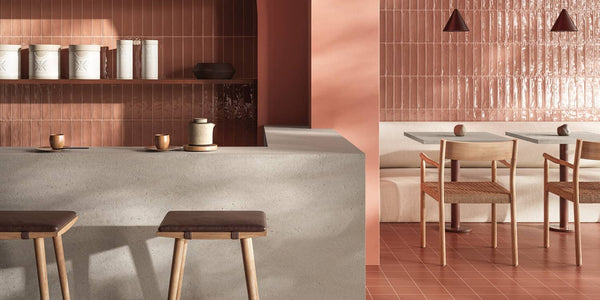
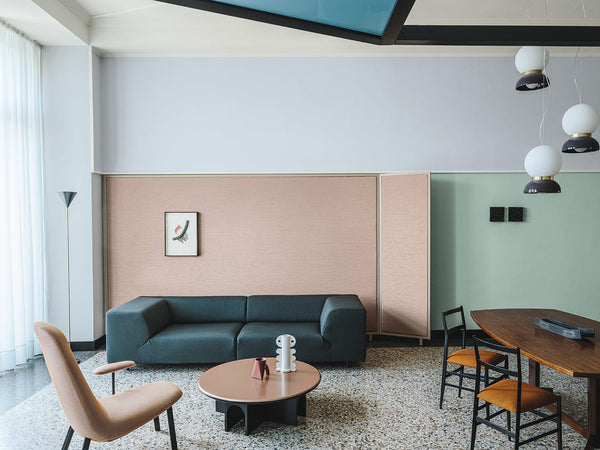
The Kerakoll Color Collection is an integrated project that includes innovative materials - resin, cement, handcrafted wood, microcoatings, paints, and glazes - coordinated on a single color palette.