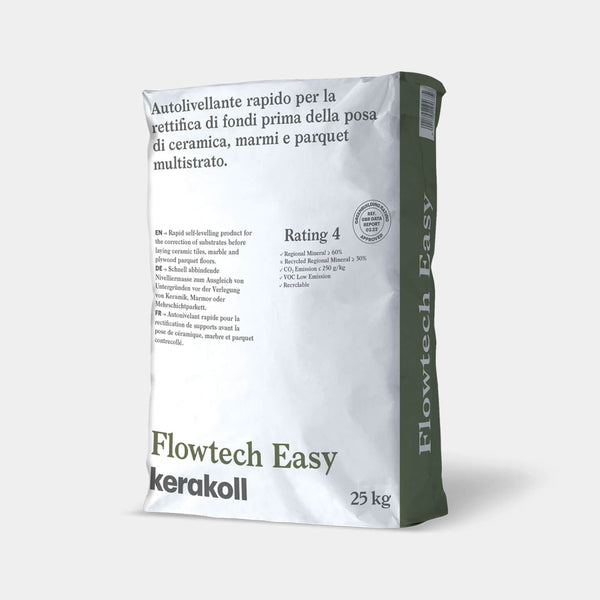
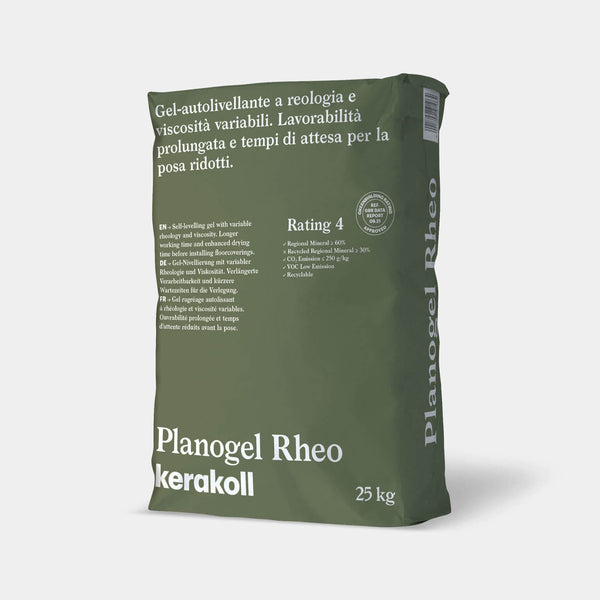
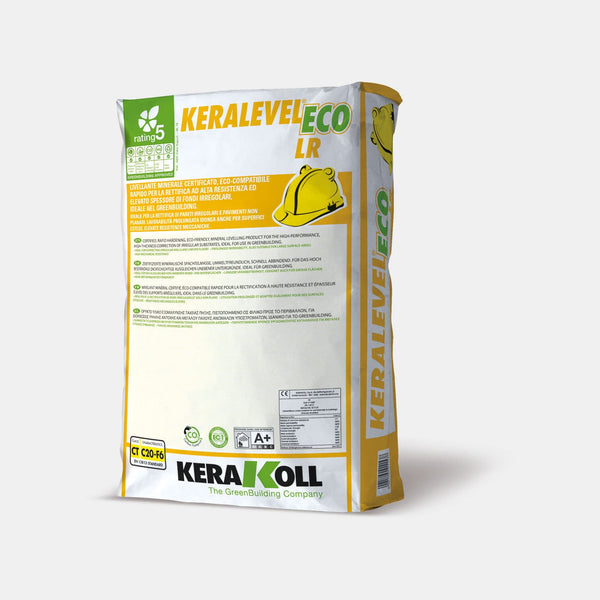
A poor substrate doesn't stay hidden for long. Tiles that start to sound hollow. Parquet that shifts at the joints. Flexible flooring that reveals every unevenness. The leveling compound creates a smooth surface — the screed forms the structural base layer underneath.
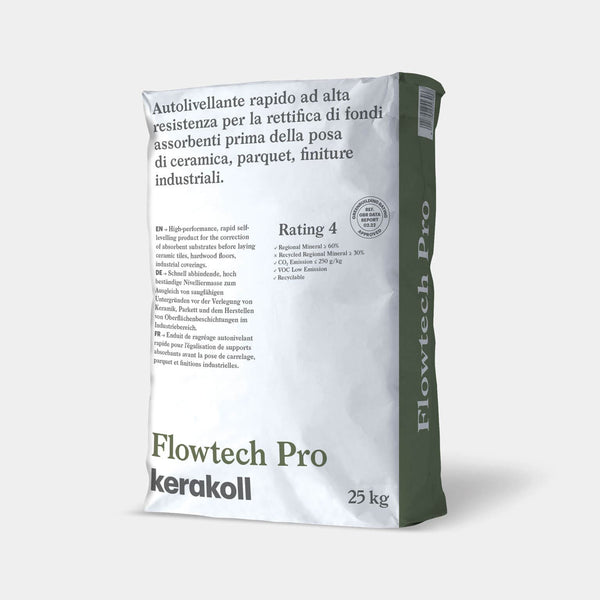
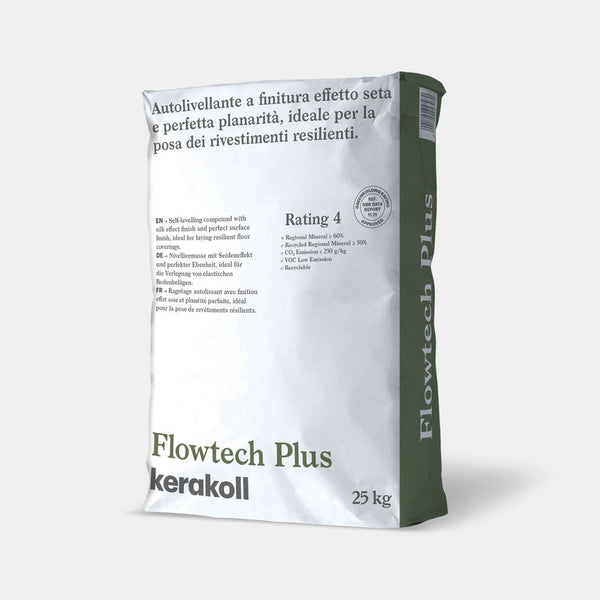
Self-leveling compound flows to its own level, can be applied with minimal tools, and is effective from just a few millimeters thickness. This is the most common solution before tiling, parquet, and flexible flooring, where the evenness of the substrate directly affects the lifespan of the covering. Self-leveling compound is especially suitable over underfloor heating: it conducts heat well in a thin layer and is compatible with both heating cables and pipes.
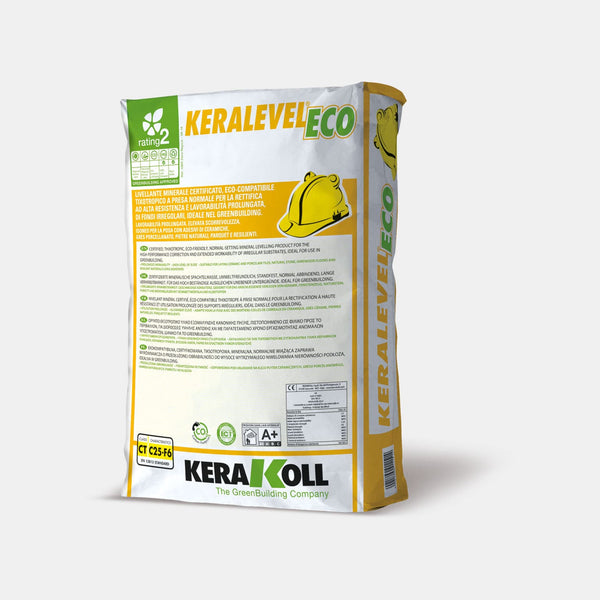
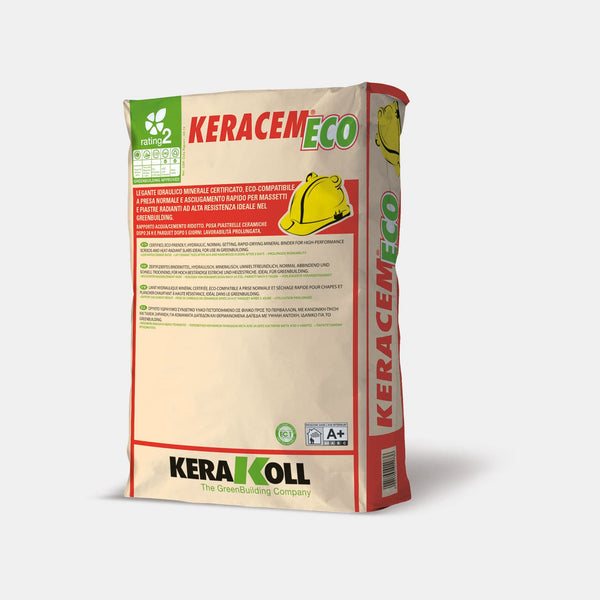
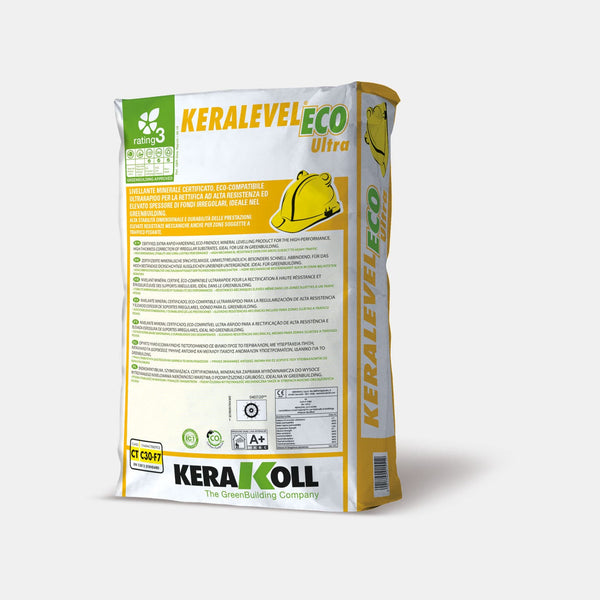
Where larger height differences need to be addressed, normal-setting leveling compound is used: it can be applied in thicker layers, is more economical, and is the right choice when there is no strict time pressure. For renovation projects and tight schedules, fast-setting leveling compound provides the solution — the substrate can be covered the next day.
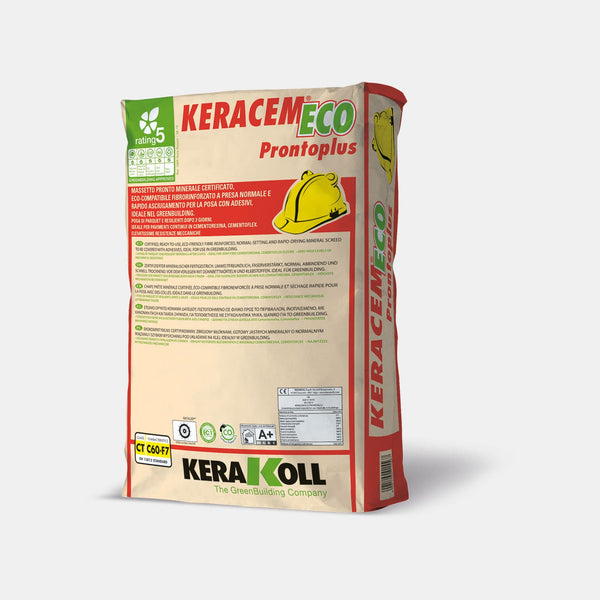
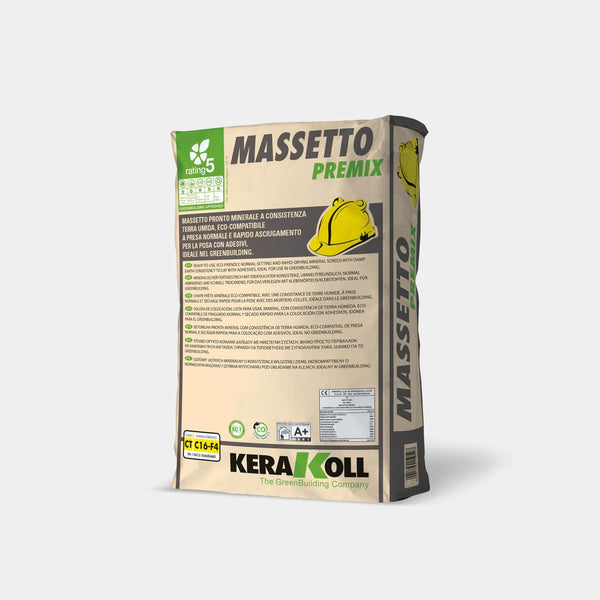
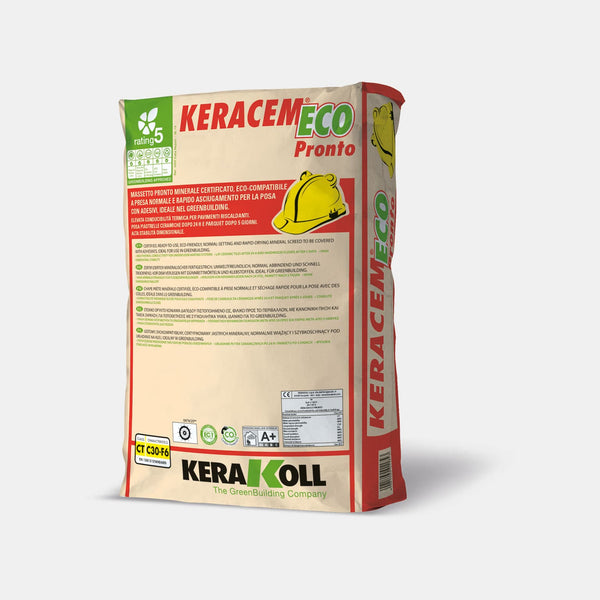
The screed is the base layer of the entire floor structure — it serves a load-bearing function, supporting furniture, foot traffic, and machinery loads without cracking. It can be installed using wet technology or dry screed systems, with or without underfloor heating. Where traditional wet screed cannot be used — renovations, sensitive structures, short drying times — the dry screed system offers an alternative.
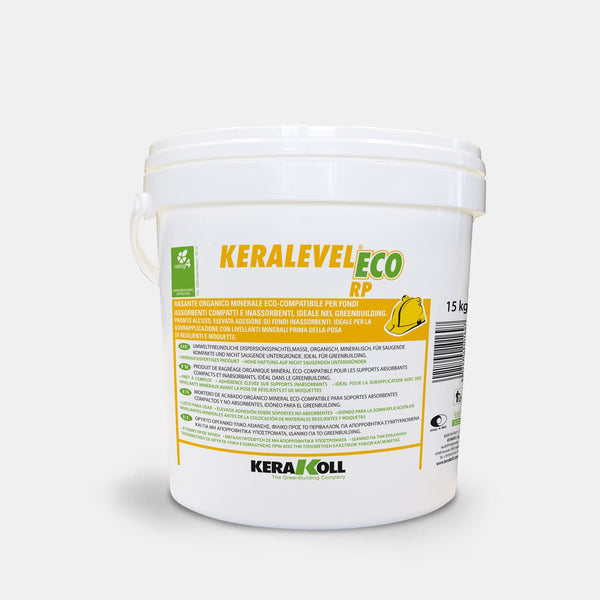
The type of leveling compound is determined by the substrate's load-bearing capacity, required layer thickness, drying time, and heating system together. Leveling compound cannot be applied on weakly bonded, dusty, or old substrates without priming — skipping substrate preparation is the most common reason for later movement of the leveling layer. Browse our leveling compounds and screeds, or request advice to assemble the right solution for your floor system.
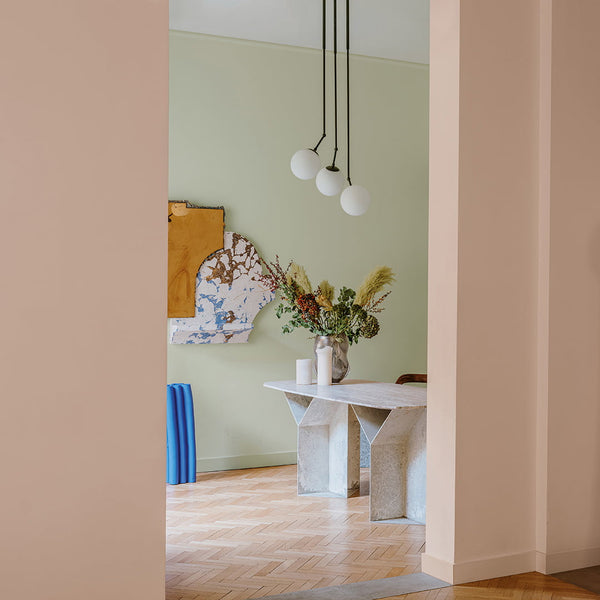
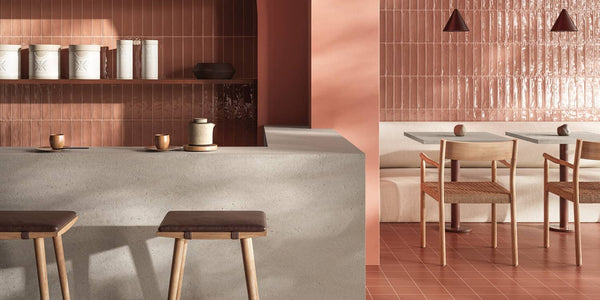
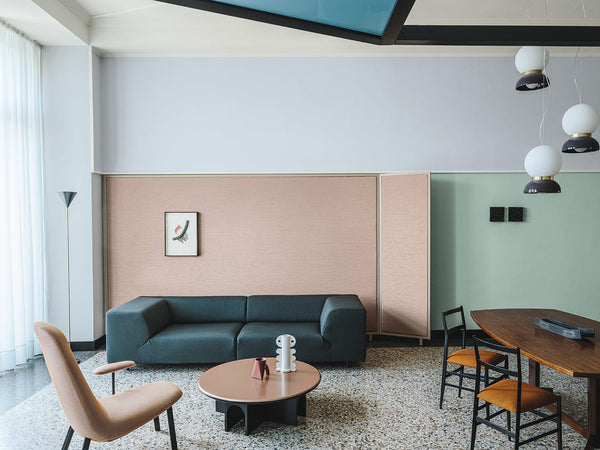
Kerakoll Color Collection is an integrated project featuring innovative materials—resin, cement, handcrafted wood, microcoatings, paints, and glazes—all coordinated within a single color palette.