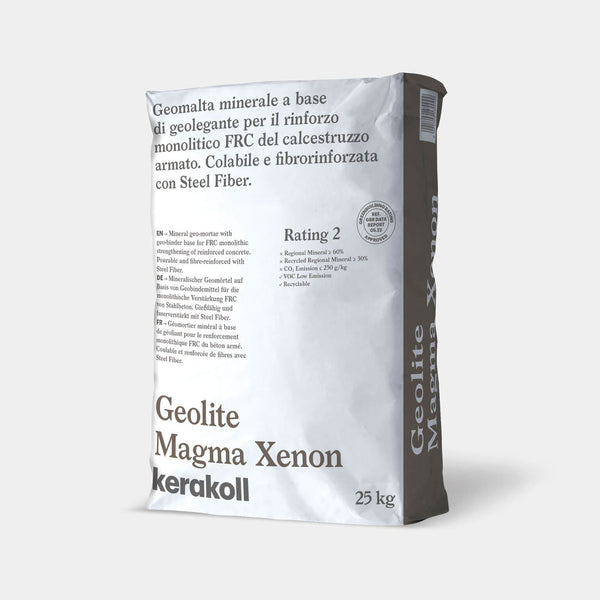
Concrete is not eternal. Carbonation, freeze-thaw cycles, chloride exposure, mechanical wear, and reinforcement corrosion pressure eventually cause even the most robust reinforced concrete structures to crack. Cracks, spalling, and rust stains on the surface are not just aesthetic issues—they are structural warnings. Concrete repair is what must be done before the extent of the damage multiplies.
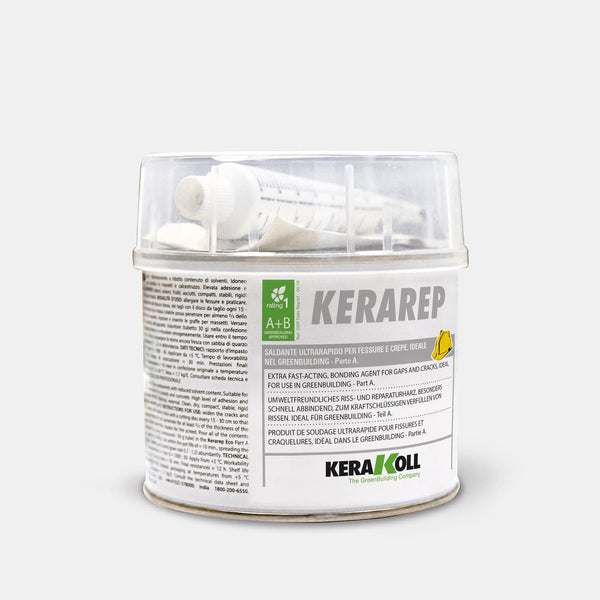
In the case of carbonation, the CO₂ content in the air gradually changes the chemical composition of the concrete, reducing its alkalinity. When carbonation reaches the reinforcement level, the steel loses the concrete’s natural protective environment and corrodes—the corrosion products cause internal pressure that cracks the concrete from within. In mechanical damage—impact loads, abrasion, frost damage—where the concrete surface has lost material, the cavity and spalling areas become potential moisture entry points. Cracks should be treated with injection or surface repair materials depending on their depth and width.
Concrete repair is classified according to the European standard EN 1504. The standard defines repair principles, performance classes of materials, and application conditions. According to EN 1504-3, repair mortars of classes R2–R4 are suitable for both structural and non-structural repairs—the class reflects the required mechanical performance.
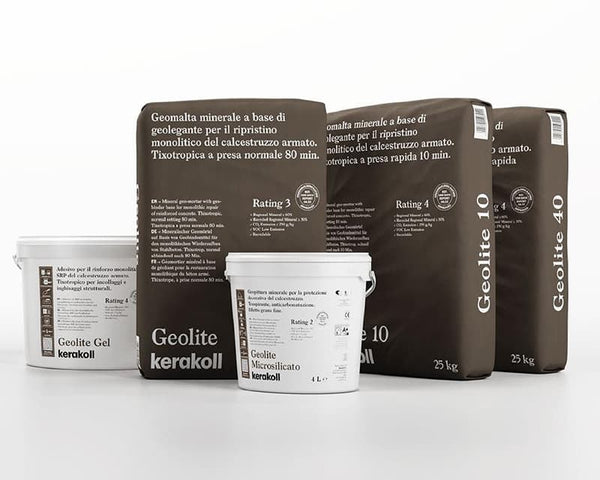
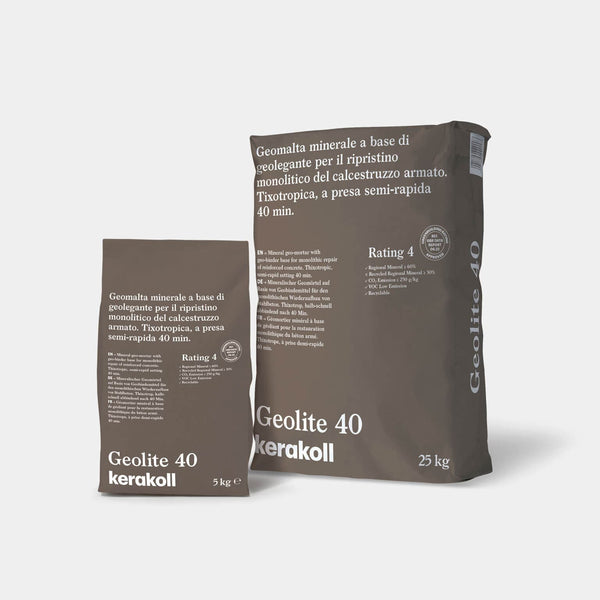
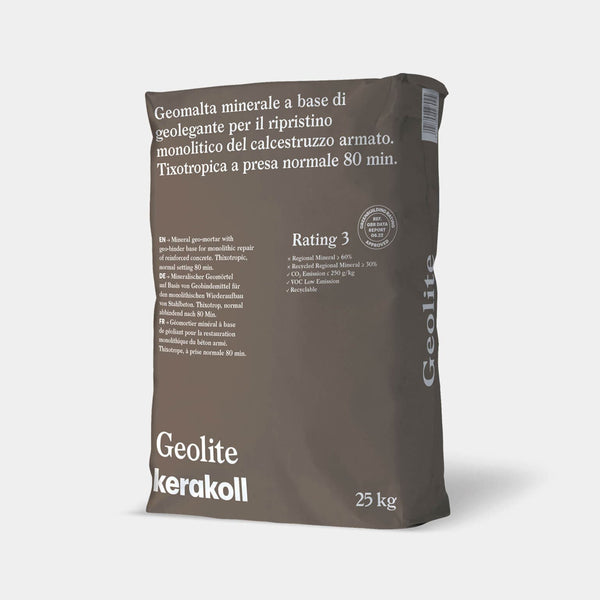
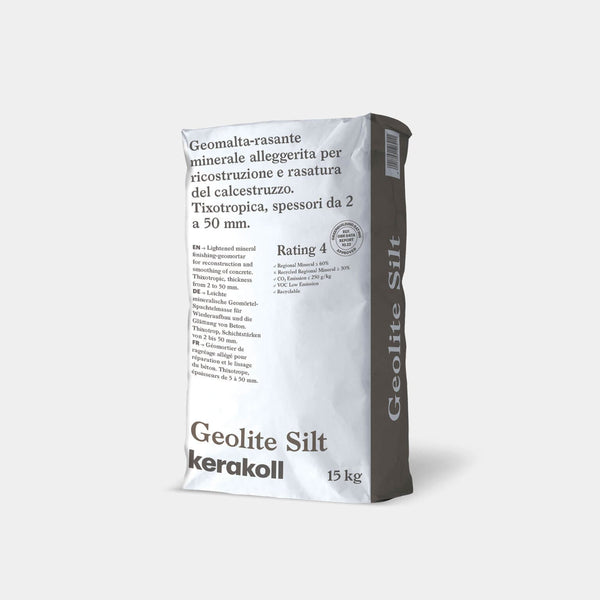
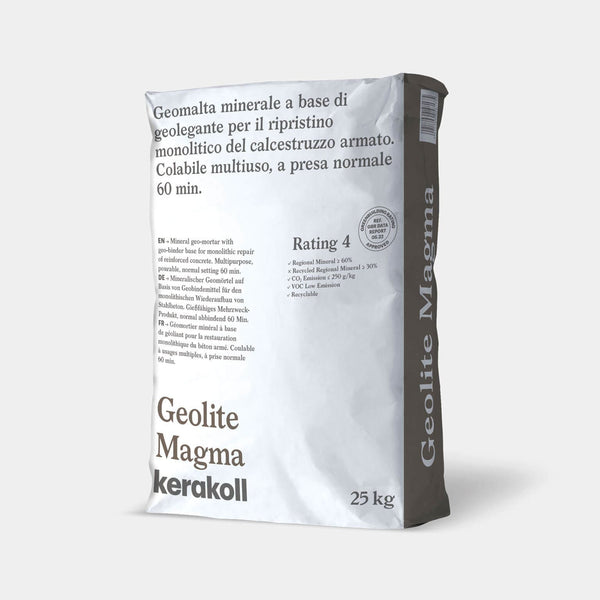
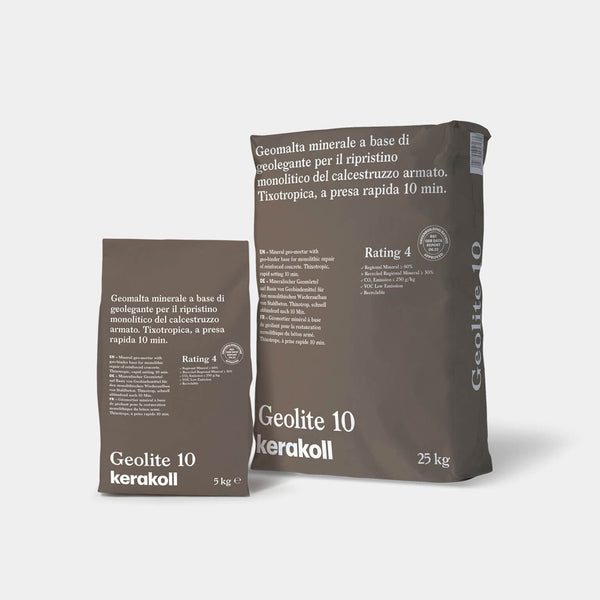
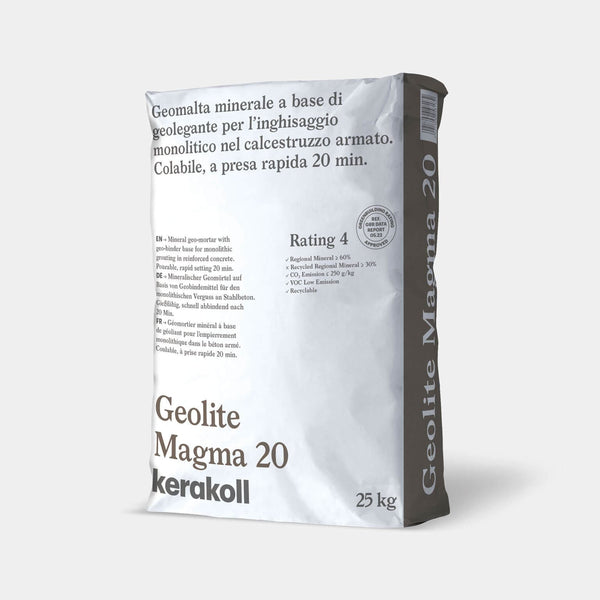
Repair mortars (R2–R4) applied manually or mechanically for filling small and large spalling or damaged zones. Fine surface repair materials for smoothing surface irregularities and small cracks in concrete. Fiber-reinforced repair mortars for high-stress and seismically active zones where enhanced crack resistance is required. Thixotropic repair mortars for vertical and overhead applications—such as bridges, underground garages, and tunnel interiors.
Browse our concrete repair materials or request advice for assessing the structure’s condition and assembling the appropriate repair system.
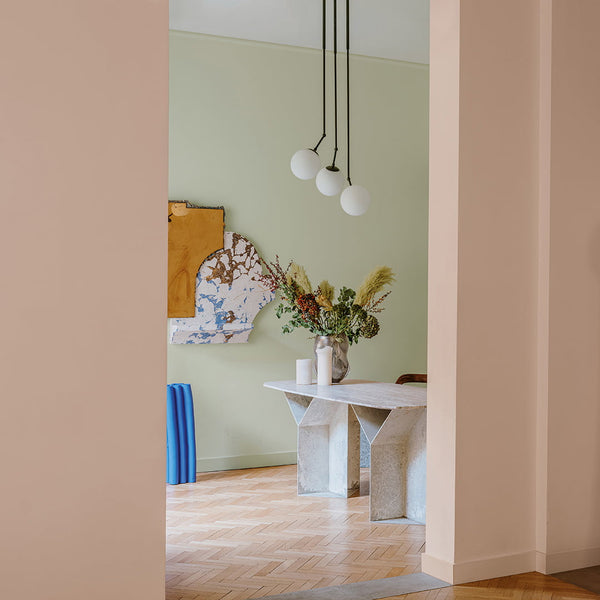
The Kerakoll Color Collection is an integrated project that includes innovative materials - resin, cement, handcrafted wood, microcoatings, paints, and glazes - coordinated on a single color palette.