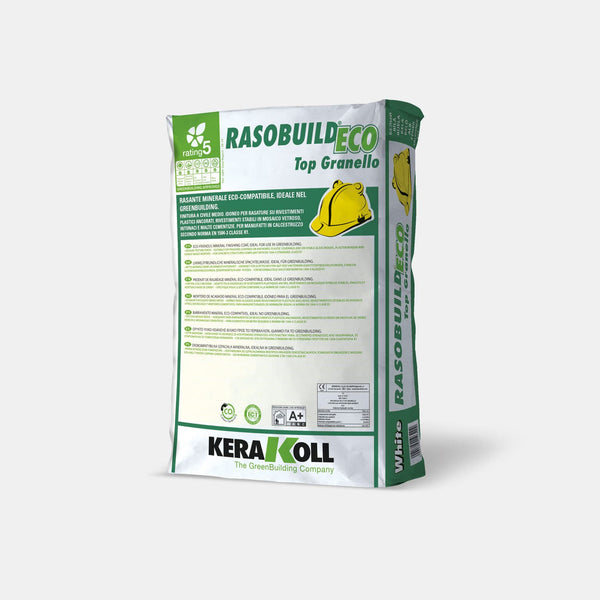
The smoothing plaster is the mandatory outer layer of the ETICS thermal insulation system and serves as the finishing layer over the base plaster indoors. It is thin on its own—typically 3–6 mm—but when combined with fiberglass mesh, it ensures the mechanical durability and crack resistance of the facade system.
Smoothing plaster is a cement-based, polymer-modified thin-layer plaster used to refine the uneven surface of the base plaster and to create the reinforcing layer of the ETICS system. The fiberglass mesh is embedded into the smoothing plaster: after applying the first layer, while still fresh, the mesh is pressed in, then covered by the second layer.
In the ETICS system, smoothing plaster is the mandatory intermediate layer between the insulation board and the decorative plaster:
The thickness of the smoothing plaster, the quality of the fiberglass mesh (g/m²), and the number of layers in the base zone and corners are part of the system certification—they cannot be freely modified.
Indoors, smoothing plaster refines the uneven surface of the base plaster before applying paint, wallpaper, or decorative coatings. The substrate should be noticeably smooth and free of hairline cracks—smoothing plaster ensures this quality.
After the smoothing plaster has fully dried, the decorative plaster, paint, or other finishing layer can be applied. Applying the next layer too early can cause the wet smoothing plaster and finishing layer to bond improperly, leading to cracks, bubbles, or detachment during drying.
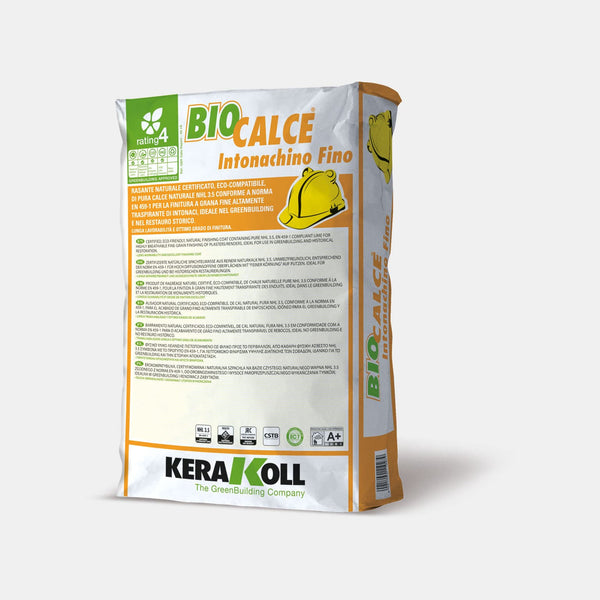
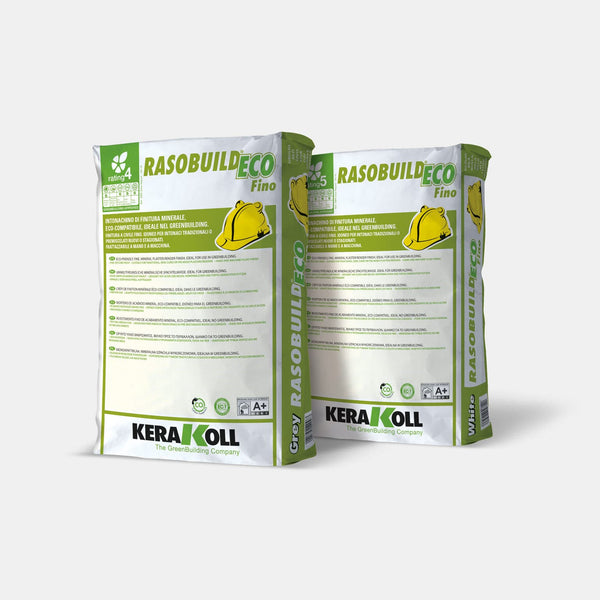
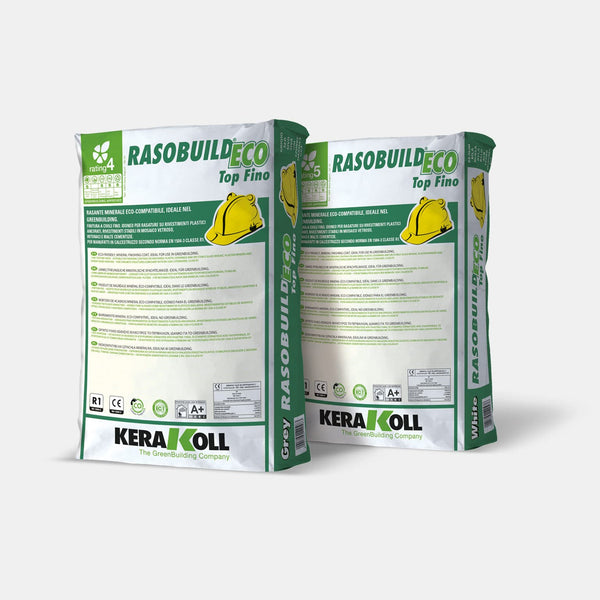
Browse our smoothing plaster products or request advice on assembling the ETICS system and facade layering.
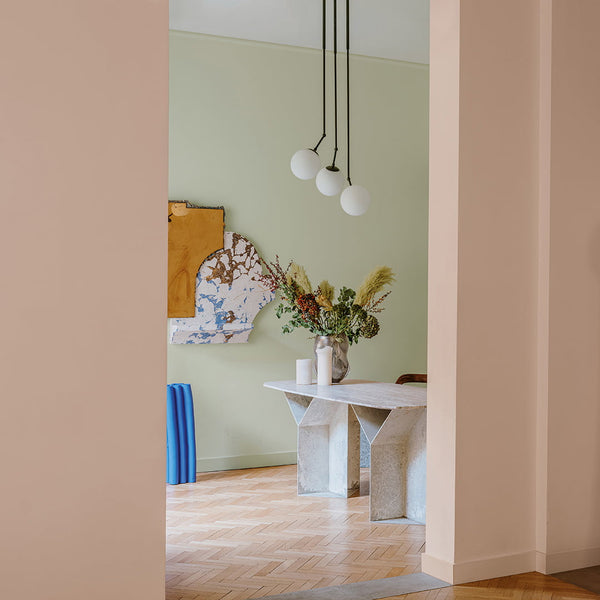
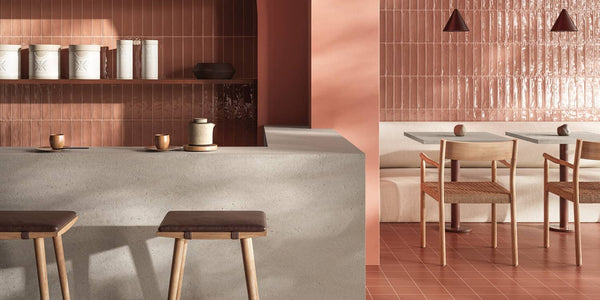
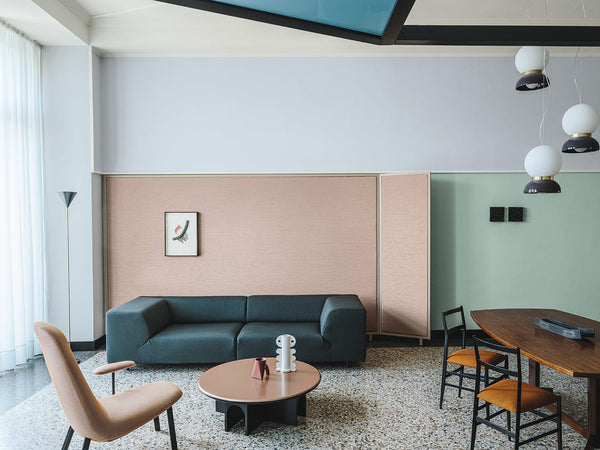
Kerakoll Color Collection is an integrated project featuring innovative materials—resin, cement, handcrafted wood, microcoatings, paints, and glazes—all coordinated within a single color palette.